
Miami as a Global Hub for Contemporary Boat Culture
How coastal identity, design, and lifestyle converge on water

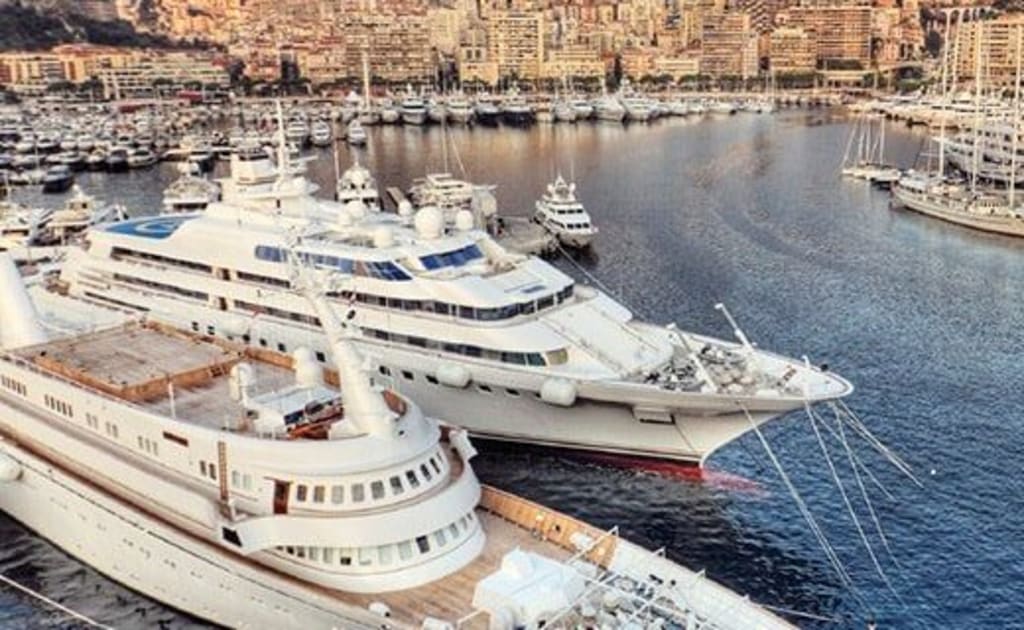
A city defined by its shoreline
In very few places does the boundary between city life and open water feel as fluid as it does in Miami. The skyline does not simply face the ocean; it interacts with it constantly. Movement across water is not an exception here but part of the visual and cultural rhythm of the city.
Over time, Miami has developed a distinct relationship with maritime life. Boats are not just present in the background—they are woven into how the city is experienced, seen, and understood. From quiet marinas to expansive waterfront neighborhoods, the presence of vessels shapes a sense of identity that is both local and globally recognized.
What has emerged is not merely a boating culture, but a broader contemporary expression of coastal living.
The geography that shapes behavior, not just scenery
Miami’s position at the edge of the Atlantic Ocean and its proximity to island chains naturally encourage movement across water. Yet geography alone does not explain the depth of its maritime culture.
The city’s layout encourages visibility of the water at nearly every scale. Residential areas, commercial districts, and leisure spaces all remain in close dialogue with the coastline. This constant presence creates familiarity, and over time, familiarity becomes cultural structure.
Unlike cities where the water remains distant or ceremonial, Miami integrates it into daily perception. Boats passing through canals or docked along residential edges are not unusual events—they are part of the visual continuity of the city.
This repetition of maritime presence slowly shapes lifestyle expectations. The water becomes less of a destination and more of an extension of urban life.
Boats as part of urban identity rather than separation from it
In many global cities, boats exist as leisure objects or specialized assets. In Miami, they take on a more integrated role. They appear as part of residential scenery, social gatherings, and coastal movement patterns.
This creates a unique cultural dynamic where maritime life is not isolated from urban life. Instead, both exist in parallel and often overlap.
What makes this dynamic particularly interesting is how normalized it becomes. The presence of boats does not signal departure from the city but rather a continuation of it in another dimension.
This blending of urban and maritime identity contributes to Miami’s global image as a place where water is not a border, but a medium.
The evolution of coastal aesthetics
Beyond geography and lifestyle, Miami’s boat culture is closely connected to visual identity. Design plays a central role in how maritime presence is perceived.
Over the years, boats have shifted from purely functional objects to highly considered aesthetic forms. Their silhouettes, materials, and interiors increasingly reflect broader design movements found in architecture and contemporary interiors.
This evolution mirrors changes in how people relate to space in general. Comfort, openness, and visual harmony have become central considerations not only in homes and buildings but also in environments on water.
As a result, the visual language of boats today aligns more closely with modern design thinking than with traditional marine utility.
The social dimension of waterfront visibility
One of the defining features of Miami’s maritime environment is its visibility. Water activity is not hidden or distant; it is constantly observable from public and semi-public spaces.
Marinas, canals, and waterfront walkways create environments where maritime life becomes part of everyday observation. This visibility influences how people perceive both the city and the idea of water-based living.
It also creates a subtle form of shared cultural awareness. Even without direct participation in maritime activity, the constant presence of boats shapes familiarity and perception.
Over time, this visibility contributes to a collective understanding of coastal identity that extends beyond individual experience.
Luxury as a cultural expression rather than a category
In Miami, discussions around maritime life often intersect with ideas of luxury. However, luxury here is less about classification and more about expression.
Rather than functioning as a separate category, it blends into the broader visual and social environment. The distinction between everyday coastal life and elevated maritime experience is often less rigid than in other cities.
This creates a cultural setting where luxury is not always defined by exclusivity alone, but also by exposure, design clarity, and spatial experience.
In this sense, maritime luxury becomes part of a larger conversation about how environments are shaped and experienced rather than simply owned or accessed.
Global influence and cultural exchange
Miami’s maritime culture does not exist in isolation. It is shaped by continuous exchange with international coastal regions, particularly across Europe, the Caribbean, and Latin America.
This exchange is visible in design influences, lifestyle patterns, and even social rhythms associated with waterfront living. The city acts as a meeting point where different maritime traditions intersect and evolve.
Because of this, Miami often reflects broader global trends in coastal culture while also contributing its own interpretations. It becomes both a receiver and a generator of maritime lifestyle ideas.
This dual role reinforces its position as a reference point in contemporary coastal identity.
The shifting meaning of movement on water
Movement across water has always carried symbolic meaning, but in Miami it also carries cultural familiarity. Boats are not only static visual objects; they represent mobility within an urban environment that extends beyond land.
This relationship between movement and place adds another layer to how the city is understood. Water routes become alternative pathways of connection, complementing traditional urban infrastructure.
As a result, mobility on water becomes part of how the city functions socially and visually, rather than existing outside it.
Conclusion: A city shaped by continuity with the sea
Miami’s relationship with maritime life is not defined by a single industry, trend, or cultural moment. It is the result of long-term interaction between geography, design, visibility, and lifestyle evolution.
What makes the city distinctive is not just the presence of boats, but the way they are integrated into everyday perception. They do not sit apart from urban life—they contribute to its structure, rhythm, and visual identity.
In this sense, Miami represents a broader shift in how coastal cities can be understood. The boundary between land and water becomes less defined, and cultural expression emerges from their overlap.
Rather than treating maritime life as separate or specialized, Miami reflects a world where it is part of the everyday language of the city itself.
About the Creator
Robert Lama
Robert Lama is a seasoned yacht broker with Miami International Yacht Sales, a reputable yacht brokerage company specializing in both used and new yachts. https://www.miamiinternationalyachtsales.com/
Enjoyed the story? Support the Creator.
Subscribe for free to receive all their stories in your feed.
Comments
There are no comments for this story
Be the first to respond and start the conversation.