
Life at the Bottom of Urban Economic Pyramids
Research suggests urban poor in developed countries like the US and Europe face significant economic and social challenges.
Economic Conditions
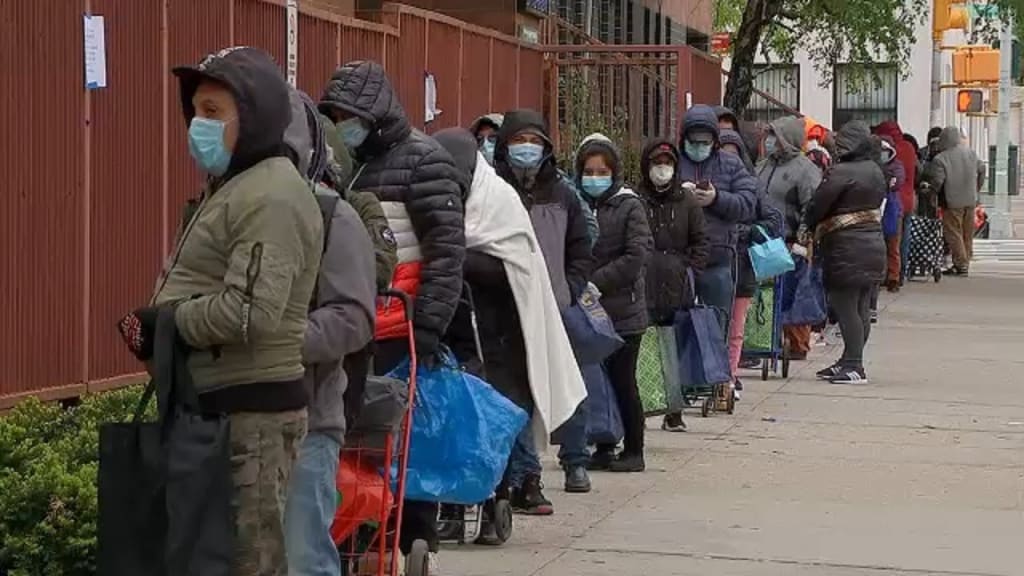
Urban poverty rates are notably high, with the US at around 17% in urban areas compared to a national average of 11.1%. In Europe, urban areas often show higher poverty risks than rural regions, with EU-28 cities at 24.3% risk of poverty or social exclusion in 2014. Suburban poverty is increasing in the US, adding complexity to service provision.
Housing Conditions
In the US, the urban poor often live in overcrowded, poorly maintained housing with issues like pest infestations and inadequate heating. In Europe, similar problems exist, with many facing high housing costs and overcrowding, particularly in Eastern EU countries, where over 50% of city dwellers in Romania and Bulgaria lived in overcrowded conditions in 2014.
Health, Education, and Social Services
Urban poor in both regions face health disparities, with higher rates of non-communicable diseases and limited healthcare access. Education for urban poor children is often underfunded, with US urban schools struggling with high dropout rates, and in Europe, low educational attainment is linked to poverty. Social services, while available, are often inadequate, with challenges in access and funding in both the US and Europe.
Community Life and Personal Stories
Community life for the urban poor is marked by social exclusion and high crime rates, with limited resources. Personal stories, like Desiree Metcalf’s in the US, illustrate the struggle with welfare navigation and employment barriers, while European documentaries like “Poor Europe” highlight similar issues across Italy, Portugal, and Ireland, emphasizing job insecurity and social exclusion.
Survey Note: Life at the Bottom of Urban Economic Pyramids in Developed Countries
This comprehensive survey note explores the multifaceted lives of the urban poor in developed countries, focusing on the United States and Europe, as of March 30, 2025. It covers economic conditions, housing, health, education, social services, community life, and personal narratives, providing a detailed analysis based on recent data and research.
Economic Conditions
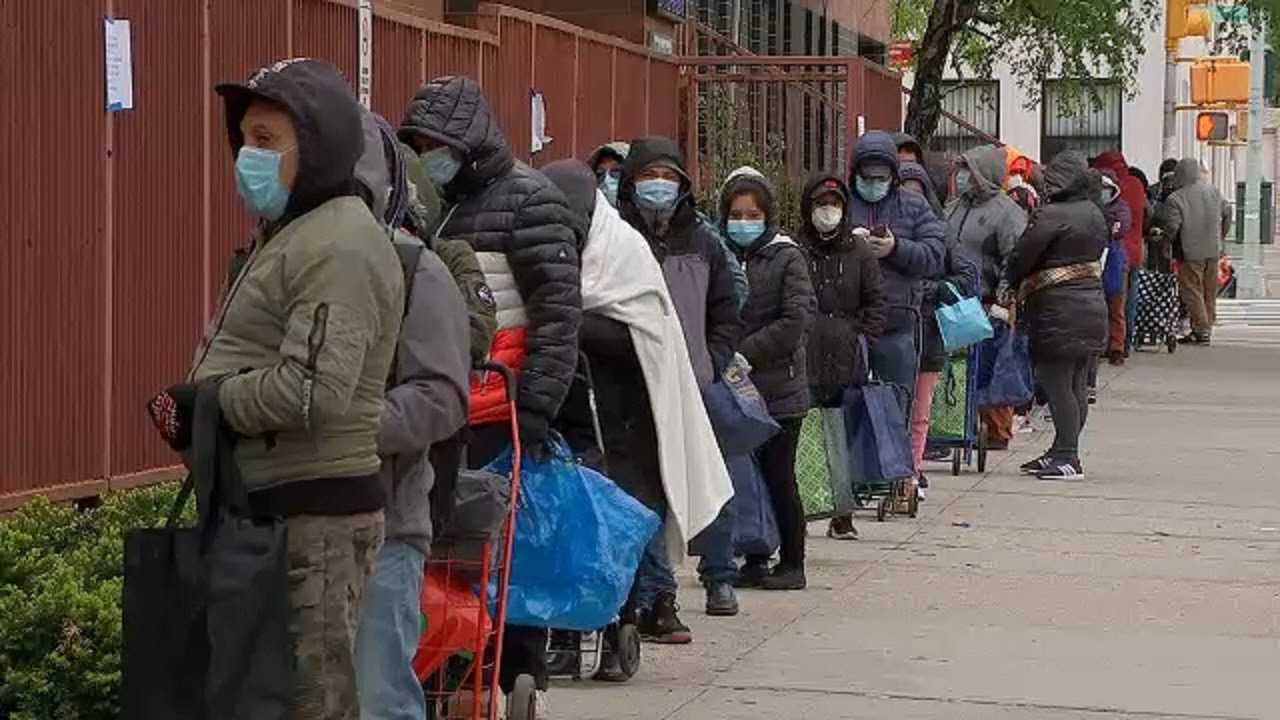
Life at the bottom of the economic ladder in cities across the US and Europe is tough—tougher than many realize. In the States, urban poverty hovers around 17%, a good bit higher than the national average of 11.1%, according to the latest Census numbers from 2023. That’s millions of people scraping by in places where the cost of living doesn’t let up. And it’s not just the big cities anymore — suburbs are seeing more of it too, with nearly 16.4 million folks classified as poor outside urban cores, compared to 13.4 million inside them, based on a 2013 report from the Center for American Progress. It’s a shift that’s making it harder for local governments to keep up with services.
Over in Europe, the picture’s a little different but no less grim. Urban areas often carry a higher risk of poverty or social exclusion — 24.3% of city dwellers in the EU-28 were teetering on that edge back in 2014, per Eurostat’s data. By 2023, that number had eased to 21.6%, but it’s still neck-and-neck with rural and suburban rates. The jobs are there, sure, but they’re often low-paying, unstable gigs that don’t cover the bills. Take the “working poor” in European cities — folks who punch a clock but still can’t make ends meet. After the financial crisis, their wages took a hit, and with living costs climbing, it’s a squeeze that doesn’t let up. In both places, you’re talking about families living below the poverty line — $13,123 for a family of four in the US counts as deep poverty — and it’s a hole that’s hard to climb out of when rent and groceries keep eating up what little you’ve got.
Housing Conditions
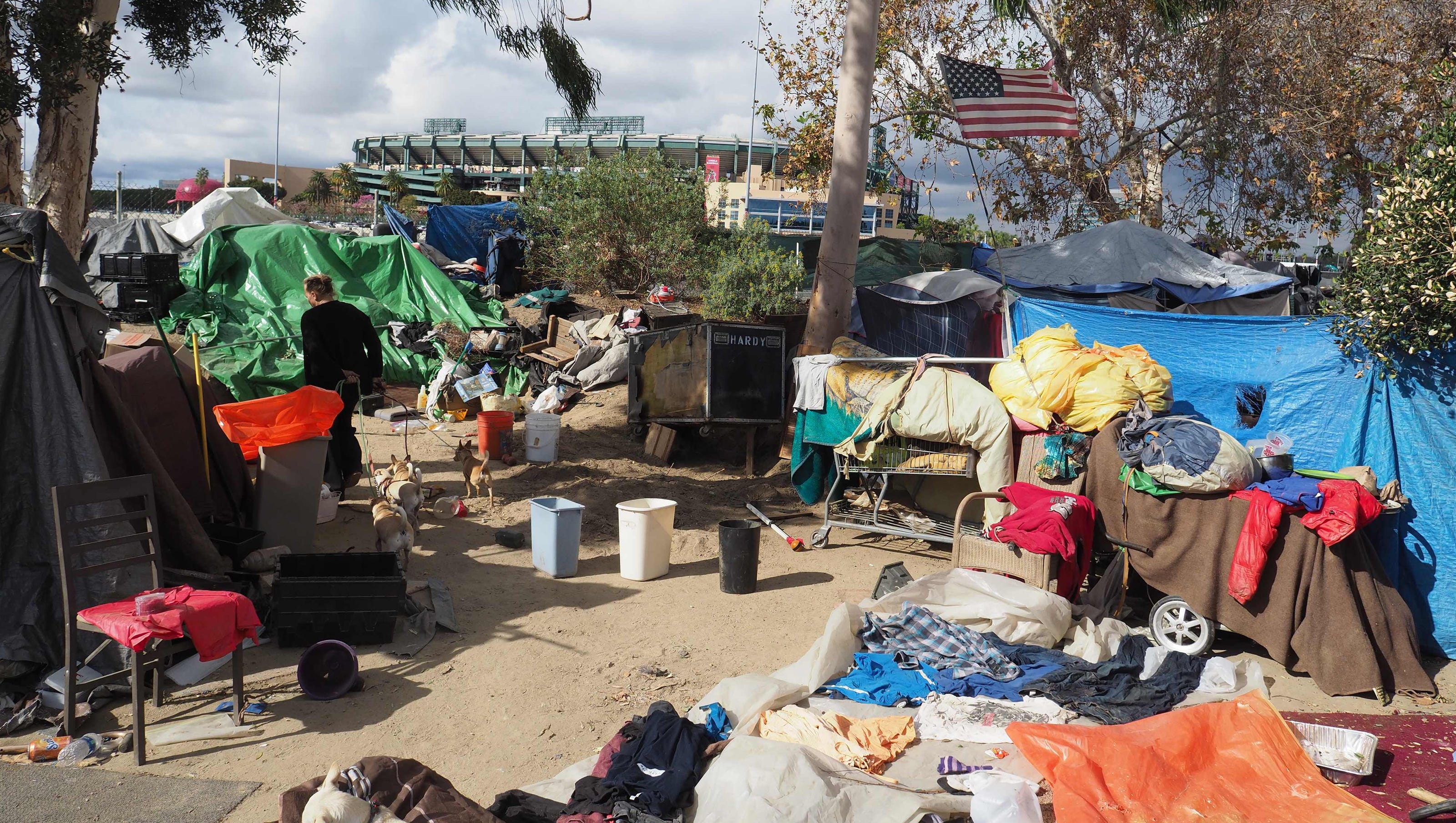
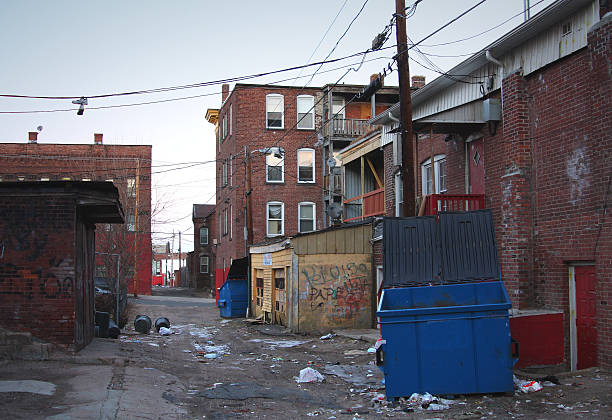
Housing for the urban poor in developed countries like the US and Europe isn’t just tight — it’s often downright miserable. In American cities, you’ve got people packed into places that are falling apart. A 2011 HUD report laid it out: 63% of low-income renters dealt with roaches or rats, 46% had walls with cracks or mold creeping in, and 39% couldn’t keep the heat or AC working right. I heard a story about a woman named Leesha who’s bounced from one rundown spot to another every year because landlords let the places rot — slumlords, she called them. It’s not just about comfort; it’s about staying safe and sane in a home that’s more burden than a shelter.

Europe’s got its version of this mess. In cities across the EU, over one in ten households — 10.6% — were shelling out more than 40% of their income on housing in 2023, according to Eurostat. Then there’s the crowding — 16.8% of people squeezed into too-small spaces in 2022. It’s worse in places like Latvia, Romania, and Bulgaria, where you’ve got 40% or more of city folks living on top of each other. Back in 2014, over half the urban poor in Romania and Bulgaria were stuck in overcrowded homes, and not much has changed. Social housing’s supposed to help, but with only about 7% of the stock in OECD countries earmarked for it, the waitlists are brutal — France alone has 2 million households in line. It’s a constant scramble, whether you’re in Detroit or Bucharest, to find a place that’s affordable and doesn’t feel like it’s caving in around you.
Health Conditions
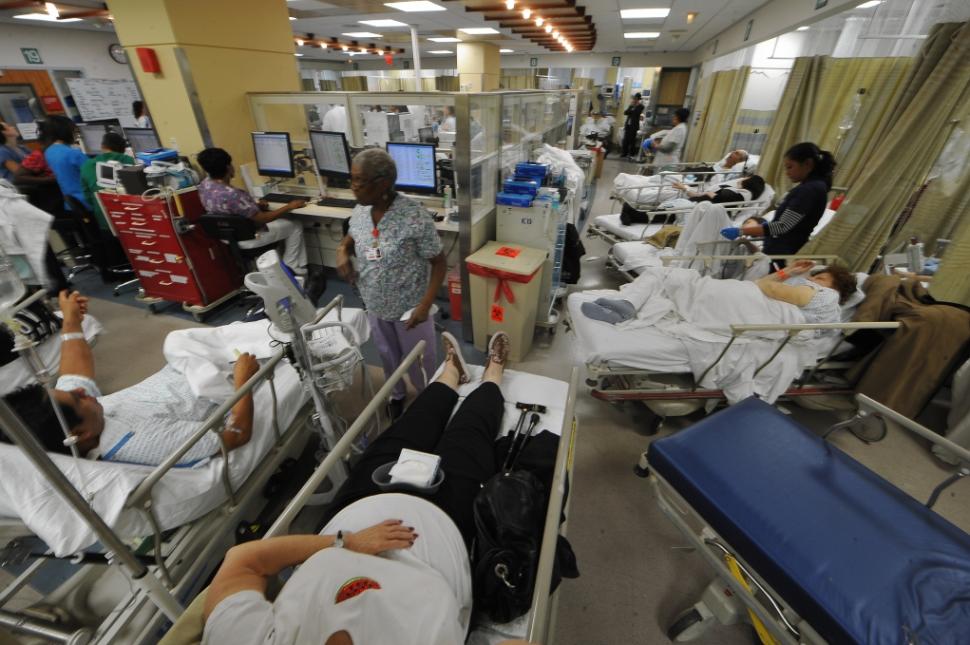
Health disparities are pronounced among the urban poor, with limited access to quality healthcare exacerbating conditions. In the US, urban poor communities have higher rates of noncommunicable diseases like heart disease and diabetes, with poor air quality and housing conditions contributing, as noted in Urban Health. A 2017 study found hookworms flourishing in the Deep South, linked to extreme poverty in the United States — Wikipedia. Mental health issues are prevalent, with urban settings amplifying stress.
In Europe, the urban poor face similar health penalties, with higher rates of noncommunicable diseases and mental health problems in deprived neighborhoods, as per Urban-rural Europe — the quality of life in cities. A 2012 study in London found unemployment, low social class, and overcrowding linked to increased ill-health from heart disease, respiratory issues, asthma, and tuberculosis. Urban Health Challenges in Europe. Out-of-pocket healthcare costs push many into poverty, with 2019 data showing financial hardship.p Far too many households across the European Region are pushed into poverty after paying for health care, finds a new WHO/Europe report.
Education Conditions

Education for urban poor children is often compromised by underfunded schools and systemic barriers. In the US, urban schools face high dropout rates, with 8% for African American youth and 7% for Hispanic youth in 2013, compared to 4% for Caucasian you. 11 Facts About Education and Poverty in America. School conditions are poor, with disrepair and inadequate supplies, as noted in A New Era in Urban Education. Research shows that poor children start school with fewer skills, with urban-rural differences mediated by community resources. Poverty and Academic Achievement Across the Urban to Rural Landscape: Associations with Community Resources and Stressors.
In Europe, urban poor children face low educational attainment, with Greece showing 81.6% of low-educated considered poor in 2023, followed by Bulgaria (67.9%) and Slovakia (53.3%). Subjective poverty is highest among the lower educated — News articles — Eurostat. Barriers include language issues for immigrants and a lack of resources, with poverty linked to reduced educational outcomes, as per The Effect of education on Poverty: A European perspective.
Social Services
Social services are crucial but often inadequate for the urban poor. In the US, programs like SNAP, TANF, and Head Start provide support, but access is challenging, especially in suburbs, with a 15.4% rural poverty rate in 2019 compared to 11.9% urban. Data show U.S. poverty rates in 2019 were higher in rural areas than in urban areas for racial/ethnic groups. Personal stories like Desiree Metcalf’s highlight navigation difficulties, with food stamps cut from $700 to $200/month. One Family’s Story Shows How The Cycle Of Poverty Is Hard To Break.
In Europe, social protection reduces poverty risk, with social transfers lowering the EU-27 at-risk-of-poverty rate from 24.5% to 16.5% in 201.9. Living conditions in Europe — poverty and social exclusion. However, access varies, with urban poor facing barriers, and social housing reducing poverty risk by 40% in Belgium. Housing Europe · Public, cooperative, social housing sector in Europe. The COVID-19 crisis highlighted needs, with increased public expenditure but uncertainty in future funding.g Social services in Europe: Adapting to a new reality.
Community Life

Community life for the urban poor is marked by social exclusion and limited resources. In the US, high-poverty urban communities have lower social mobility, with 70% of African American residents in the poorest neighborhoods being children/grandchildren of similar conditions 40 years ago. Expanding Opportunities in America’s Urban Areas. Crime rates are high, with personal stories like Marcell Jenkins in Camden, NJ, noting daily life risks. Marcell’s story: Growing up in poverty in the United States of America.
In Europe, the urban poor face spatial segregation, with deprived neighborhoods fostering cycles of deprivation, as per Urban Europe — statistics on cities, towns and suburbs — poverty and social exclusion in cities. Quality of life surveys show urban challenges, with 78.2% of working-age city dwellers reporting good health in 2023, but disparities in safety and service. Urban-rural Europe — quality of life in cities.
Personal Stories

Personal narratives humanize the data. In the US, Desiree Metcalf, 24, a single mother in Bath, NY, faced foster care, homelessness, and welfare cuts, with her daughters’ emotional issues and employment barriers due to a lack of transport. One Family’s Story Shows How The Cycle Of Poverty Is Hard To Break. In Europe, “Poor Europe” (2017) documents struggles in Italy, Portugal, and Ireland, focusing on poor children, unemployed youth, and working poor, with 119 million at risk.k Poor Europe | DOCDAYS Productions. Romanian case studies highlight extreme urban poverty, with decaying homes and a lack of water. Social Inequalities in Romania: Interactive Documentary on Urban Poverty.
Conclusion
Life at the bottom of urban economic pyramids in the US and Europe is marked by persistent poverty, substandard conditions, and systemic barriers. Addressing these requires integrated policies on housing, health, education, and social services, with personal stories underscoring the human impact. Recent trends, like suburban poverty in the US and post-COVID challenges in Europe, highlight ongoing needs for equitable urban development.
About the Creator
Adin Dewy
Adin, a seasoned journalist, covers politics, war, and socioeconomic issues with truth-driven insights.
Enjoyed the story? Support the Creator.
Subscribe for free to receive all their stories in your feed.
Comments
There are no comments for this story
Be the first to respond and start the conversation.