
Legal Loopholes Protecting Abusers in the Music Industry
Abusers in the music industry
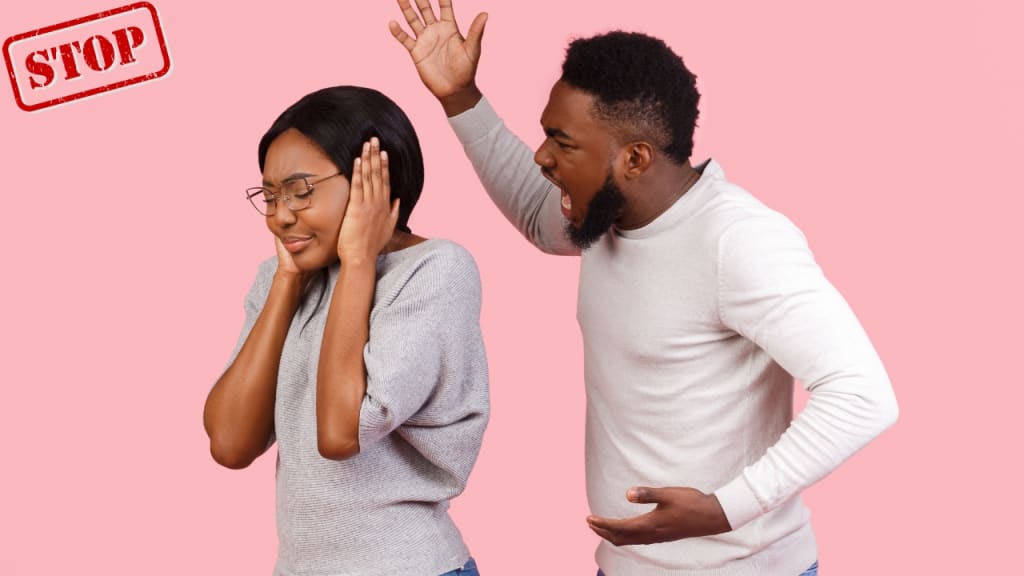
The music industry, a space celebrated for its creativity and talent, has also been plagued by scandals involving abuse of power, harassment, and exploitation. Abusers in the music industry often thrive behind the shield of legal loopholes that make it difficult for victims to come forward and seek justice. From non-disclosure agreements (NDAs) to exploitative contracts, the legal framework frequently favors powerful individuals and corporations over vulnerable artists. Addressing these systemic flaws is crucial to creating an equitable environment where abuse is no longer tolerated or concealed.
The Role of Non-Disclosure Agreements (NDAs)
One of the most insidious tools protecting abusers in the music industry is the widespread use of NDAs. These legal contracts, often included in employment agreements or settlements, are designed to protect trade secrets or confidential business information. However, they are frequently misused to silence victims of harassment, assault, or other forms of abuse.
For instance, several high-profile cases have shown how abusers manipulate NDAs to ensure victims cannot share their stories publicly or even warn others. Victims face severe legal consequences, such as fines or lawsuits, if they breach these agreements. This creates a chilling effect, deterring not only the individuals involved but also other potential whistleblowers who fear similar repercussions.
Reforming the misuse of NDAs is vital. Some jurisdictions have begun implementing laws to limit the scope of these agreements, particularly in cases involving abuse or harassment. However, without industry-wide adoption and strict enforcement, abusers will continue to use NDAs as a shield against accountability.
Exploitation Through Predatory Contracts
The music industry is notorious for its predatory contracts, particularly with young or inexperienced artists. These contracts often contain clauses that not only exploit artists financially but also leave them vulnerable to power imbalances. Managers, producers, and executives wield significant control over an artist’s career, and this power can be abused in coercive or harmful ways.
A classic example is the “360 deal,” where record labels take a percentage of all artist earnings, including touring, merchandise, and endorsements. While these deals are not inherently abusive, they often tie artists to oppressive contracts that limit their autonomy. If abuse occurs within this framework, the artist may feel trapped, knowing their livelihood is controlled by the very individuals perpetrating the harm.
To combat this, there needs to be greater transparency in contracts and stronger legal protections for artists. Mandatory independent legal representation during contract negotiations could help prevent exploitation and empower artists to recognize and challenge abusive terms.
The Weaponization of Defamation Lawsuits
Defamation lawsuits have become another weapon for abusers in the music industry to suppress allegations. When victims or journalists attempt to expose abusive behavior, powerful figures often respond with legal threats, claiming defamation. These lawsuits are not necessarily intended to succeed; rather, they are used to intimidate and financially drain the accuser.
This tactic, commonly referred to as a SLAPP (Strategic Lawsuit Against Public Participation), is designed to silence dissent and discourage others from speaking out. For victims, the mere threat of a lawsuit can be enough to deter them from pursuing justice, especially when facing wealthy abusers who can afford prolonged legal battles.
Several countries and states have introduced anti-SLAPP laws to protect individuals from these frivolous lawsuits. Expanding these protections to cover abuse cases in the music industry would be a significant step forward, ensuring victims can speak out without fear of retaliation.
Lack of Union Representation for Artists
While workers in many industries rely on unions to protect their rights, most artists in the music industry lack similar representation. Without a collective voice, individual artists are left to navigate complex legal disputes alone, making them more susceptible to exploitation and abuse.
Unions can play a critical role in addressing the power imbalance that allows abuse to flourish. By advocating for standardized contracts, enforcing workplace harassment policies, and providing legal assistance, unions could serve as a counterbalance to the influence of abusers in the industry.
In recent years, some artists and advocacy groups have pushed for unionization efforts. However, resistance from major record labels and the decentralized nature of the music industry have hindered progress. Continued advocacy is essential to overcome these obstacles and create a safer environment for artists.
Gaps in Criminal Justice Enforcement
Even when victims muster the courage to report abuse, the criminal justice system often fails them. Investigations into allegations against abusers in the music industry can be hampered by lack of evidence, victim-blaming, or procedural delays. Additionally, influential abusers may use their wealth and connections to manipulate legal outcomes, further eroding trust in the system.
One glaring issue is the statute of limitations for reporting abuse, which varies by jurisdiction. Many victims do not feel safe coming forward until years after the abuse has occurred, only to find that their case is no longer eligible for prosecution. Extending or eliminating these limitations for sexual assault and harassment cases would allow more victims to seek justice.
Proposed Solutions for Change
To address the legal loopholes shielding abusers in the music industry, several key reforms are necessary:
Restrict the Use of NDAs: NDAs should not be enforceable in cases involving abuse, harassment, or discrimination. Legislation similar to California’s “Silenced No More Act” could be adopted globally.
Mandatory Legal Oversight of Contracts: Artists should have access to independent legal counsel during contract negotiations to prevent exploitation and ensure fairness.
Stronger Anti-SLAPP Laws: Expanding anti-SLAPP protections would deter frivolous lawsuits aimed at silencing victims and whistleblowers.
Support for Unionization Efforts: Encouraging union representation for artists can provide them with a collective voice to advocate for their rights.
Criminal Justice Reform: Extending statutes of limitations and ensuring fair investigations can help victims pursue justice without unnecessary obstacles.
Conclusion
The music industry has long been a fertile ground for exploitation, with legal loopholes protecting abusers in the music industry from accountability. From the misuse of NDAs to the manipulation of defamation laws, these systemic issues perpetuate a culture of silence and fear. Addressing these flaws requires not only legislative changes but also a collective commitment from industry stakeholders to prioritize ethics over profit. By closing these legal gaps and empowering victims, the music industry can take meaningful steps toward a safer and more equitable future.
About the Creator
SEO 5
Music Enthusiast | Industry Insider | Vocal Media Contributor
Passionate about sharing insights on the latest trends, emerging artists, and the evolving landscape of the music industry.
Enjoyed the story? Support the Creator.
Subscribe for free to receive all their stories in your feed.
Comments
There are no comments for this story
Be the first to respond and start the conversation.