Latest Stories
Most recently published stories in FYI.
The world's Very Expensive Diamond
This Diamond is one of the most expensive Diamond in the world. Upcoming lines, we will explore the story of Kohinoor Diamond and it's details. What is the Kohinoor Diamond? The Kohinoor Diamond is a large, colorless diamond that has been described as the "mountain of light." It is believed to have been mined in the Golconda region of India, which was known for producing some of the world's most valuable diamonds. The diamond is said to have weighed over 800 carats when it was first discovered, although it has since been cut down to its current weight of 106 carats. It is an oval-shaped stone with a distinctive flat side, which is thought to have been cut in the 19th century to improve its brilliance. Early history of the Kohinoor Diamond The earliest known mention of the Kohinoor Diamond dates back to 1306, when it was recorded in the writings of a Persian historian named Wassaf. At the time, the diamond was said to be in the possession of the Rajah of Malwa, a powerful ruler in central India. Over the centuries that followed, the Kohinoor Diamond passed through the hands of various Indian rulers and conquerors. It is said to have been owned by the Mughal emperors Babur, Humayun, and Akbar, among others, before falling into the hands of the Persian ruler Nadir Shah in 1739. Nadir Shah took the Kohinoor Diamond back to Persia, where it remained for several decades. It was then acquired by the Afghan ruler Shah Shuja Durrani, who wore it as a symbol of his power. The diamond then passed through the hands of several other Afghan rulers before being taken by Maharaja Ranjit Singh, the ruler of the Sikh Empire, in 1813. Singh was a great admirer of the Kohinoor Diamond, and he is said to have worn it on his arm during battles and ceremonies. British acquisition of the Kohinoor Diamond In 1849, the British East India Company defeated the Sikh Empire and annexed the Punjab region, which included the city of Lahore, where the Kohinoor Diamond was kept. The diamond was surrendered to the British as part of the Treaty of Lahore, which ended the Second Anglo-Sikh War. The Kohinoor Diamond was then shipped to England and presented to Queen Victoria as a gift from the East India Company. It was put on display at the Great Exhibition in 1851, where it was seen by millions of people. Controversy over the Kohinoor Diamond Ever since the Kohinoor Diamond came into British possession, there has been controversy over its ownership and value. Some Indian nationalists and historians have argued that the diamond was taken from India illegally and should be returned to its rightful owners. In 2016, the Indian government filed a lawsuit seeking the return of the Kohinoor Diamond from the British government. However, the British government rejected the claim, arguing that the diamond had been acquired legally under the terms of the Treaty of Lahore. The value of the Kohinoor Diamond has also been the subject of much debate. While some experts estimate its value to be in the billions of dollars, others argue that its historical and cultural significance makes it priceless. The price of the Kohinoor Diamond is difficult to estimate accurately due to its historical significance, unique characteristics, and uncertain ownership status. While some experts have estimated its value to be in the billions of dollars, it is widely considered to be priceless due to its cultural and historical importance. Ultimately, the diamond's value will depend on many factors, including its condition, clarity, and any legal or political issues that may affect its ownership and sale. Conclusion The Kohinoor Diamond is a fascinating and enigmatic gemstone that has captured the imagination of people around the world for centuries. Its story is a testament to the enduring power of beauty and rarity, as well as the complex and often contentious relationship between different cultures and nations.While the controversy surrounding the Kohinoor Diamond is likely to continue, there is no denying its status as a true marvel of nature and human craftsmanship. Whether it remains in British possession or is eventually returned to India, the diamond will always be a symbol of the many ways in which the world's cultures and histories have intersected and intermingled over the centuries.
By Pro Writer4 years ago in FYI
The 10 Rules Of IKIGAI: The Japanese Secrets To A Long And Happy Life
1. Stay active; don’t retire. “Those who give up the things they love doing and do well lose their purpose in life. That’s why it’s so important to keep doing things of value, making progress, bringing beauty or utility to others, helping out, and shaping the world around you, even after your“official” professional activity has ended.”
By Anmol Shukla4 years ago in FYI
30 Days To A New You: How To Lose Weight Quickly In Just One Month
Introduction Losing weight quickly can be a daunting task, but it is definitely possible with a bit of dedication and effort. In just one month, you can lose a significant amount of weight by making some simple lifestyle changes and following a healthy diet plan.
By Wellness and Fitness4 years ago in FYI
WEBSITE DESIGN TIPS & TRICKS FOR TECHNOLOGY COMPANIES
Technology-related websites are a central location and a powerful instrument for marketing campaigns. To be successful your site's technological capabilities, it must to offer more prominent content and sales touchpoints whilst not overwhelming the user or the potential buyer.
By Bhavitra Techsolutions4 years ago in FYI
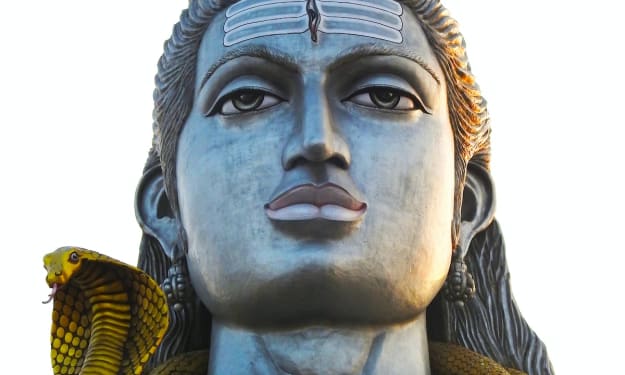
Third Eye : “The Divine Eye of Lord Shiva”
Who is Lord Shiva? Lord Shiva is one of the major deities in Hinduism and is considered to be one of the three primary gods along with Brahma and Vishnu. He is often depicted as a powerful and ascetic deity who is associated with the concepts of destruction, creation, and preservation. Shiva is known by many different names and is revered by millions of devotees all over the world. He is often depicted as a fearsome and wrathful deity, but also as a gentle and compassionate god. In Hindu mythology, Shiva is often portrayed as the divine teacher and the ultimate yogi, embodying the highest levels of spiritual wisdom and knowledge. Shiva is also associated with the Hindu concept of yoga, and is seen as the embodiment of the power of concentration and meditation. He is often depicted as sitting in deep meditation, with the crescent moon in his hair and the river Ganges flowing from his head, symbolizing the power of his spiritual insight. In addition to his spiritual associations, Shiva is also associated with the forces of nature and is revered as the god of storms, earthquakes, and fertility. He is often depicted with weapons such as a trident and a drum, symbolizing his ability to control and harness the elements of nature. In Hindu tradition, Lord Shiva is often worshipped along with his consort, the goddess Parvati, and their son, Lord Ganesha. He is also venerated by the followers of the Shaiva sect, which regards him as the supreme god. Overall, Lord Shiva is seen as a complex and multifaceted deity, embodying both the power of destruction and the grace of creation, and serving as a source of inspiration for millions of Hindus worldwide. Third Eye : “The Divine Eye of Lord Shiva” The third eye of Lord Shiva, also known as the “Divine Eye,” is a spiritual symbol in Hinduism representing the concept of inner wisdom, knowledge, and enlightenment. In Hindu mythology, it is said that Lord Shiva has the ability to burn anything to ashes with just a glance from his third eye, which is located in the center of his forehead. This eye is believed to represent his power of perception, the ability to see beyond the physical realm and understand the hidden truths of the universe. In Hindu tradition, Lord Shiva is often depicted with a third eye, which is painted or carved in the center of his forehead. This eye is often represented as being red or blue in color, and is sometimes surrounded by a halo of flames, symbolizing the power and intensity of its gaze. The third eye is also associated with spiritual awakening, and is seen as a symbol of the inner vision and intuition that one can develop through spiritual practice. In conclusion, the third eye of Lord Shiva is a powerful symbol in Hinduism, representing inner wisdom, knowledge, and enlightenment. It is associated with the power of perception, spiritual awakening, and the ability to see beyond the physical realm and understand the deeper truths of the universe. The third eye is also considered to be a powerful tool for meditation and spiritual practice. Many Hindu devotees believe that by meditating on the third eye, they can tap into their own inner wisdom and gain a deeper understanding of the world around them. This is seen as a way to gain greater control over one’s thoughts and emotions, and to develop a more enlightened state of consciousness. In Hindu mythology, the story of Lord Shiva’s third eye is often tied to the story of his wife, Parvati. It is said that when Parvati playfully covered Shiva’s eyes, the world was plunged into darkness. In order to restore light to the world, Shiva opened his third eye, which released a powerful beam of light and energy that destroyed everything in its path. This story is often interpreted as a metaphor for the power of the third eye and its ability to destroy ignorance and bring enlightenment to those who possess it. In modern Hindu culture, the third eye continues to be an important symbol of spiritual power and enlightenment. Many Hindu devotees wear a bindi, a small dot or mark, on their foreheads as a symbol of the third eye, and as a reminder to strive for inner wisdom and spiritual growth. The third eye is also often incorporated into Hindu art and architecture, as a symbol of the divine presence and the power of the spirit. In conclusion, the third eye of Lord Shiva is a complex and powerful symbol in Hinduism, representing the pursuit of inner wisdom, knowledge, and spiritual growth. It continues to be an important aspect of Hindu culture, inspiring devotees to seek greater understanding and enlightenment through spiritual practice. In addition to its spiritual significance, the third eye is also often seen as a symbol of protection. In Hindu tradition, it is believed that those who possess the power of the third eye are protected from harm and negative influences. This is why the third eye is often depicted as a fierce and intense gaze, capable of destroying any obstacle that stands in the way of the individual’s spiritual growth. The third eye is also associated with the Hindu goddess Kali, who is seen as a fierce protector of the divine and the destroyer of evil. In this context, the third eye represents the power of divine knowledge and the ability to see through illusion and deception. This power is seen as essential for the protection of the individual and for the attainment of spiritual enlightenment. In some Hindu sects, the third eye is also believed to be a physical manifestation of spiritual power, located in the pineal gland of the brain. It is said that by awakening this gland, an individual can gain access to higher levels of consciousness and spiritual insight. This idea has been popularized in recent times by some New Age and spiritual movements, which promote the awakening of the third eye as a way to achieve spiritual growth and greater understanding of the universe. In conclusion, the third eye of Lord Shiva is a multifaceted symbol in Hinduism, representing the pursuit of inner wisdom, knowledge, protection, and spiritual growth. Its importance continues to be recognized and celebrated in Hindu culture, inspiring individuals to seek greater understanding and enlightenment through spiritual practice. The power of the third eye is often seen as being intimately tied to the pursuit of spiritual growth and enlightenment. In Hinduism, the third eye is believed to represent the power of inner vision, intuition, and perception, which can be developed through spiritual practice. With the awakening of the third eye, it is believed that one can gain a deeper understanding of the world and the underlying truths of the universe. This power is seen as the ability to see beyond the physical realm and to perceive the spiritual dimension of reality. It is said to bring greater clarity and insight, and to give the individual a more profound sense of purpose and meaning in life. The third eye is also associated with spiritual protection and the ability to see through illusion and deception. It is believed that those who possess the power of the third eye are protected from harm and negative influences, and are better equipped to navigate the challenges of life with wisdom and grace. In some Hindu sects, the awakening of the third eye is believed to bring about a state of heightened consciousness, in which the individual experiences a deep sense of unity and oneness with the universe. This is seen as a crucial step in the spiritual journey, and as the path to ultimate enlightenment. In conclusion, the power of the third eye is seen as an essential aspect of spiritual growth and enlightenment in Hinduism. It represents the power of inner vision, intuition, and perception, and is believed to bring greater wisdom, clarity, and insight to those who awaken it. If the third eye is “opened,” it is believed to bring about a range of spiritual and psychological changes. The exact nature of these changes can vary depending on the individual, as well as their religious and spiritual beliefs. However, some common experiences associated with the opening of the third eye include: Increased intuition and psychic abilities: Many people report having stronger intuition, heightened awareness, and more developed psychic abilities after the third eye has been opened. This can include the ability to sense the energy of others, to receive psychic messages, and to perceive the world in new and deeper ways. Greater spiritual insight and understanding: The opening of the third eye is often seen as a key step on the path to spiritual growth and enlightenment. It is believed to bring about a deeper understanding of the universe and one’s place in it, and to give the individual a more profound sense of purpose and meaning in life. Changes in perception and awareness: The opening of the third eye is often accompanied by changes in perception and awareness. This can include a heightened sensitivity to light, sound, and energy, as well as an expanded sense of consciousness. Some people report having experiences of synesthesia, or the blending of the senses, after the third eye has been opened. Physical symptoms: Some people report physical symptoms associated with the opening of the third eye, such as headaches, pressure in the forehead, and changes in sleep patterns. These symptoms are generally considered to be temporary and can be managed through meditation, breathing exercises, and other spiritual practices. It's Important to note that the experience of opening the third eye can be highly subjective, and can vary greatly from person to person. Some people may experience profound changes and spiritual insights, while others may not notice any significant differences. Additionally, the idea of the “opening” of the third eye is often associated with certain spiritual or esoteric practices, and its scientific validity is a matter of debate.
By Santhosh Ramesh 4 years ago in FYI
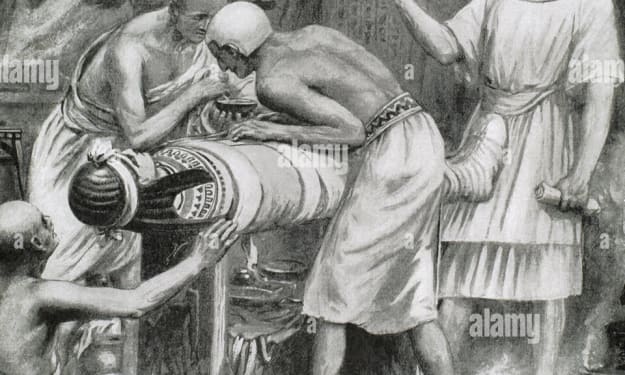
From Cutting Off Hands to Mummification
As you read on, you might find some of the punishments shocking and others comical. But one thing is for sure, the Ancient Egyptians took their justice system seriously. Whether it was to maintain social order or to please the gods, the severity of punishments in Ancient Egypt was designed to send a clear message to wrongdoers and society as a whole. So sit back, grab a cup of coffee, and join us on a journey through time as we uncover the severity of punishments in Ancient Egypt
By Mirza Mirza4 years ago in FYI
Euromaidan: The Revolution for Freedom and Democracy in Ukraine
The Euromaidan movement was a series of rallies and demonstrations in Ukraine that took place between November 2013 and February 2014. The demonstrations were spurred by the Ukrainian government's decision to halt discussions with the EU in order to strengthen ties with Russia. The Euromaidan movement began as a peaceful demonstration, but it quickly developed into violent clashes between protestors and government forces, resulting to the government's demise and the subsequent election of a new president.
By InspireNation4 years ago in FYI
Blueberry Fruit For Skin And Weight Loss!
Due to its exceptional healing properties, blueberry is often considered one of the world's most nutritious fruits. Therefore, you should begin reaping the benefits of blueberry fruit as soon as possible. In this article, we will discuss some of the health benefits of blueberry fruit, which is beneficial for various medical ailments.
By toneop article114 years ago in FYI
Tips To Saving Money
Saving money is a critical aspect of managing your finances and achieving financial stability. Whether you're saving for a down payment on a home, an emergency fund, or retirement, having a savings plan in place is essential. In today's world, where unexpected expenses can arise at any moment, having a solid savings plan can provide peace of mind and help you weather any financial storm.
By Abhishek Yadav4 years ago in FYI
About Alaska
Alaska is the largest state in the United States by area, located in the far north of the country, bordering Canada to the east and the Arctic Ocean to the north and west. It is known for its vast wilderness areas, including the towering peaks of the Alaska Range, glaciers, fjords, and wildlife such as moose, bears, and whales. Alaska is also rich in oil and mineral resources, and fishing is a major industry in the state, with salmon being one of its most important catches. The state capital of Alaska is Juneau, and the largest city is Anchorage.
By GJB FAMILY4 years ago in FYI