
KS Chithra: The Soundtrack of South India
KS Chithra: The Soundtrack of South India
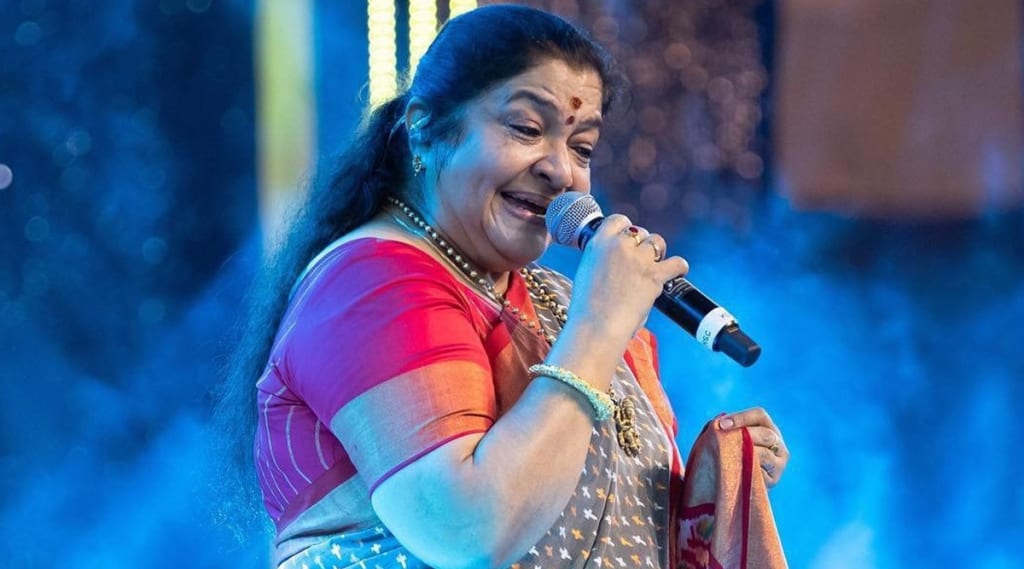
KS Chithra, often hailed as the "Nightingale of South India," is a name that resonates far beyond the borders of her home country. Her voice, with its distinct texture and soul-stirring quality, has a unique ability to transcend language and culture, touching hearts around the world. For over four decades, Chithra has enchanted audiences with her versatility, from classical Indian music to popular film tracks, solidifying her status as a musical icon. This article delves into Chithra's extraordinary journey from her humble beginnings in the world of Carnatic music to her global influence as one of the most beloved playback singers in Indian cinema.
Early Life and the Foundation of Classical Training
Born in 1963 in Thiruvananthapuram, Kerala, KS Chithra's musical inclination was apparent from a young age. Her father, Krishnan Nair, who was also musically inclined, recognized her talent early on and encouraged her to pursue music. She trained under the guidance of K. Omanakutty, a renowned Carnatic music vocalist, where her foundational skills in classical music were established. Her deep understanding of classical techniques and discipline would later give her an edge as a playback singer, enabling her to adapt effortlessly across various musical styles and languages.
Chithra's classical background, especially in Carnatic music, proved to be her bedrock as she entered the world of playback singing. Her training allowed her to express complex emotions and nuances that captivated both critics and audiences. This classical grounding also enabled her to approach different music genres with ease, whether singing for Tamil, Telugu, Malayalam, or Hindi films, which would eventually become a significant part of her musical identity.
Breaking Into Playback Singing and Initial Successes
Chithra's entry into playback singing happened in the late 1970s when she lent her voice for Malayalam cinema. However, it was her collaboration with legendary music director Ilaiyaraaja in the 1980s that became a turning point in her career. Ilaiyaraaja, known for his unique approach to blending classical Indian music with modern sounds, immediately recognized her potential. The duo produced some of the most memorable songs in South Indian cinema, establishing Chithra as a prominent voice.
Songs like "Paadariyen Padippariyen" from the Tamil movie Sindhu Bhairavi highlighted her impressive vocal range and emotional depth, making her a household name. Her unique ability to modulate her voice, deliver intricate notes with precision, and evoke emotion even in complex compositions set her apart. With each song, she not only won over fans but also garnered praise from critics who saw her as a breath of fresh air in Indian cinema. Chithra quickly rose to prominence, winning her first National Film Award for Best Female Playback Singer, a significant milestone in a career that would see many more accolades.
The Journey Beyond Language and Region
What truly sets KS Chithra apart is her versatility and adaptability. While she initially gained fame in Malayalam and Tamil cinema, her reach extended to other regional film industries, including Telugu, Kannada, and even Bollywood. Chithra's ability to sing flawlessly in various Indian languages helped her connect with a broader audience across the nation. Her voice has become a unifying factor in a country that celebrates diversity in language and culture.
Chithra's voice effortlessly adapts to different musical contexts. In Telugu cinema, she became a favored voice for romantic and emotional songs, capturing the nuances of Telugu literature and sentiment. Her song "Yamaho Nee Yama" from the film Sitara and "Nuvvostanante Nenoddantana" from Varsham became instant classics, cementing her status as a beloved playback singer in the Telugu industry. In Bollywood, too, her song "Kehna Hi Kya" from Bombay remains an iconic track, showcasing her range and artistry. Each time Chithra steps into a new language or genre, she brings with her the same commitment and grace, earning admiration from fans of diverse linguistic backgrounds.
The Role of Emotion in Chithra's Singing
One of the most remarkable aspects of Chithra's singing is her ability to convey deep emotion. Her voice carries a natural warmth and sincerity that draws listeners in, making them feel the emotions conveyed in her songs. This emotional depth is perhaps one of the reasons why she has resonated so deeply with audiences over the years. Whether it's a devotional track, a love song, or a soulful melody, Chithra's voice reaches into the hearts of her listeners, creating an almost spiritual connection.
Songs like "Aathangara Marame" from the movie Kizhakku Cheemayile or "Oru Poovinnkinavu" from Thenmavin Kombath are great examples of her ability to evoke strong emotions. She uses her voice as an instrument to express joy, sorrow, longing, and love, often within a single song. This emotional versatility is a rare quality that has allowed her to build a deep bond with her audience, one that goes beyond mere admiration and enters the realm of personal connection.
Global Recognition and Enduring Legacy
KS Chithra's fame is not limited to Indian shores. Her music has reached audiences worldwide, particularly among the Indian diaspora, where her songs bring a sense of nostalgia and cultural connection. She has performed in prestigious venues around the globe, including the Royal Albert Hall in London, and has been invited to music festivals internationally, where she represents Indian music on a global stage. This international recognition highlights her status as a cultural ambassador, bridging India's rich musical heritage with the world.
With over 25,000 songs recorded in multiple languages and more than six National Film Awards, Chithra's achievements speak volumes about her dedication and talent. Her contributions to Indian cinema and music have earned her the title of "Isai Kuyil" (the Nightingale of Music), a testament to her enduring legacy.
Conclusion
KS Chithra's journey is one that transcends boundaries, both geographically and musically. From her classical roots in Carnatic music to becoming a beloved playback singer in the Indian film industry, she has carved out a legacy that will continue to inspire future generations. Her ability to bridge different genres and languages, while maintaining emotional authenticity, has made her a true icon of Indian music. KS Chithra's voice is not just music; it is an experience that continues to resonate with millions around the world, reaffirming her place as a timeless symbol of India's rich musical heritage.
About the Creator
MusicVerse
Lets dive into the world of music.
Enjoyed the story? Support the Creator.
Subscribe for free to receive all their stories in your feed.
Comments
There are no comments for this story
Be the first to respond and start the conversation.