
King Charles and Prince William Face £10m Energy Upgrade Bill for Estates
Royal estates could face millions in energy-efficiency upgrades as tougher UK rental standards put historic properties under pressure.
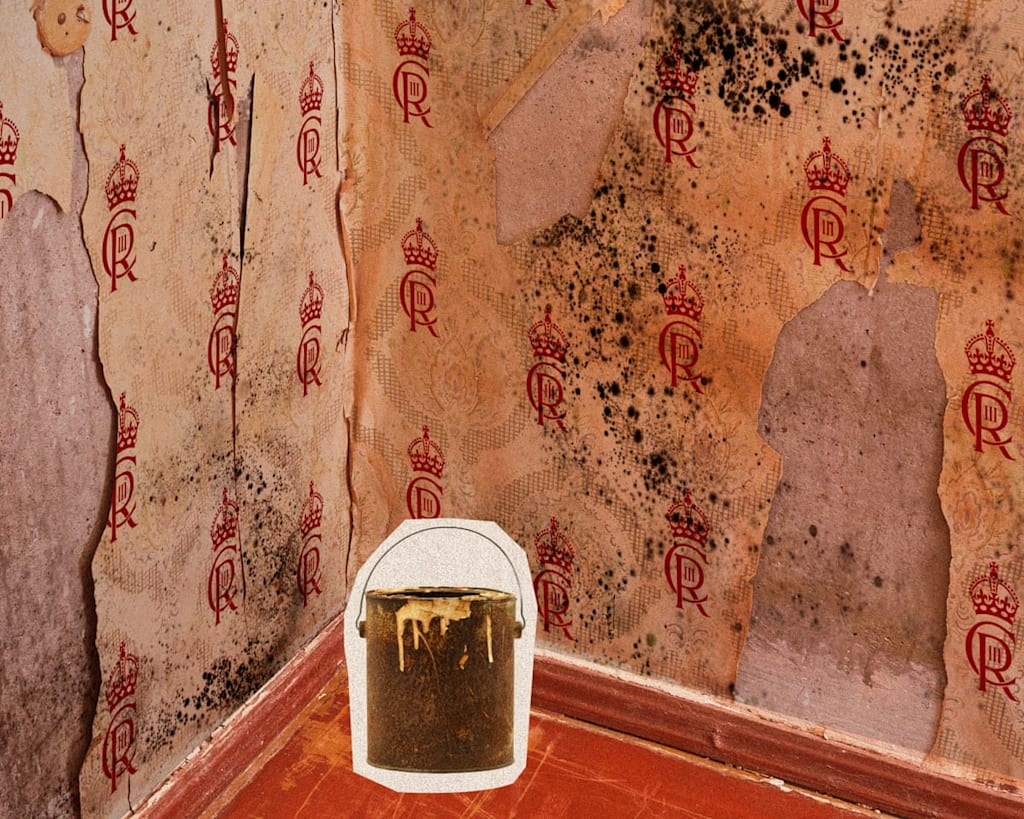
New energy-efficiency standards could require major investment across hundreds of royal rental properties
King Charles and Prince William could face an estimated £10 million bill to improve the energy efficiency of hundreds of rental properties connected to their private estates, as the UK prepares to introduce tougher standards for rented homes. The potential cost highlights a growing challenge for major landlords across Britain: upgrading older buildings while meeting increasingly demanding environmental and energy-efficiency targets.
The issue affects properties associated with the Duchies of Lancaster and Cornwall, as well as the Sandringham estate. An investigation reported that a large proportion of domestic properties across these estates have relatively poor Energy Performance Certificate (EPC) ratings. Under proposed rules, landlords could face stronger obligations to bring properties up to a higher efficiency standard by 2030.
Why the £10 million figure matters
The reported £10 million estimate represents the possible scale of investment required rather than a confirmed bill that King Charles or Prince William have already agreed to pay. The cost would depend on the number of properties requiring work, the condition of individual buildings and the upgrades ultimately required.
Energy improvements can range from relatively straightforward measures, such as better insulation and draught-proofing, to more expensive projects involving windows, heating systems, roofs and renewable-energy technology.
Older estate properties can present particular difficulties. Many are historic buildings where modern insulation or heating equipment cannot simply be installed without considering architectural features, planning restrictions and long-term maintenance requirements.
What are EPC ratings?
An Energy Performance Certificate measures the energy efficiency of a property and gives it a rating from A to G, with A representing the highest level of efficiency.
Properties with lower ratings can generally require more energy to heat and may be more expensive for tenants to run. Improving a home's EPC rating can therefore have benefits beyond meeting government regulations.
Better insulation can reduce heat loss, while modern heating systems can potentially lower energy consumption. In practical terms, tenants could benefit from warmer homes and lower energy requirements if improvements are properly designed and maintained.
The concern for the royal estates is that a substantial number of their rental properties reportedly sit below the level expected under future standards. More than 100 properties were reported as already failing the current legal minimum, while a significant proportion of sampled properties were rated F or G.
The Duchy of Lancaster and Duchy of Cornwall
King Charles and Prince William have different private estate responsibilities.
The Duchy of Lancaster provides income to the reigning monarch, meaning it is associated with King Charles. The Duchy of Cornwall traditionally provides income to the heir to the throne and is therefore associated with Prince William.
These estates contain extensive property portfolios, including agricultural land, commercial buildings and residential properties.
The potential energy-efficiency spending therefore illustrates how environmental regulation can affect even large and historically significant landowners. While the royal estates attract unusual public attention, the underlying challenge is similar to one facing many private landlords: older housing can be expensive to bring up to modern energy standards.
Sandringham adds another dimension
Sandringham is another important part of the story. The estate, traditionally associated with the monarch and privately owned by the sovereign, includes residential properties occupied by tenants.
Improving energy performance across a large estate is considerably more complicated than upgrading a single modern house. Work has to be assessed property by property, with costs depending on construction, age, existing heating systems and the availability of suitable insulation.
Some buildings may require relatively modest improvements, while others could need major renovation.
Why the issue has attracted public attention
The reported £10 million figure has generated debate because of the wider discussion surrounding royal finances and property ownership.
King Charles voluntarily disclosed his personal tax information for the first time in 2026, while royal finances have faced increased scrutiny. Separately, the monarchy's core public funding is scheduled to rise substantially under a revised Sovereign Grant formula, reaching almost £100 million in 2027-28.
It is important, however, to distinguish between private estate expenditure and public funding for official royal duties. The properties discussed in the energy-efficiency investigation are connected to private estates rather than being simply part of the publicly funded Crown Estate.
That distinction is significant because headlines about a multimillion-pound royal property bill can otherwise create confusion over who ultimately pays for individual improvements.
A wider test for Britain's landlords
The royal estates are not alone in facing the pressure created by higher energy standards. Across Britain, landlords with older housing stock are increasingly being encouraged or required to improve insulation and energy performance.
The challenge is balancing environmental objectives with affordability.
For tenants, inefficient homes can mean higher heating requirements and uncomfortable living conditions. For landlords, upgrading hundreds of properties can involve substantial capital expenditure, particularly where buildings are old or protected.
The royal estates could therefore become a high-profile example of a much broader transition taking place throughout Britain's rental sector.
What could happen next?
The precise financial impact will depend on the final rules, implementation timetable and the condition of individual properties. Not every home will necessarily require the same level of investment.
Possible measures could include insulation improvements, replacement windows, upgraded heating systems, improved controls and other measures designed to reduce energy consumption.
For King Charles and Prince William, the issue presents both a financial and reputational challenge. Their estates are large property businesses with significant assets, but public expectations surrounding sustainability and responsible land management are also unusually high.
The reported £10 million potential energy upgrade bill therefore represents more than a property-maintenance expense. It reflects the growing cost of adapting Britain's older housing stock to a lower-energy future.
As the 2030 deadline approaches, the royal estates will be closely watched to see how they respond. Their experience could provide an important example of the practical difficulties involved in transforming historic properties while meeting modern energy-efficiency expectations.
In short, the £10 million figure is an estimated potential cost, not a confirmed taxpayer bill. The central issue is whether hundreds of rental properties connected to the Duchies and Sandringham can be brought up to future energy standards efficiently, affordably and without compromising the character of historic buildings.
About the Creator
Enjoyed the story? Support the Creator.
Subscribe for free to receive all their stories in your feed.
Comments
There are no comments for this story
Be the first to respond and start the conversation.