
Is Food Quality in the US Really Getting Worse? The Truth Behind Changing Taste, Grocery Concerns, and Modern Food Supply Chains
Why More Americans Are Questioning the Taste, Freshness, and Consistency of Everyday Grocery Foods

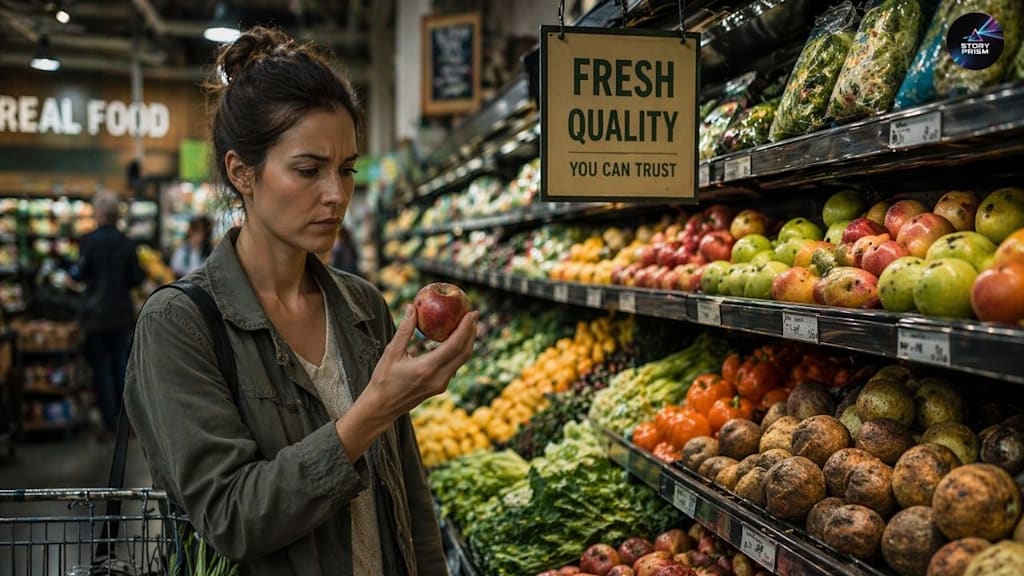
In recent years, many consumers in the United States have started asking the same question: is food quality getting worse? Across online discussions, grocery stores, and everyday conversations, people report noticeable changes in the taste, texture, and freshness of common foods. From produce that spoils too quickly to packaged snacks that taste different than before, concerns about declining food quality are becoming increasingly common. While opinions vary, the volume of similar experiences suggests that something deeper may be happening within the food supply chain.
One of the most frequently mentioned issues is the quality of fresh produce. Shoppers often say that fruits and vegetables look perfect on the outside but lack flavor once consumed. Strawberries, apples, and oranges are commonly cited examples, with many people reporting bland taste and short shelf life. Leafy greens such as lettuce and spinach are also said to wilt faster than in the past. Some consumers believe this is due to produce being harvested earlier to survive long-distance transportation, sacrificing flavor for durability.
Another major concern involves meat and poultry products. Chicken, in particular, is often described as having a strange texture, sometimes rubbery or watery after cooking. Some consumers notice that meat shrinks more during preparation, suggesting higher water retention or processing differences. Eggs and dairy products have also been mentioned, with subtle differences in taste or consistency that long-time buyers feel they can detect.
Processed and packaged foods are another area where many people report changes. Popular snacks, frozen meals, and even basic staples like bread and cereals are often said to taste different compared to years ago. In some cases, companies are believed to have quietly altered recipes by replacing ingredients or reducing quality to cut costs. This phenomenon, sometimes called “shrinkflation” or “recipe reformulation,” is frequently discussed as a major contributor to perceived food decline.
Economic factors are often cited as a possible explanation. Rising production costs, supply chain pressures, and inflation may push manufacturers to reduce ingredient quality or change sourcing strategies. Large-scale food production systems prioritize efficiency and shelf life, which can impact flavor and freshness. Some analysts also point to consolidation in the food industry, where fewer companies control larger portions of production and distribution.
Global supply chains have also changed significantly in recent years. Food often travels longer distances before reaching consumers, requiring preservation methods that can affect taste and texture. Additionally, climate conditions and agricultural challenges may influence crop quality and consistency. These factors combined can lead to variation in the food experience depending on region and brand.
However, not everyone agrees that food quality is objectively declining. Some argue that perceptions are influenced by nostalgia, where people remember the past more favorably than it actually was. Others suggest that the issue is not overall decline but increased variation, where premium quality still exists but requires higher spending. In other words, better food may still be available, but it is less accessible at standard price points.
Ultimately, the discussion around food quality reflects a mix of real economic pressures and subjective experience. While it is difficult to measure taste objectively across decades, the consistency of consumer feedback indicates that many people feel a difference. Whether this is due to production changes, ingredient substitutions, or perception bias, the concern is shaping how consumers view modern food systems. As awareness grows, demand for transparency and higher-quality options may continue to increase in the future.
Consumers who are concerned about food quality changes often look for ways to improve what they buy and eat. One approach is choosing local farmers markets, where produce is typically fresher and less processed than large retail supply chains. Others prefer buying seasonal fruits and vegetables, which are more likely to have better flavor and nutritional value. Reading ingredient labels carefully can also help identify highly processed foods with additives or fillers. In addition, some shoppers switch to smaller or specialty grocery stores that focus on higher-quality sourcing rather than mass distribution. While these options may cost more, many consumers believe the trade-off is worth it for better taste and freshness.
Looking ahead, the future of food quality will likely depend on how supply chains, consumer demand, and agricultural practices evolve. If more people prioritize quality over cost, companies may be encouraged to improve sourcing and transparency. Technological advances in farming and logistics could also help maintain freshness without sacrificing flavor. However, inflation and global demand pressures may continue to challenge consistency in food production. Ultimately, consumer awareness and purchasing decisions will play a major role in shaping how food quality develops in the coming years. Education and transparency in labeling will also influence trust in food systems overall over time globally now
About the Creator
Enjoyed the story? Support the Creator.
Subscribe for free to receive all their stories in your feed.
Comments
There are no comments for this story
Be the first to respond and start the conversation.