
How Yacht Brokers in Miami Actually Work — and What Buyers Should Know Before the First Conversation
A Clear-Eyed Look at the Brokerage Process, Commission Structures, and What to Expect When Entering the Miami Yacht Market

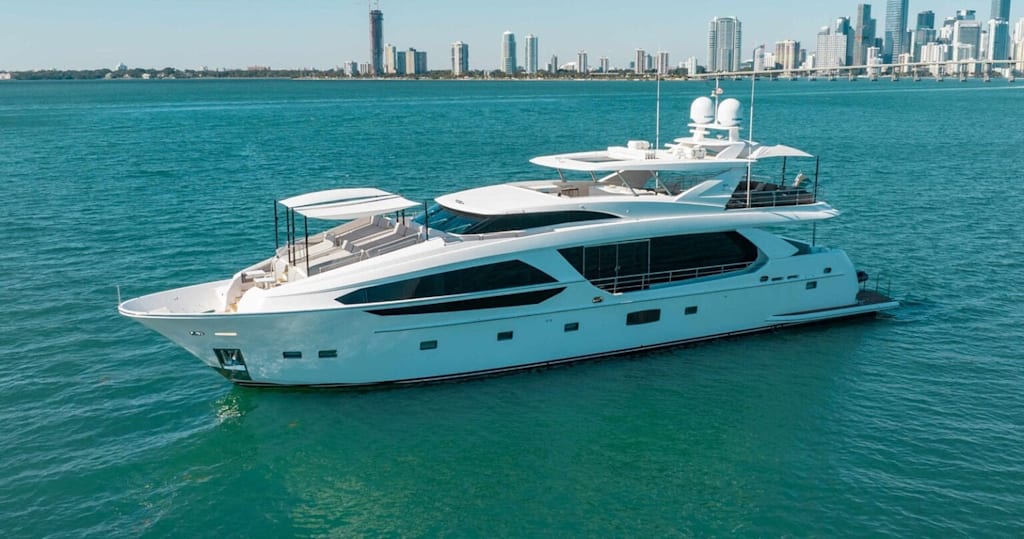
Miami occupies a genuinely unique position in the global yacht market. The combination of year-round boating weather, proximity to the Bahamas and Caribbean, a dense concentration of high-net-worth residents and visitors, and world-class marina infrastructure has made South Florida one of the most active regions for yacht transactions anywhere. The annual Miami International Boat Show draws tens of thousands of attendees and signals new-season inventory across the industry, while the secondhand market — spanning everything from 40-foot cruisers to megayachts — runs continuously throughout the year.
For anyone seriously considering a yacht purchase in this market, the broker relationship is almost always central to the process. Yet the brokerage industry is one that prospective buyers consistently misunderstand before their first engagement — sometimes to their financial or transactional detriment. The role of a yacht broker in Miami, how brokers are compensated, what they are and are not obligated to do, and how the buyer's side of the equation is often underserved are all topics that receive far less frank discussion than they warrant. Understanding them before walking into a first conversation with a brokerage changes the dynamic meaningfully.
The Broker's Role — and Who They Actually Represent
The foundational question in any yacht brokerage transaction is a straightforward one that buyers rarely ask directly: who does this broker represent? The answer shapes everything about the transaction, and assuming the wrong answer is one of the most common mistakes first-time buyers make.
In the majority of yacht sales, the broker who listed the vessel — the listing broker — represents the seller. Their fiduciary obligation, however loosely that term applies in the marine industry compared to real estate, runs to the seller. Their primary interest is in completing the transaction at the best possible price for their client. This is not a criticism of any individual broker; it is simply the structural reality of how most yacht listings work.
A buyer working without their own representation — often called a buyer's broker — is therefore navigating a transaction in which the most knowledgeable party in the room has a contractual alignment with the other side. The listing broker may be professional, helpful, and genuinely useful to the buyer in many ways. But they are not the buyer's advocate. In a market as complex and high-stakes as Miami's, this distinction has practical consequences.
Buyer's brokerage — where a broker represents the purchasing party specifically — is an established practice in the yacht industry that remains underutilized relative to its value. A buyer's broker is compensated through a co-brokerage split of the seller's commission, meaning the buyer typically pays nothing additional to have dedicated representation. The listing broker and the buyer's broker split the total commission, usually around ten percent of the transaction value, though this varies by deal size and negotiation. A buyer who engages their own broker does not pay more for the vessel; they simply have someone whose job is to protect their interests throughout the process.
How Commission Structures Actually Work
The commission structure in yacht brokerage is less transparent than many buyers realize, and the opacity occasionally creates friction or confusion when transactions reach the closing stage.
Standard practice in U.S. yacht sales involves a central listing agreement between the seller and the listing broker, establishing a commission — typically ten percent on vessels below a certain value, with percentage rates declining on larger transactions — payable upon a completed sale. If a second broker introduces the buyer, that commission is split between the two brokerages, usually on a 50/50 basis, though other arrangements exist.
What this means in practice is that the total commission comes from the seller's proceeds, and the buyer's broker — if one is involved — is compensated by the listing side rather than directly by the buyer. This co-brokerage model has operated in the marine industry for decades and is the reason why engaging a buyer's broker carries no direct cost to the purchasing party. The funds flow from the seller's side; the buyer simply has professional representation that would otherwise be absent.
In transactions where no buyer's broker is involved, the listing broker retains the full commission. This is a common outcome when buyers approach listings directly, whether through a brokerage's website, a listing platform, or personal contact. Brokers will rarely volunteer the information that a buyer could engage separate representation at no additional cost to themselves. Understanding this upfront — before any substantive conversations begin — allows buyers to make an informed choice about how they want to proceed.
On larger transactions, commission structures become more variable. Megayacht sales frequently involve negotiated rates rather than standard percentages, and the involvement of central agents — brokers who hold the exclusive listing agreement on a vessel — adds another layer to how proceeds are distributed. The central agency model, common on vessels above roughly 24 meters, also affects how showings, negotiations, and offers are managed.
What the Transaction Process Looks Like in Practice
For buyers entering the Miami market without prior yacht purchase experience, the sequence of events in a brokerage transaction can seem opaque. The broad framework follows a recognizable logic — find a vessel, make an offer, conduct due diligence, close — but each stage has industry-specific elements that benefit from advance familiarity.
The offer process in yacht sales typically involves a formal purchase agreement document, often based on templates from the Yacht Brokers Association of America (YBAA) or similar bodies, rather than a simple letter of intent. These agreements establish the offer price, deposit terms, the survey and sea trial period, and the conditions under which either party can exit the deal. Deposits — commonly ten percent of the purchase price — are held in escrow and are returned to the buyer if the vessel fails survey, subject to the specific language in the agreement.
The survey and sea trial phase is where the transaction's due diligence actually happens, and it is a stage that deserves more preparation than many buyers give it. A marine survey conducted by a qualified, independent surveyor — someone hired by and answerable to the buyer, not the seller or the broker — provides a detailed assessment of the vessel's condition, systems, and market value. The surveyor's findings are the basis for any post-survey renegotiation and are a critical input to insurance underwriting.
Selecting a surveyor independently, rather than accepting a recommendation from the listing broker, is sound practice. A surveyor recommended by the broker who is financially motivated to see the transaction close introduces a potential conflict of interest that buyers should at least acknowledge, even if they ultimately follow the recommendation. The American Boat and Yacht Council (ABYC) and the Society of Accredited Marine Surveyors (SAMS) both maintain directories of credentialed surveyors that buyers can consult independently.
Sea trials are the operational counterpart to the physical survey — the opportunity to assess how the vessel actually performs under power, how its systems behave under load, and whether anything reveals itself in a way the static survey could not capture. Buyers who have not previously operated vessels of the size they are purchasing should consider having a knowledgeable advisor or captain present during the sea trial to provide an informed operational perspective.
The Miami Market's Specific Dynamics
Miami's yacht brokerage market has characteristics that distinguish it from other major U.S. boating centers, and these dynamics affect both the buying process and the negotiating landscape.
Inventory in the Miami and Fort Lauderdale corridor is exceptionally diverse. The region serves as a staging and layup point for vessels traveling between the U.S. East Coast and the Caribbean, which means a consistently rotating stock of bluewater-capable cruising yachts, sportfishing boats, motor yachts, and superyachts. It also means that a significant portion of available inventory at any given time has accumulated hours in a marine environment that is simultaneously beautiful and demanding — warm water, salt air, and high sun exposure all accelerate certain kinds of wear.
The concentration of brokerages in the Miami-Fort Lauderdale market is also notable. The area hosts some of the largest and most established yacht brokerage firms in the country, alongside independent operators and individual brokers working under larger umbrellas. This creates a market with genuine expertise at the top end but also considerable variation in competence and professionalism across the broader landscape. Verifying a broker's credentials — membership in YBAA or the International Yacht Brokers Association (IYBA), which is headquartered in Fort Lauderdale — is a reasonable baseline check before committing to a working relationship.
Seasonal timing also plays into the Miami market in ways worth understanding. The period from roughly October through April represents peak season in South Florida's marine market. Sellers are motivated to have vessels transacted and ready before the summer heat and hurricane season, and buyers are often making decisions in conjunction with planned winter usage. Inventory tends to be highest and transaction activity most concentrated during these months. Summer listings often reflect reduced competition and sometimes more motivated sellers, but inventory selection narrows and boats that have sat through a Miami summer require additional scrutiny.
The Information Asymmetry Problem and How to Manage It
Perhaps the most honest observation about the yacht brokerage relationship from a buyer's perspective is that it involves a significant information asymmetry — and that asymmetry runs almost entirely in one direction.
An experienced yacht broker in Miami has completed dozens or hundreds of transactions. They have a precise sense of which vessels are fairly priced and which are aspirationally listed, which builders have strong reputations for quality and resale value, and which common survey findings represent genuine concerns versus negotiating points. Buyers entering their first or second transaction have none of this accumulated knowledge, and the gap is real.
This asymmetry is not unique to yacht brokerage — it exists in most transactions involving complex assets and intermediaries. But it is more pronounced in the marine industry than in many comparable sectors because regulatory oversight of yacht brokers is limited. Florida requires a yacht and ship broker's license for transactions involving vessels over a certain value, which establishes a baseline, but the licensing requirements are less rigorous than those in comparable professions like real estate. There is no mandatory fiduciary standard. The ethical framework is largely self-imposed and voluntary.
The practical response to this reality is information gathering before engagement. Spending time with the market — reading industry publications, attending the Miami International Boat Show as an observer before becoming a buyer, speaking informally with owners of vessels in the category of interest, and understanding prevailing prices through listing platforms — narrows the asymmetry in a meaningful way. A buyer who arrives at the first broker conversation with genuine market knowledge is in a substantially different position than one who is learning the landscape in real time.
Engaging a buyer's broker — one with documented experience in the specific vessel category and price range under consideration — is the most direct structural response to the asymmetry problem. A buyer's broker whose practice is focused on, say, 50- to 80-foot motor yachts in the South Florida market brings pattern recognition that no amount of independent research fully replicates.
What a Prepared Buyer Looks Like
The Miami yacht market rewards buyers who arrive prepared — not in the sense of appearing knowledgeable for its own sake, but in the genuine sense of having done the work that allows them to make sound decisions under conditions that favor the other side of the table.
That preparation involves understanding the commission structure before engaging any broker, deciding consciously whether to use buyer representation, developing an independent sense of market value in the target category, selecting a surveyor before an offer is accepted rather than scrambling after the fact, and approaching the transaction as what it is: a significant financial commitment in a market with genuine complexity and limited external oversight.
None of this requires becoming a marine industry expert. It requires treating the purchase of a yacht with the same diligence applied to any comparable acquisition — asking questions that deserve direct answers, understanding who is representing whose interests at each stage, and building a team of advisors whose incentives are aligned with a sound outcome rather than a swift transaction. In a market as active and sophisticated as Miami's, that approach is not excessive caution — it is simply sound judgment.
About the Creator
Robert Lama
Robert Lama is a seasoned yacht broker with Miami International Yacht Sales, a reputable yacht brokerage company specializing in both used and new yachts. https://www.miamiinternationalyachtsales.com/
Enjoyed the story? Support the Creator.
Subscribe for free to receive all their stories in your feed.
Comments
There are no comments for this story
Be the first to respond and start the conversation.