
How Women in Leadership Are Approaching Personal Style Differently
A look at how authority, identity, and intention are reshaping the executive wardrobe

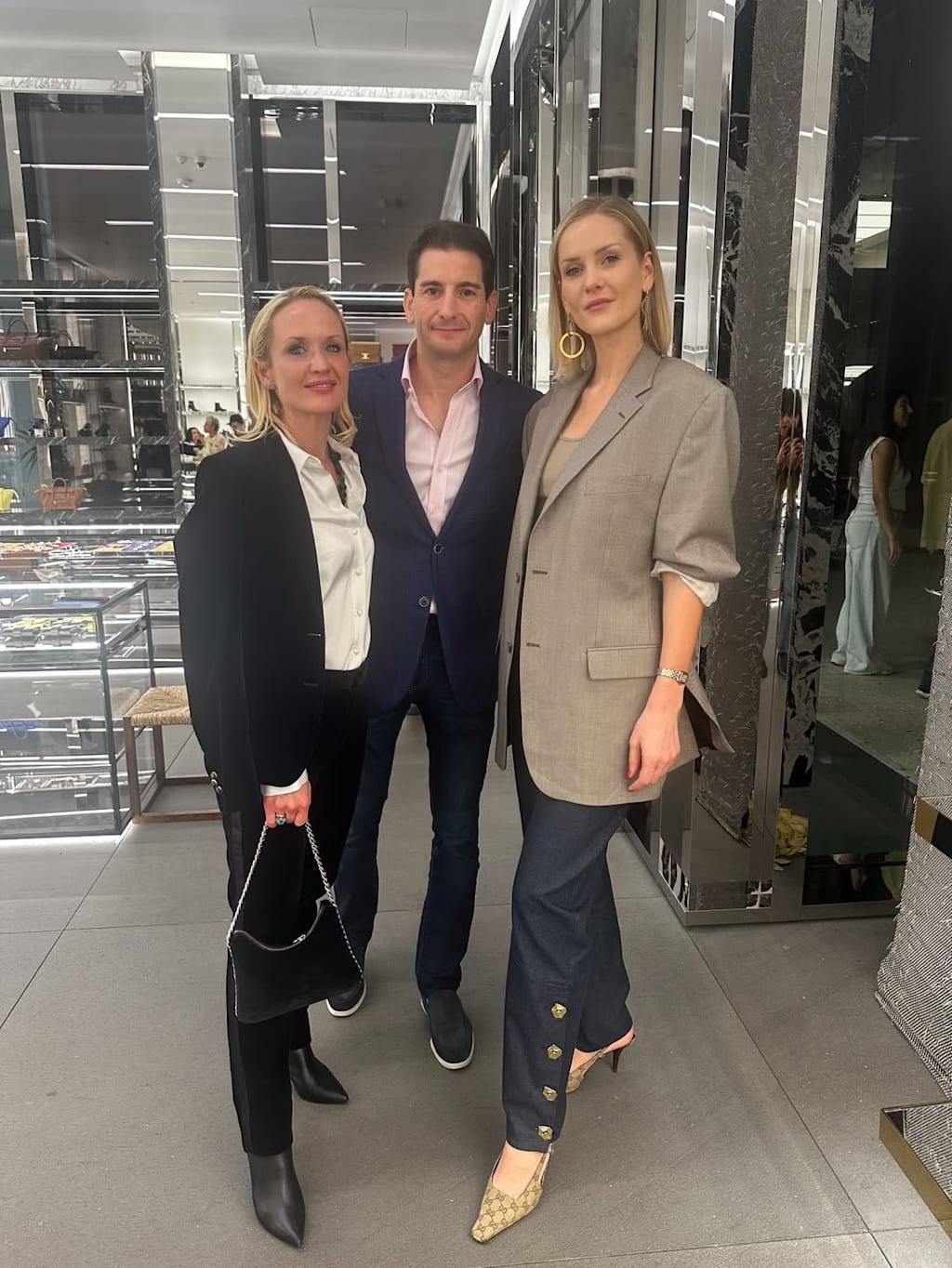
Among professional women across industries, the conversation around personal style has shifted from compliance to intention. Rather than dressing to meet an unspoken corporate standard, many women in leadership positions are now treating their wardrobes as deliberate extensions of how they want to be perceived, understood, and remembered in rooms where decisions are made. This shift is not cosmetic — it reflects a broader rethinking of what authority looks like.
Personal style for women in leadership refers to the strategic use of clothing, grooming, and presentation to communicate competence, individuality, and authority in professional settings. Rather than following rigid dress codes, executive women increasingly curate appearance choices that align with their leadership identity, industry context, and personal values, treating style as a functional tool rather than decoration.
For decades, the template for women entering executive spaces was borrowed almost entirely from menswear codes — structured blazers, muted palettes, minimal accessories — designed to signal seriousness within institutions that had rarely seen women at the top. That template served a purpose during a particular era of corporate integration, but it was never designed around how women actually wanted to lead. What is happening now is less a rejection of professionalism and more a recalibration of whose definition of professionalism gets to set the standard.
The Shift From Conformity to Strategic Intention
The earlier generation of executive dressing was largely defensive. Clothing was used to minimize attention, soften perceived difference, and avoid drawing scrutiny in environments where women were still proving they belonged. That defensive posture made sense given the social conditions of the time, but it also meant that style decisions were often reactive rather than considered.
What distinguishes the current moment is intentionality. Women in senior roles are increasingly approaching their wardrobes the way they approach other leadership decisions — with research, context, and long-term thinking. A tailored suit might still anchor a leadership uniform, but the cut, color, and accompanying details are now chosen to reflect personality and sector norms rather than to disappear into the background. In creative industries, this might mean structured silhouettes paired with unexpected texture or color. In finance or law, it might mean precise tailoring with subtle personal signatures — a particular jewelry choice, an unconventional shoe, a recognizable color palette that becomes part of one's professional identity over time.
This evolution mirrors a wider cultural recognition that visibility and authority are not in conflict. Where earlier corporate culture often treated visibility as a liability for women — something that invited bias or undermined credibility — many executive women now understand that a consistent, well-considered presentation can reinforce authority rather than distract from it.
Why Authority and Appearance Are More Connected Than Often Acknowledged
Workplace research has long observed that appearance functions as a form of nonverbal communication, particularly in first encounters and high-stakes settings such as board meetings, client pitches, and public appearances. This is not a statement about fairness — it is a description of how perception operates in professional environments. Leaders are assessed, often unconsciously, within seconds, and clothing forms part of that initial read alongside posture, tone, and demeanor.
What has changed is the conversation around what that perception should reflect. Rather than treating appearance as something to neutralize, many women in leadership now treat it as an opportunity to reinforce specific qualities they want associated with their leadership — precision, warmth, creativity, discipline, or approachability, depending on the context and the individual. A women's wardrobe consultant working with executive clients will often describe this process not as transformation, but as alignment: matching outward presentation with the leadership qualities a person already possesses, so that appearance stops working against them and starts working with them.
This is also where the language around image consulting has shifted. Where the term once carried connotations of superficial polish, it is increasingly understood within executive circles as a form of professional strategy — closer to communications consulting than to fashion advice. The goal is rarely to follow trends. It is to clarify a personal visual language that remains consistent across formats, from in-person meetings to video calls to public speaking engagements.
Regional Influence: How Miami Shapes Executive Style Differently
Geography continues to play a meaningful role in how professional style is interpreted, and Miami offers a particularly distinct case study. Unlike the more conservative dress codes traditionally associated with executive culture in New York or Chicago, Miami's professional environment has long accommodated a blend of international influence, climate-driven practicality, and a more expressive relationship with color and silhouette.
Executive women based in Miami frequently navigate a wardrobe that must function across multiple registers in a single day — a morning client meeting in Brickell, an afternoon industry event in the Design District, an evening engagement where South Florida's hospitality and entertainment sectors intersect with finance and real estate. This versatility has shaped a style approach that favors tailored pieces with breathable fabrics, lighter palettes suited to the climate, and a willingness to incorporate texture and color in ways that might read as too bold in more traditionally conservative corporate markets.
Miami's position as a hub for international business has also normalized a wider range of executive presentation. Latin American, European, and Caribbean influences are visible in how local business culture approaches dress, often favoring a more polished, fashion-forward sensibility than the understated minimalism associated with some northeastern corporate environments. For women in leadership within this market, that cultural blend creates more room to express personal style without it being read as unprofessional, provided the foundation of fit, quality, and intentionality remains strong.
The Role of Wardrobe Strategy in Career Visibility
As organizations continue to grapple with representation at senior levels, personal style has taken on a quieter but significant role in how women navigate visibility within their careers. Promotion conversations, leadership transitions, and public-facing roles often coincide with a recalibration of personal presentation — not because appearance determines competence, but because consistent, intentional presentation can reinforce the perception of readiness for greater responsibility.
This is where the value of a structured wardrobe strategy becomes clear, particularly during career inflection points such as a promotion to an executive committee, a transition into a public-facing leadership role, or the launch of a new venture. A well-considered wardrobe makeover at these moments is rarely about replacing one's identity. It tends to function more like an audit — identifying which pieces already serve the desired professional narrative, which create friction or inconsistency, and which gaps need to be filled to support the range of contexts a leadership role now demands.
Many women in senior roles describe reaching a point where the cumulative effect of small, ad hoc wardrobe decisions no longer matches the scale of their responsibilities. A closet built incrementally over years of early-career roles often does not translate efficiently into the demands of board presentations, media appearances, or international travel. This is less a matter of taste and more a matter of logistics — having the right foundational pieces, in the right proportions, suited to a leadership calendar that may shift several times within a single week.
The Influence of Visual Communication in a Digital-First Professional Landscape
The rise of video conferencing, executive social media presence, and public-facing leadership roles has added another layer to how personal style functions professionally. Where appearance was once primarily evaluated in physical rooms, it is now consistently visible across digital platforms — investor calls, LinkedIn appearances, panel discussions, and recorded presentations.
This digital visibility has heightened the importance of consistency. A leadership wardrobe today is increasingly built to perform well across mediums: structured enough to read clearly on camera, distinctive enough to reinforce personal brand recognition over time, yet flexible enough to adapt to in-person settings with different lighting, formality levels, and audience expectations. Color choices that translate poorly on screen, for instance, or accessories that create distracting reflections during video calls, have become practical considerations that did not factor into executive dressing a decade ago.
This digital dimension has also accelerated demand for professional guidance among women navigating increased visibility. An image consultant working with executive clients today is as likely to be asked about on-camera presentation as about in-person tailoring, reflecting how thoroughly digital communication has merged with traditional in-person professional presence.
Moving Beyond Trends Toward Personal Visual Language
Perhaps the most significant shift in how women in leadership approach style is the move away from chasing seasonal trends and toward developing what might be called a personal visual language — a consistent set of choices around color, silhouette, fabric, and accessory that becomes recognizable over time and reinforces a leader's professional identity independent of fashion cycles.
This approach treats style decisions the way a brand might treat its visual identity: not as a constantly shifting set of choices, but as a deliberate system designed for recognition, consistency, and longevity. A signature color palette, a preferred silhouette for tailoring, a consistent approach to accessories — these become part of how colleagues, clients, and industry peers recognize and remember a leader, much like a well-known voice or communication style.
This is a markedly different philosophy from the trend-driven approach often associated with general fashion media, and it reflects a more mature understanding of what personal style accomplishes in a professional context. The objective is not to look fashionable in a given season. It is to look unmistakably, consistently like oneself in a way that reinforces credibility and memorability across years, not months.
A More Deliberate Relationship Between Identity and Image
What emerges from this broader shift is a more deliberate relationship between identity and image among women in leadership — one that treats personal style as neither superficial nor incidental, but as a legitimate component of professional strategy. This does not mean appearance outweighs substance; competence, judgment, and results remain the foundation of any leadership position. What has changed is the recognition that how that competence is communicated visually carries real weight, and that ignoring this dimension does not make it neutral — it simply leaves it unmanaged.
As more women move into senior leadership roles across industries and markets like Miami continue to model a more expressive, internationally influenced approach to executive presentation, personal style is likely to remain an evolving conversation rather than a settled formula. What seems clear is that the era of women dressing primarily to minimize attention in professional spaces is giving way to one where style is treated as a considered, strategic, and individual expression of leadership itself.
About the Creator
Elsab Styling
At ElsaB Styling, we specialize in providing bespoke, high-end personal styling services for high-net-worth individuals, CEOs, executives, and VIPs.
Enjoyed the story? Support the Creator.
Subscribe for free to receive all their stories in your feed.
Comments
There are no comments for this story
Be the first to respond and start the conversation.