
How to Maintain and Extend the Lifespan of Your Steel Livestock Buildings?
Essential Tips for Keeping Your Steel Livestock Buildings Strong and Long-Lasting
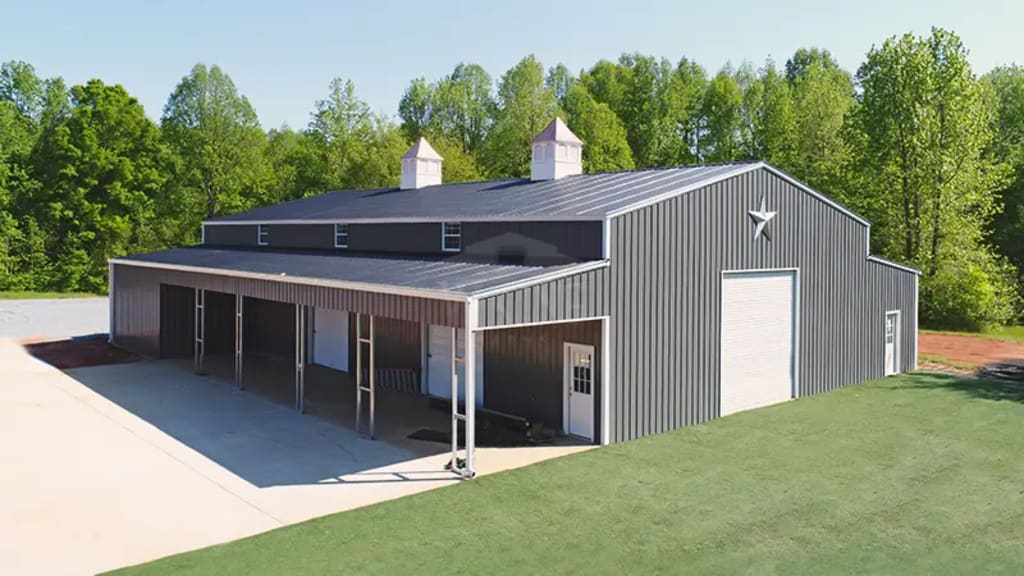
Family-owned farms in the USA account for more than 90%. They own different livestock to produce the majority of hay, poultry, and eggs for business. Most of them use steel livestock buildings because of various benefits. These steel structures provide safe space for your hens, cattle, goats, horses, mules, and other livestock and also fit the storage requirements.
But, steel barns for livestock can deteriorate with time if not maintained properly. Without the manufacturer’s recommended maintenance guidelines, metal buildings can wear out with time, become home to small insects that can harm livestock, and damage hay and crops kept inside the building. You can easily extend the lifespan of your metal barn and get the most out of your investment.
Here are some effective ways to care for steel buildings and extend their lifespan.
What Are Steel Livestock Buildings?
Steel livestock buildings are strong and durable structures used for livestock farming. Generally, metal barns are used for this purpose because they are easier to install and more economical than other materials. Moreover, you can customize the buildings according to your needs and create proper feeding, watering, and animal roaming areas.
However, the building must be maintained effectively to improve its lifespan. If care is done correctly, the steel building can be the best place for your livestock for many years.
Livestock Metal Building: 10 Simple Solutions to Keep It Tip-Top
Your steel livestock building is an investment that can benefit you in several ways if you maintain it correctly. This is not difficult because you only have to make it a routine and plan your weeks. It will help you follow the maintenance steps below.
1. Regularly Inspect for Longevity:
Regular inspection alerts you to wear and tear early on, allowing you to handle the situation on time and save expenses from heavy repairs. Look for cracks, loose bolts, rust, and corrosion to fix the issues proactively. This step effectively curbs structural damage before it occurs. Use a checklist and focus on high-risk areas.
2. Clean Gutters and Downspouts:
Accumulation around the structure can lead to rust and erosion. It often happens when gutters and downspouts are not cleaned on time. Use a sturdy ladder to climb on the roof and inspect water accumulation. Use a plastic gutter scoop or trowel to remove large debris. Moreover, downspouts should be clear for easy water flow.
3. Check Roof and Side Walls:
Regularly inspect the roof and walls for damage. Often, debris accumulates after heavy winds, snowfall, and rain and leads to water clogs. The debris can also get stuck in the downspouts and block gutters. Also, check the side walls of the roof for cracks or any other damages due to weather conditions.
4. Apply Protective Coatings
Protective coatings are the first line of defense for a steel livestock building. They protect metal barns from corrosion and make them capable of standing firm for many more decades. Follow surface preparation standards suitable for the building's damage. For high-humidity areas, a zinc-epoxy-urethane system is the most suitable option for coating. Epoxy coating systems work well in moderate corrosion conditions.
5. Ensure Proper Drainage:
Water accumulation around the building foundation can cause structural damage and affect the average lifespan of your steel livestock buildings. You can prevent the building from weakening by cleaning water clogs near the foundation. Ensure that the ground slopes are away from the building and that downspouts properly direct water. So, regularly inspect for any blockages near the foundation.
6. Tighten Up Bolts and Fasteners:
Over time, bolts and fasteners can loosen due to temperature changes. This can lead to structural shifts, collapses, and damage to livestock in the building. Regularly check and tighten all the bolts and fasteners to avoid structural deformity. If you are confused about how many bolts and fasteners are used to construct a building, give names to the areas in the building and carry a notebook. It will help you note the status of inspecting them.
7. Fix Cracks on Time:
Cracks can be an easy way for termites, rats, and other insects to get in. If you have chickens in the building, these insects can create problems for them. They can contaminate food for livestock. Moreover, they can harm the building by creating spaces from the ground to go out. Figuring out cracks on time not only helps to stop these little creatures from getting in but also protects the foundation of the building.
8. Keep Ventilation Systems Accurate:
Proper ventilation in steel barns for livestock controls moisture build-up inside the building. Before starting to install the steel structure, thoroughly understand your ventilation options. This way, you can control rust and let your animals breathe poorly. Regularly check and clean vents, fans, and ventilation ducts to ensure they function properly. Moreover, the windows should be kept open so air can pass through and maintain a quality atmosphere for animals and staff.
9. Prevent Physical Damage:
To prevent physical damage to the building, keep livestock and equipment away from the walls, doors, and corners. It will keep the walls in good condition and avoid accidental equipment falls. Besides that, you are responsible for the animals you nurture inside the metal barn. So, keep any dangerous equipment away from them as well.
10. Contact Professionals:
If you notice any damage to the steel structure you can’t handle, approach professionals before it becomes a big problem. For structural repairs and roof replacements, contacting professionals helps to fix the problem impeccably. This ensures the building remains durable and functional in the long run. Search for the top metal dealers who also provide maintenance services.
A Well-maintained Building for Decades to Come
Yes, you can ensure the longevity of your steel livestock building for several years. However, proper maintenance is a must to ensure this. Think about the maintenance requirements from the very first day of installation so that you can add the building accordingly. Regularly check your steel structure to fix problems on time and avoid big issues. If you live in extreme weather regions, you may need to inspect the building frequently. So, consider all the ways of maintaining a steel barn effectively and extending its lifespan by years.
About the Creator
Viking Barns
Experience unmatched quality and craftsmanship with Viking Barns, the leading metal barn dealer in the USA. Our extensive range includes 100% American manufactured continuous roof barns, step-down barns, Seneca barns, and more.
Enjoyed the story? Support the Creator.
Subscribe for free to receive all their stories in your feed.
Comments
There are no comments for this story
Be the first to respond and start the conversation.