
How To Handle Emergency Heating Repair Like a Pro
Master basic emergency heating repairs and know when to call the pros for a hassle-free winter
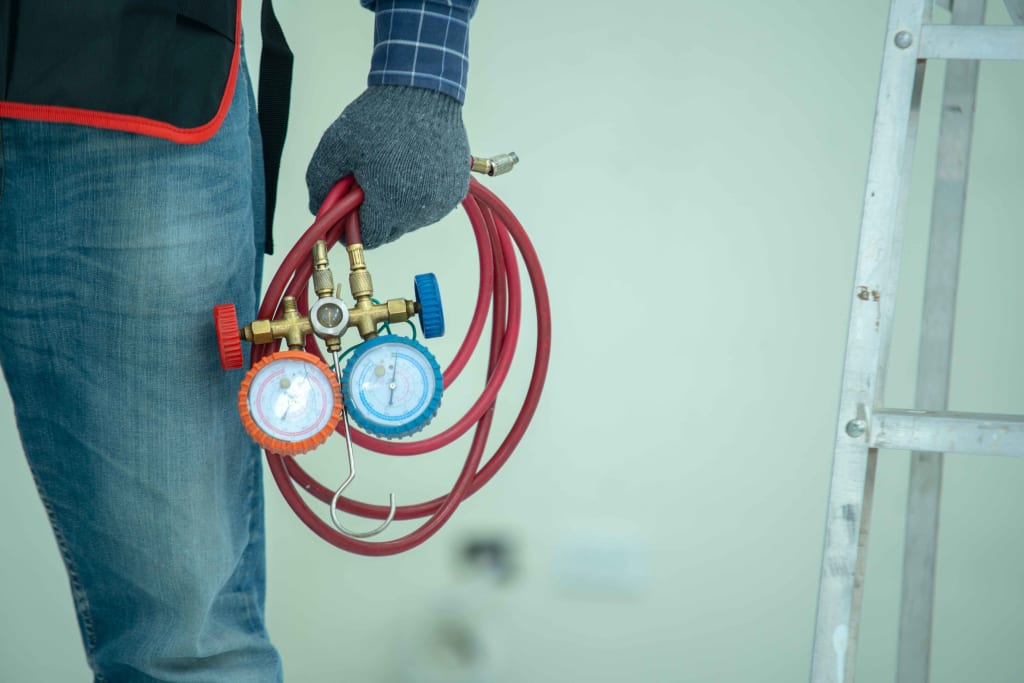
Description: Learn how to handle emergency heating repair like a professional. Our simple guide offers step-by-step instructions to help you troubleshoot and fix heating issues safely and efficiently.
Introduction: Why Knowing How to Handle Emergency Heating Repair Matters
When your heating system breaks down in the middle of winter, it can feel like a nightmare. Emergency heating repair situations can be stressful, but with a bit of knowledge and preparation, you can handle them like a pro. Whether it's a sudden heating failure or unusual noises coming from your system, understanding the basics can save you time, money, and frustration.
In this guide, we'll walk you through some easy steps to troubleshoot and potentially fix your heating system in an emergency. Remember, while there are some issues you can handle on your own, always know when to call in the professionals for more serious problems.
H1: Steps To Take When Your Heating System Fails
H2: 1. Stay Calm and Assess the Situation
The first thing you need to do is stay calm. Panicking won’t help, and it may cause you to overlook simple solutions. Here’s how to assess the situation:
Check the thermostat: Make sure it’s set to "heat" and at the correct temperature. It might sound obvious, but sometimes the thermostat gets accidentally switched off.
Look for any error codes: Some modern heating systems will display error codes or lights. Check your user manual for any troubleshooting tips based on the codes.
Check for power issues: Is your heating system plugged in? Are the circuit breakers in the right position? You’d be surprised how many issues stem from something as simple as a tripped breaker.
H2: 2. Troubleshoot Basic Problems
Before calling for professional help, try some simple troubleshooting steps. Here’s what you can do:
Replace the air filter: A clogged air filter can block airflow and cause heating problems. If the filter looks dirty, replace it and see if that solves the issue.
Check the furnace pilot light: If your furnace has a pilot light, check if it’s on. If not, follow the instructions in your manual to safely relight it.
Look for gas or water leaks: In the case of gas-powered heaters or boilers, always check for leaks around the pipes. If you smell gas, turn off the gas supply immediately and contact a professional.
H2: 3. Be Aware of Common Heating Problems
Sometimes, you might come across common heating problems that are easy to fix:
Blower keeps running: If your blower fan keeps running, it could be a sign of a faulty limit switch or a problem with the thermostat.
No heat at all: If your furnace or heat pump is running, but there's no heat, the issue could be a broken heat exchanger or a malfunctioning valve.
H1: When to Call a Professional Heating Repair Expert
H2: 1. If You Smell Gas or Hear Strange Noises
If you smell gas or hear strange noises like banging, whistling, or clanking from your furnace, it’s time to call a professional. These could be signs of a more serious issue, such as a gas leak or malfunctioning components that require immediate attention.
H2: 2. If Your System Is Leaking Water
A water leak in your heating system is not only a sign of a bigger problem but also a potential health hazard. Water damage can lead to mold growth and costly repairs. If you spot any leaks, call a pro right away.
H2: 3. If You’ve Already Tried Basic Fixes
If you’ve gone through all the basic troubleshooting steps and your system still isn’t working, it’s best to call an expert. Sometimes, the issue is something complex that requires specialized tools and expertise to fix.
H1: Preventing Future Heating Failures
H2: 1. Schedule Regular Maintenance
One of the best ways to avoid emergency heating repairs is by scheduling regular maintenance. Having a professional service your system once a year can help catch problems early and keep your system running efficiently.
H2: 2. Replace Filters Regularly
Changing your air filters every 1-3 months will ensure that your heating system doesn’t have to work harder than necessary, reducing the risk of breakdowns. Clean filters allow for better airflow, which leads to more efficient heating.
H2: 3. Insulate Your Home
Poor insulation can put unnecessary strain on your heating system, leading to higher energy bills and potential breakdowns. Make sure your home is properly insulated, especially in areas like windows, doors, and the attic.
H1: Conclusion: Handling Emergency Heating Repair With Confidence
Dealing with an emergency heating repair can be overwhelming, but by staying calm and following these basic steps, you’ll be prepared for most situations. Remember, some issues are easy to fix on your own, but always know when it’s time to call in the professionals. By staying proactive with regular maintenance and simple home upgrades, you can prevent future emergencies and keep your heating system running smoothly.
Final Thoughts: With these tips in hand, you can tackle emergency heating repair with the confidence of a seasoned pro. Whether it’s a quick fix or a need for expert help, your home will stay warm and cozy, no matter what the winter throws your way.
FAQ Section
Q1: How do I know if I need to call a heating repair technician?
If you’ve tried basic troubleshooting steps, such as checking the thermostat or replacing the air filter, and your heating system still isn’t working, it’s time to call a professional. Other signs, like strange noises, gas smells, or water leaks, are also indicators that you need expert help.
Q2: How often should I schedule heating maintenance?
It’s recommended to schedule professional heating maintenance once a year. This will help catch minor issues before they become big problems, ensuring your system runs efficiently throughout the colder months.
Q3: Can I fix my heating system on my own?
There are a few basic troubleshooting steps you can do yourself, such as replacing the air filter or checking the thermostat. However, for more serious issues like gas leaks or malfunctioning components, it’s best to call a professional.
About the Creator
Enjoyed the story? Support the Creator.
Subscribe for free to receive all their stories in your feed.
Comments
There are no comments for this story
Be the first to respond and start the conversation.