
How Technology is Reshaping the Music Industry
music
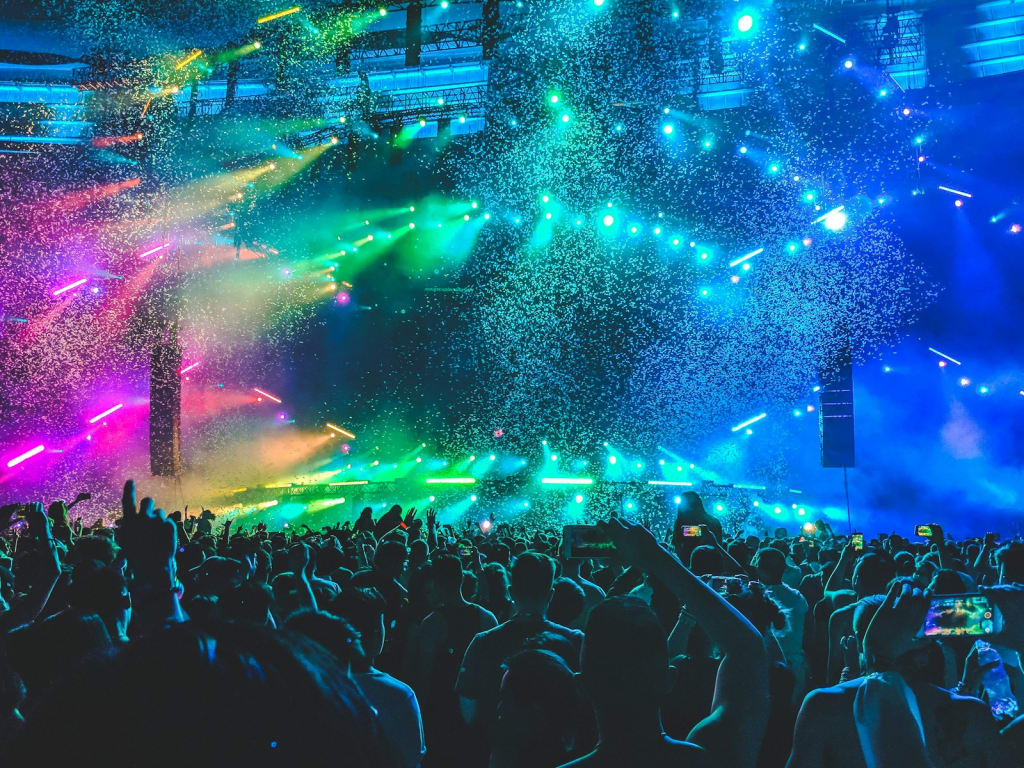
The music industry has witnessed a profound transformation over the years, driven largely by advancements in technology. From vinyl records to CDs, and now to streaming platforms, technology has revolutionized how music is produced, distributed, and consumed. This shift has created new opportunities for artists, redefined the role of record labels, and offered unparalleled convenience to listeners. In this article, we explore how technology has reshaped the music industry, the trends it has sparked, and the challenges it poses.
The Rise of Streaming Platforms
Streaming platforms have emerged as the primary way people consume music today, replacing physical formats and downloads. With a simple subscription, listeners now have access to millions of songs at their fingertips. Among these platforms, Spotify stands out as one of the most popular. If you're curious about who has the most listeners on Spotify, the answer reveals much about current music trends and listener preferences.
Spotify has also changed the financial model of the industry by offering both free and premium subscriptions. Many users choose the premium model for its ad-free experience, high-quality audio, and offline playback. Understanding Spotify charges is key to getting the best value from the platform. For artists, Spotify provides a global reach, allowing independent musicians to find an audience without needing a traditional record label.
Data-Driven Decisions in Music
The digital age has introduced advanced analytics, enabling artists, labels, and streaming platforms to make informed decisions. Platforms like Spotify gather data on listener habits, such as preferred genres, the time of day people listen to music, and even which playlists are most popular. These insights allow artists to tailor their releases to their audience's preferences and boost their visibility.
For example, tracking which artist or album ranks as the highest selling album of all time can help music marketers understand what type of content resonates most with listeners. Similarly, data has allowed artists to release tracks strategically, aligning their launches with trends and demand.
However, there’s a downside to this data-driven approach. Some argue that it encourages formulaic music, where artists create tracks designed to "game the algorithm" instead of focusing on creativity and innovation. Despite this, data remains an invaluable tool for emerging and established artists alike.
The Democratization of Music Production
One of the most significant impacts of technology on the music industry is the democratization of music production. Gone are the days when artists needed access to expensive studios to record their music. Today, with a laptop, software, and some basic equipment, anyone can produce professional-quality tracks. This has leveled the playing field, making it easier for independent artists to compete with major labels.
Take Indian artist Ikka Singer, for example. He has carved out a niche in the music industry by using technology to reach a wide audience. His journey demonstrates how artists can use digital tools and streaming platforms to grow their careers without relying entirely on traditional industry structures.
Social media platforms like Instagram, YouTube, and TikTok have also played a significant role in helping artists gain visibility. Viral trends and challenges tied to songs have boosted streams and catapulted previously unknown tracks to global fame. This interconnected digital ecosystem allows artists to engage directly with fans, fostering loyalty and interaction.
The Importance of Lyrics in the Digital Age
Lyrics have always been a crucial aspect of music, but in the digital age, their significance has grown even more. With easy access to streaming, listeners often analyze and share lyrics that resonate deeply with them. Songs like those featuring Aksar lyrics exemplify how meaningful writing can connect with an audience on an emotional level.
Additionally, lyric videos have gained immense popularity on platforms like YouTube, providing fans with a visual and textual experience of their favorite songs. These videos have become an essential part of promoting new music, as they are relatively easy to produce and generate millions of views. By blending poetic depth with catchy melodies, artists can create songs that stand out in a competitive digital marketplace.
Challenges Facing the Music Industry
While technology has brought numerous benefits to the music industry, it has also introduced challenges. One of the primary concerns is the issue of fair compensation. Streaming platforms pay artists based on the number of streams their songs receive, but many argue that these payouts are insufficient, especially for smaller artists.
Piracy remains another challenge, even in the era of streaming. Though platforms like Spotify have made music more accessible and affordable, illegal downloads and unauthorized sharing still affect artists' revenues. Moreover, the emphasis on streaming has reduced the value of physical album sales, which once formed a significant part of an artist’s income.
Another issue is the oversaturation of the market. With millions of tracks available online, it can be difficult for new artists to stand out. Algorithms and playlists often favor well-established names, making it harder for independent musicians to gain traction without significant marketing efforts.
Conclusion
Technology has profoundly reshaped the music industry, making it more accessible, data-driven, and global than ever before. From the rise of streaming platforms like Spotify to the democratization of music production, these advancements have empowered artists and listeners alike. However, challenges such as fair compensation and market saturation remain pressing issues that the industry must address.
What do you think about the role of technology in the music industry? Share your thoughts in the comments below!
About the Creator
Enjoyed the story? Support the Creator.
Subscribe for free to receive all their stories in your feed.
Comments
There are no comments for this story
Be the first to respond and start the conversation.