
How Private Wardrobe Curators Approach Clothing Organization and Selection
Inside the structured approach to modern wardrobe management

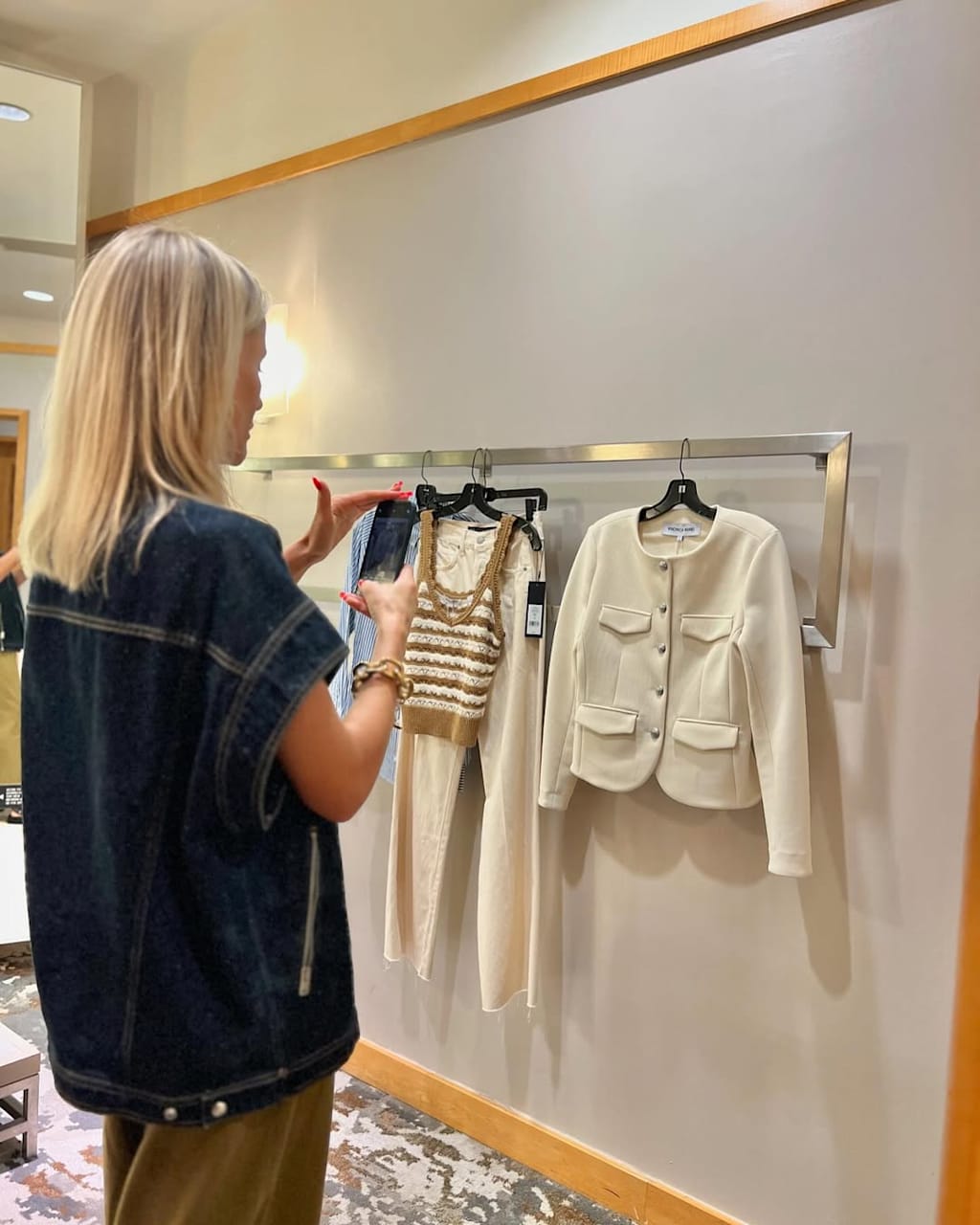
Modern wardrobes often reflect more than personal taste; they mirror lifestyle patterns, professional demands, and evolving ideas about consumption. Within this context, the role of private wardrobe curators has gained attention for the structured and methodical way they approach clothing organization and selection. Rather than treating a wardrobe as a static collection of garments, their approach reframes it as a dynamic system that must function efficiently, adapt seasonally, and align with an individual’s daily life.
At its core, wardrobe curation is not about abundance or minimalism alone. It is about clarity—ensuring that every piece in a wardrobe serves a purpose, fits within an intentional structure, and contributes to a cohesive visual and functional identity. This system-driven perspective distinguishes professional wardrobe curation from casual decluttering or style experimentation.
The Systematic Philosophy Behind Wardrobe Curation
Private wardrobe curation begins with a foundational principle: clothing is treated as a managed collection rather than an emotional accumulation. This shift in perspective allows for decisions that prioritize function, repetition, versatility, and coherence.
Instead of evaluating garments in isolation, curators assess how each item interacts with the broader wardrobe system. This includes examining how often pieces are worn, how easily they combine with others, and how effectively they support different contexts such as professional environments, travel, leisure, or formal occasions.
A key aspect of this philosophy is intentional limitation. Not in the sense of restriction, but in the sense of reducing redundancy. Multiple similar items often serve the same function, creating visual and functional overlap. Wardrobe curators aim to streamline these overlaps, ensuring that each category of clothing has distinct and purposeful representation.
Another important principle is adaptability. Wardrobes are expected to function across seasons, life transitions, and shifting style preferences. This requires a structure that is flexible rather than fixed, allowing garments to rotate in and out without disrupting the overall system.
Categorization as the Foundation of Order
One of the most defining aspects of private wardrobe curation is categorization. Clothing is rarely organized by simple visual grouping alone; instead, it is divided into functional, contextual, and structural categories.
Functional categorization often includes everyday wear, professional attire, occasion wear, loungewear, and outerwear. However, within these broader groups, further refinement is applied. For example, professional clothing may be segmented into client-facing attire, internal work settings, and travel-appropriate business wear.
Context-based categorization is equally significant. This approach considers where and how often garments are worn. Items suited for urban environments may be separated from those intended for resort, leisure, or climate-specific use. This helps ensure that clothing choices are not only aesthetically aligned but also practically relevant.
Material and maintenance considerations also influence categorization. Delicate fabrics, high-maintenance garments, and durable everyday pieces are typically organized in ways that reflect their care requirements. This prevents wear imbalance and supports longevity.
Color coordination plays a subtle but important role in categorization. While not always the primary organizing principle, color groupings often help establish visual harmony within the wardrobe, making it easier to construct outfits quickly and consistently.
Through these layered systems of categorization, wardrobes become structured frameworks rather than loosely connected collections of clothing.
The Editing Process: Refinement Over Removal
Editing is often misunderstood as a process of reduction, but within wardrobe curation, it is more accurately described as refinement. The goal is not simply to eliminate excess but to evaluate relevance and performance.
Each garment is assessed based on multiple criteria, including frequency of use, fit consistency, versatility, and alignment with current lifestyle needs. Items that no longer serve a clear purpose are identified not as failures but as past utilities that have completed their role within the wardrobe cycle.
A significant aspect of this process involves identifying duplication. Multiple items that perform nearly identical functions often dilute wardrobe efficiency. By retaining the strongest or most adaptable version of a category, curators streamline decision-making and improve usability.
Another important factor is emotional detachment from clothing ownership. While garments may carry sentimental value, wardrobe systems prioritize function over memory. However, this does not imply disregard for emotional attachment; rather, it encourages a balanced approach where select meaningful items are preserved intentionally rather than accumulating unintentionally.
Fit consistency is also a critical consideration. Clothing that no longer aligns with the wearer’s body shape or comfort expectations is typically reassessed. Instead of treating fit changes as temporary inconveniences, wardrobe curation recognizes them as indicators for system adjustment.
Ultimately, the editing process is cyclical. It is not a one-time event but a recurring evaluation that ensures the wardrobe remains aligned with present needs rather than past conditions.
Maintenance and Seasonal Reorganization
A well-curated wardrobe is not static; it requires ongoing maintenance. This includes seasonal rotation, garment care management, and periodic reassessment of structure.
Seasonal transitions are particularly significant. Rather than allowing all garments to remain equally accessible year-round, wardrobe curators reorganize storage based on seasonal relevance. This reduces visual clutter and ensures that only seasonally appropriate items influence daily decisions.
Maintenance also involves tracking garment condition. Clothing is routinely evaluated for wear patterns, fabric fatigue, and structural integrity. This allows for timely repairs, replacements, or repositioning within the wardrobe hierarchy.
Another key aspect is spatial organization. Storage systems are designed to reflect frequency of use. High-rotation items are kept more accessible, while occasional-use pieces are stored in secondary zones. This hierarchy reduces decision fatigue and streamlines dressing routines.
Wardrobe maintenance also includes recalibrating categories as lifestyles evolve. Changes in profession, travel frequency, or social engagements can alter clothing requirements. A structured wardrobe system remains adaptable to these shifts, ensuring long-term relevance.
In many cases, maintenance is less about physical reorganization and more about conceptual alignment. It ensures that the wardrobe continues to represent current realities rather than outdated patterns of use.
The Psychology of Clothing Selection
Wardrobe curation extends beyond physical organization into the psychology of decision-making. Clothing selection is closely tied to cognitive load, identity expression, and behavioral patterns.
A well-structured wardrobe reduces decision fatigue by limiting unnecessary choices. When each category is clearly defined and redundancies are minimized, selecting an outfit becomes a more intuitive process. This supports consistency and reduces daily friction.
Identity alignment is another psychological dimension. Clothing often reflects professional identity, social positioning, and personal evolution. Wardrobe curators consider how clothing choices reinforce or distort these identities. The goal is coherence between internal self-perception and external presentation.
There is also a behavioral component. Repeated clothing choices often form habitual patterns. By analyzing these patterns, curators can adjust wardrobe composition to better support preferred routines, whether that involves efficiency, creativity, or versatility.
Interestingly, the psychological impact of organization itself plays a role. A structured wardrobe can influence perception of control and clarity in other areas of life. While not a direct focus of curation, this outcome is frequently observed in well-maintained systems.
The psychological dimension of wardrobe management reinforces the idea that clothing is not only functional but also deeply integrated into daily cognitive processes.
Contemporary Relevance and Evolving Wardrobe Systems
In modern contexts, wardrobe curation has evolved alongside shifts in lifestyle, work environments, and consumption habits. Remote work, hybrid schedules, and increased mobility have all influenced how clothing is selected and organized.
One notable trend is the emphasis on multifunctionality. Clothing is increasingly expected to serve multiple contexts, reducing the need for highly segmented wardrobes. This aligns well with the curator’s approach of prioritizing versatility and reducing redundancy.
Another development is the growing awareness of sustainability. While wardrobe curation is not inherently a sustainability practice, its principles naturally align with reduced consumption and extended garment use. By optimizing existing wardrobes, unnecessary purchasing is often minimized.
Digital tools and visual tracking systems have also influenced wardrobe management. Some curators use inventory mapping methods to track clothing usage patterns over time, allowing for data-informed decisions about retention and replacement.
There is also a shift in aesthetic priorities. Instead of trend-driven accumulation, many wardrobes are moving toward cohesive visual systems built around color harmony, fabric consistency, and adaptable silhouettes. This reflects a broader movement toward intentional dressing.
In this evolving landscape, the role of a Private Wardrobe Curator becomes increasingly relevant as individuals seek structured, system-based approaches to managing clothing with clarity and intent.
Despite these changes, the core principles remain consistent. Organization, evaluation, adaptability, and system-based thinking continue to define the practice of private wardrobe curation.
Conclusion
Private wardrobe curation represents a structured and thoughtful approach to clothing management that extends beyond aesthetics. It transforms wardrobes into functional systems designed to support clarity, efficiency, and adaptability.
Through categorization, refinement, maintenance, and psychological awareness, wardrobe curators create environments where clothing serves a defined purpose rather than existing as an unstructured collection. This approach reflects broader cultural shifts toward intentional living and mindful consumption, where systems are valued as much as style.
As wardrobes continue to evolve alongside modern lifestyles, the principles of curation offer a framework for maintaining order, relevance, and coherence in an increasingly complex relationship with clothing.
About the Creator
Elsab Styling
At ElsaB Styling, we specialize in providing bespoke, high-end personal styling services for high-net-worth individuals, CEOs, executives, and VIPs.
Enjoyed the story? Support the Creator.
Subscribe for free to receive all their stories in your feed.
Comments
There are no comments for this story
Be the first to respond and start the conversation.