
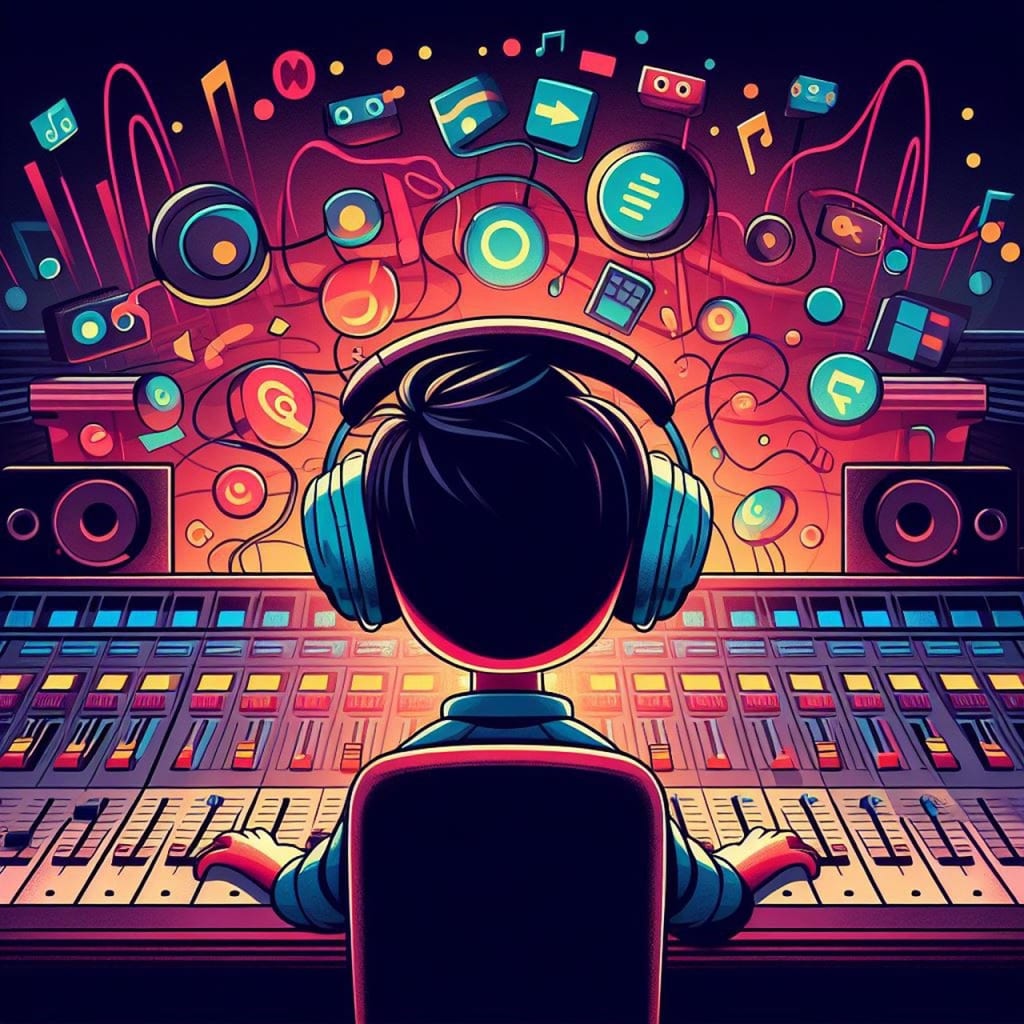
Music has always been a cornerstone of culture, reflecting the values, emotions, and stories of societies across the globe. From the melodic storytelling of the most popular Japanese singers to the electrifying beats of Max Martin songs, music transcends boundaries, connecting people from all walks of life.
This article explores how music influences culture and vice versa, highlighting the contributions of producers, songwriters, and performers to this global phenomenon. Events like the Marshmello concert in India and the stories of iconic creators illustrate music’s transformative power.
The Universal Language of Music
Music’s ability to communicate emotions and ideas without words makes it a universal language. The most popular Japanese singers, for instance, blend traditional and modern styles, creating music that resonates with international audiences.
Their artistry transcends language barriers, introducing global listeners to Japan’s cultural heritage. Similarly, songs by artists like Adele or The Weeknd evoke emotions universally, proving music’s power to connect people.
Music as a Cultural Time Capsule
Throughout history, music has served as a reflection of cultural moments:
Protest Songs: Tracks like Bob Dylan’s "The Times They Are A-Changin’" encapsulate the spirit of social movements.
Pop Culture Anthems: Tracks such as Max Martin songs like Taylor Swift’s "Shake It Off" capture the energy and trends of their time.
By documenting societal values and emotions, music becomes a time capsule, offering future generations a glimpse into the past.
Producers as Cultural Innovators
Producers are integral to shaping music that reflects and influences culture. The music producer salary reflects their vital role in crafting sounds that resonate with audiences worldwide.
Visionaries like Max Martin not only create chart-topping hits but also push the boundaries of what music can achieve. By blending diverse influences, producers ensure that music remains relevant and innovative, fostering cultural exchange and appreciation.
Live Music: A Celebration of Culture
Live music events are more than just performances—they’re cultural celebrations. The Marshmello concert in India showcased the intersection of global EDM culture and India’s vibrant musical landscape. Such events bring people together, creating shared experiences that transcend cultural differences.
Japanese singers, known for their elaborate and theatrical live performances, also use concerts as a platform to celebrate their heritage while engaging international audiences.
The Role of Songwriters in Cultural Storytelling
The best songwriters act as cultural storytellers, weaving themes of love, struggle, and hope into their lyrics. These stories resonate across generations, offering insight into the human condition.
For example:
Leonard Cohen’s "Hallelujah" explores themes of faith and resilience.
Japanese artists like Kenshi Yonezu craft poetic lyrics that reflect personal and societal challenges.
By addressing universal themes, songwriters bridge cultural gaps, making their music accessible to listeners worldwide.
Music as a Catalyst for Social Change
Music has long been a tool for inspiring social change. From the civil rights movement in the United States to global climate change awareness, artists use their platforms to amplify important causes.
Rising artists and established icons alike are leveraging social media and streaming platforms to reach wider audiences, ensuring their messages are heard globally. This trend underscores music’s role as a force for cultural and societal transformation.
Cultural Fusion in Music Trends
Today’s music reflects a melting pot of cultural influences. Collaborations between artists from different backgrounds have led to innovative sounds that celebrate diversity. For example:
Japanese singers frequently incorporate Western pop and EDM elements into their music.
Producers like Max Martin work with artists from various countries, ensuring their music resonates across cultures.
This fusion enriches the music industry, offering listeners a fresh perspective on familiar genres.
The Future of Music and Culture
As technology continues to evolve, the relationship between music and culture will grow even stronger. Virtual concerts, AI-driven compositions, and global streaming platforms are enabling artists to reach audiences like never before.
For instance, Japanese artists have expanded their reach through platforms like Spotify and YouTube, while live events like the Marshmello concert in India demonstrate the potential of music to create shared cultural experiences.
Conclusion
Music is more than just entertainment—it’s a powerful force that shapes and reflects culture worldwide. From the poignant lyrics of the best songwriters to the visionary production of Max Martin songs, every element contributes to this cultural phenomenon.
How has music influenced your understanding of other cultures? Share your experiences in the comments, and let’s celebrate the universal power of music to connect and inspire.
About the Creator
Enjoyed the story? Support the Creator.
Subscribe for free to receive all their stories in your feed.
Comments
There are no comments for this story
Be the first to respond and start the conversation.