
How Miami Boat Charters Reflect the City's Relationship With Water and Leisure
A broader cultural read on why boating is so embedded in Miami's identity

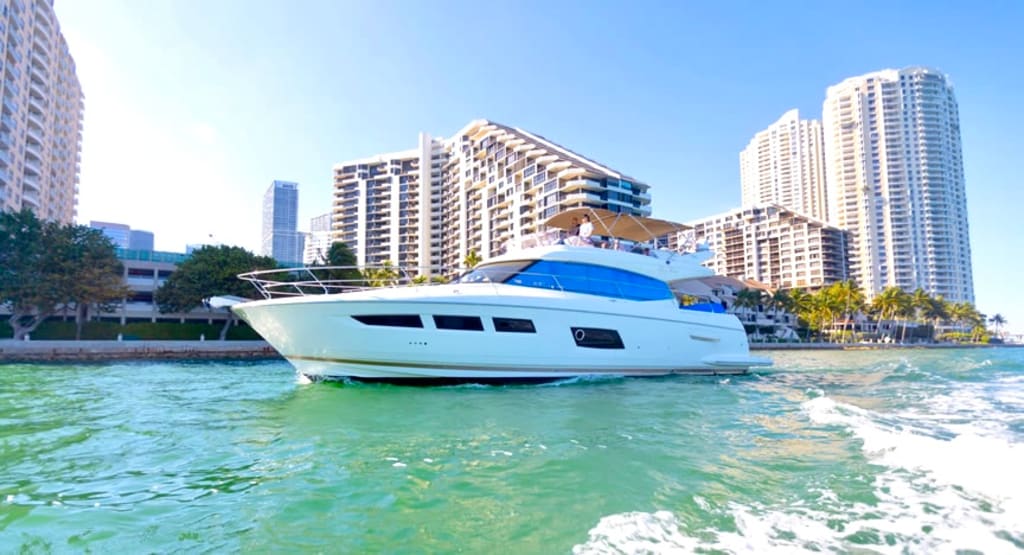
Few American cities are as visibly shaped by water as Miami, and few activities make that relationship as tangible as time spent on a boat. Miami boat charters have become one of the most direct ways residents, visitors, and businesses engage with the city's coastline, but their popularity says less about a single industry and more about how deeply boating culture is woven into Miami's everyday identity.
Miami boat charters refer to short-term rentals of boats or yachts, typically operated with a licensed captain, that allow individuals or groups to access the city's waterways without owning a vessel. They range from small day-cruisers suited to casual outings to larger yachts designed for entertaining, and they serve both leisure travelers and residents seeking regular access to the water.
That definition, however, only explains the mechanics. To understand why chartering a boat in Miami carries different cultural weight than it might in most other American coastal cities requires looking at the geography, history, and social patterns that have made the water inseparable from how Miami functions and how it sees itself.
A City Built Around Its Coastline, Not Beside It
Miami's relationship with water is structural rather than incidental. The metropolitan area is laced with barrier islands, inlets, bay frontage, and a network of canals that means water access is rarely more than a few minutes from almost any neighborhood. Biscayne Bay alone separates the mainland from a chain of islands that includes some of the city's most recognizable real estate, and that geography has shaped transportation, architecture, and zoning decisions for more than a century.
This is different from cities where the waterfront functions as a scenic edge to an otherwise landlocked urban core. In Miami, the water is a parallel infrastructure. Marinas sit adjacent to downtown high-rises. Waterfront access factors directly into property values across Coconut Grove, Coral Gables, and the islands of Biscayne Bay. The city's layout essentially assumes that a meaningful share of its residents and visitors will, at some point, want to be on the water rather than simply near it. Boat charters exist within that assumption rather than apart from it, functioning as an entry point for anyone who wants the experience of being on Biscayne Bay or the Atlantic without the long-term commitment of ownership.
This structural relationship extends to how the city has historically zoned and developed its coastline. Unlike many American port cities where industrial shipping infrastructure once dominated the waterfront before later being repurposed for leisure, Miami's coastline developed leisure and marine-service infrastructure alongside residential and commercial growth almost from the outset. Marinas, boatyards, and charter operations were not retrofitted into a postindustrial waterfront; they grew in tandem with the neighborhoods around them. This explains why marina access in Miami is so evenly distributed across the metropolitan area, from Brickell and the Miami River to Key Biscayne, Dinner Key, and the upper reaches of Biscayne Bay near Aventura, rather than concentrated in a single tourist-facing strip.
Boating as a Social and Economic Tradition, Not a Niche Hobby
In many parts of the country, boating remains a specialized pursuit tied to a relatively narrow demographic of enthusiasts. Miami breaks from that pattern. Boating culture here intersects with nightlife, real estate, hospitality, sports, and even local politics in ways that make it closer to a civic tradition than a niche hobby.
The city's calendar reflects this. Major boating-related events, from the Miami International Boat Show to informal weekend gatherings of vessels anchored off Nixon Beach or Haulover Sandbar, draw participation well beyond dedicated boat owners. Restaurants and bars along the Miami River and Biscayne Bay are designed with docking access built in, treating arrival by water as a normal alternative to arrival by car. This normalization matters because it shifts boat chartering from an occasional luxury indulgence into something closer to a recognized way of experiencing the city, comparable to renting a car for a weekend rather than booking a once-in-a-lifetime excursion.
This pattern also has economic roots. South Florida's marine industry is one of the largest in the country, supporting boat building, yacht brokerage, marina operations, and a dense network of charter companies. That infrastructure did not emerge to serve tourists alone. It developed because a substantial portion of the local population already treated boating as a regular part of life, which in turn made the city a natural hub for chartering, sales, and yacht services aimed at a broader, including international, clientele.
This density of infrastructure also means that Miami's charter market is unusually segmented compared to most coastal destinations. Operators range from small, family-run charter companies offering a handful of center-console boats for fishing or sandbar trips, to brokerage-affiliated yacht charter fleets catering to corporate entertainment and high-end leisure travel. This range allows the market to serve dramatically different budgets and occasions within the same city, often departing from the same handful of marinas within a few miles of one another. Few other American coastal markets support this breadth of charter options at comparable scale, which is itself a reflection of how broadly boating culture extends across Miami's population rather than being confined to a narrow luxury segment.
Why Visitors Gravitate Toward the Water Almost Immediately
For travelers arriving in Miami, the appeal of getting onto the water tends to surface quickly, often within the first day or two of a visit. Part of this is climate-driven. Miami's warm temperatures and abundant sunshine make water-based activity comfortable across most of the year, unlike coastal cities where boating is confined to a short summer window.
Part of it is also visual. Much of what makes Miami recognizable as a destination, including its skyline, its islands, and its contrast between dense urban development and open water, is best appreciated from the water rather than from land. A view of downtown Miami or the Venetian Islands from a boat offers a different sense of scale and context than the same skyline seen from a rooftop bar or a beachfront hotel.
There is also a practical dimension specific to Miami's layout. Traffic congestion across causeways and surface roads, particularly during peak tourist seasons, makes water-based movement an appealing alternative for reaching certain destinations, including waterfront restaurants, sandbars, and outlying islands that are difficult or time-consuming to access by car. For visitors weighing how to spend limited time in the city, chartering a boat often solves both an experiential goal and a logistical one simultaneously.
The timing of a Miami visit also factors into how quickly this interest in chartering surfaces. Winter months bring the highest volume of out-of-town visitors seeking relief from colder climates, and that same period offers some of Miami's calmest water conditions, making it the most reliable stretch for half-day and full-day charter bookings. Summer, while hotter and more prone to afternoon storms, still supports significant charter demand, particularly for shorter morning outings timed around favorable weather windows. This year-round viability, rare among American boating markets that depend heavily on a single peak season, is part of why charter operators in Miami can sustain consistent business rather than relying on a narrow window of months.
The Shift From Ownership to Access Across the Marine Industry
Miami's boating culture has also been shaped by a broader shift that mirrors patterns seen across luxury goods and experiences more generally: a move from ownership toward flexible access. Owning a boat involves significant fixed costs, including dockage, maintenance, insurance, and depreciation, all of which accumulate regardless of how frequently the vessel is used. Chartering removes those fixed costs in favor of a model where the expense is tied directly to actual use.
This shift has had a noticeable effect on who participates in Miami's boating culture. Where boat ownership in the city has traditionally skewed toward long-term residents, high-net-worth individuals, and those with consistent reasons to maintain a vessel, charters have opened access to a far wider range of participants, including short-term visitors, corporate groups organizing client entertainment, and residents who want occasional access without ongoing financial responsibility. Businesses, too, have increasingly turned to charters rather than ownership for client engagement and hospitality purposes, recognizing that a chartered yacht can serve a specific event need without the obligations attached to maintaining a fleet vessel year-round.
This dynamic has also influenced the secondary market for boats and yachts themselves. As more individuals experience boating through charters before considering ownership, charter activity functions as an informal proving ground, shaping demand patterns for both new and used vessels across South Florida's marine market.
For individuals and businesses eventually weighing ownership against continued chartering, this proving-ground effect carries practical implications. Spending time aboard different vessel types and sizes through repeated charters allows a prospective buyer to clarify preferences around layout, performance, and intended use, whether that means weekend family outings, sport fishing, or hosting larger groups, before committing capital to a purchase. Brokers across South Florida's yacht market frequently note that buyers who arrive at a transaction with prior charter experience tend to have far more specific requirements than first-time buyers without that exposure, which speaks to how directly the charter market feeds into purchasing decisions further along the ownership spectrum. This relationship between chartering and ownership is not unique to Miami, but the scale and visibility of the city's charter industry make the connection unusually pronounced, with charter experience functioning as a meaningful, if informal, stage in many buyers' paths toward eventually owning a vessel of their own.
How Charter Culture Shapes Miami's Broader Identity
Beyond individual outings, the prevalence of boat charters has contributed to how Miami is perceived externally and how residents understand their own city. Miami's identity as a destination associated with leisure, water, and a particular relationship between work and lifestyle is reinforced every time a charter departs a marina with a group headed toward open water on what might otherwise be an ordinary weekday.
This visibility also feeds into Miami's positioning within the broader luxury and hospitality landscape. Unlike destinations where water-based leisure is seasonal or specialized, Miami's year-round charter activity functions as a constant, visible signal of the city's identity, reinforcing its association with a particular kind of accessible, day-to-day relationship with leisure that few other major American cities can claim at the same scale.
For residents, this familiarity often translates into a more casual relationship with boating than outsiders might expect. Where a yacht outing might read as an occasion elsewhere, in Miami it frequently functions as a normal weekend option, comparable to a dinner reservation or a round of golf, chosen based on weather, schedule, and mood rather than treated as a singular event requiring extensive planning.
A Reflection of the City Rather Than a Separate Industry
Understanding Miami boat charters in isolation, as simply a transactional rental category, misses what makes the activity distinctive in this particular city. Boating here functions as an extension of how Miami organizes itself socially, economically, and geographically, rather than as a separate leisure industry operating alongside the rest of urban life.
This context helps explain why the demand for charters in Miami remains consistent across seasons and demographics in a way that distinguishes it from comparable markets. The appeal is not solely about the boats themselves, but about what access to the water represents within a city where that access has always been close, visible, and central to daily life. As Miami continues to grow and diversify economically, its relationship with the water, expressed through boating culture broadly and chartering specifically, remains one of the clearest throughlines connecting its past as a coastal outpost to its present as an international hub for business, leisure, and everything in between.
About the Creator
Miami Boat Charter
Miami Boat Charters offers the largest and newest selection of fully crewed Boat Charters, Party Boats, & Luxury Yacht Rentals in Miami Beach.
Enjoyed the story? Support the Creator.
Subscribe for free to receive all their stories in your feed.
Comments
There are no comments for this story
Be the first to respond and start the conversation.