
How Luxury Marine Assets Reflect Changing Patterns of Wealth and Lifestyle Identity
A closer look at how modern luxury is shifting from ownership to experience and expression

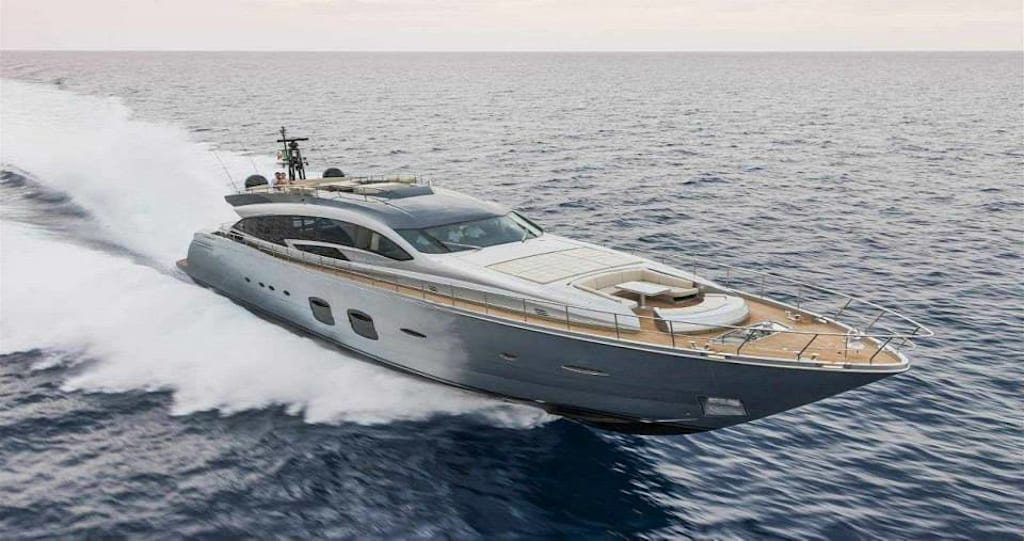
Luxury has never been static. It evolves alongside culture, technology, and the way people define success. In recent years, one of the clearest reflections of this shift can be seen in the world of luxury marine assets. Yachts and large private vessels are no longer viewed solely as symbols of wealth or status. They are increasingly understood as extensions of lifestyle, mobility, and personal identity.
This transformation is not only visible in how these assets are designed or used, but also in how they are discussed within luxury culture. The conversation has gradually moved away from ownership as a primary focus and toward experience, flexibility, and meaning.
Within this broader shift, the role of mega yachts and similar marine assets offers a revealing lens into how modern wealth is being expressed.
From ownership to access-driven luxury
Traditionally, luxury assets were defined by possession. Owning a property, a car collection, or a yacht was seen as a direct marker of success. The emphasis was on permanence and exclusivity—what one owned was what one had achieved.
However, contemporary luxury behavior has begun to move in a different direction. Access has become just as important as ownership, and in many cases, more relevant. The ability to experience high-end environments without permanent commitment reflects a broader shift in how value is perceived.
In the context of marine assets, this change is particularly visible. Large yachts are no longer only discussed in terms of acquisition, but also in terms of use, adaptability, and experience design. The focus is increasingly on how these assets function as environments rather than static possessions.
This reflects a wider cultural movement in which flexibility and experience are becoming core indicators of modern luxury.
The changing symbolism of mega yachts
Mega yachts have historically been associated with exclusivity, scale, and visibility. They were often viewed as floating representations of financial achievement, designed to signal success in highly visible ways.
While that symbolism has not disappeared entirely, it has become more layered. Today, these vessels are also interpreted through the lens of design innovation, privacy, and lifestyle integration. The emphasis is shifting from how large or visible a yacht is to how effectively it supports a particular way of living.
Interior layouts, onboard functionality, and adaptability now carry as much significance as exterior design. Spaces are designed not only for leisure but for extended living, remote work, social interaction, and private retreat.
This evolution suggests that luxury is becoming less about display and more about utility within a refined context. The vessel becomes less of a statement object and more of a mobile environment shaped around human behavior.
Wealth expression as lifestyle architecture
Modern wealth expression is increasingly subtle and contextual. Rather than focusing solely on visible assets, there is a growing emphasis on how environments are curated and experienced.
Luxury marine assets fit into this shift by functioning as lifestyle architecture—spaces that are designed to support specific ways of living rather than simply to be observed. The interior and exterior flow of these vessels often reflects broader lifestyle preferences such as openness, privacy control, and spatial flexibility.
This approach aligns with a broader trend in luxury consumption where personalization plays a central role. Wealth is no longer only communicated through ownership but through how effectively environments reflect individual preferences.
In this sense, marine assets are part of a wider ecosystem of lifestyle design, where architecture, mobility, and experience intersect.
The role of privacy in modern luxury environments
Privacy has become one of the defining elements of contemporary luxury. In an age of constant visibility and digital exposure, controlled environments carry increasing value.
Luxury marine assets naturally align with this need. Their physical separation from urban density creates a sense of isolation without detachment. This allows for environments where interaction can be selectively managed, and social boundaries can be more intentionally defined.
However, privacy in this context is not simply about isolation. It is about control over exposure and interaction. It allows individuals and groups to define their own environment without external interruption.
This shift reflects a broader cultural trend in which privacy is no longer a passive condition but an actively curated experience.
Design evolution and the rise of experiential interiors
The design language of modern yachts has evolved significantly. Earlier models often emphasized form, scale, and visual impact. Contemporary design, however, places greater emphasis on usability, comfort, and experiential flow.
Interior spaces are increasingly designed to feel continuous rather than segmented. Movement between areas is smoother, and the distinction between indoor and outdoor environments is often intentionally blurred. Natural light, open layouts, and modular configurations are frequently incorporated to enhance flexibility.
This design direction reflects a deeper shift in luxury expectations. Spaces are no longer judged solely on appearance but on how they support lived experience over time.
In this context, mega yachts become environments that adapt to different modes of use—social gatherings, private retreat, extended travel, or hybrid working conditions.
Miami and the cultural normalization of marine luxury
Coastal cities such as Miami play a significant role in shaping how luxury marine assets are perceived. In such environments, water-based living is not an exception but part of the urban identity.
This geographical relationship contributes to the normalization of yachts as part of everyday luxury culture rather than purely aspirational objects. The visibility of marine activity integrates it into broader lifestyle awareness.
In cities with strong maritime cultures, yachts are often discussed in the same way as high-end real estate or premium vehicles—not as distant symbols, but as integrated components of urban luxury ecosystems.
This normalization also influences how value is understood. The emphasis shifts from rarity alone to how seamlessly these assets fit into a broader lifestyle context.
Wealth mobility and the global nature of marine assets
Another important factor influencing the perception of luxury marine assets is mobility. Unlike static forms of luxury such as real estate, yachts exist within a global framework of movement.
This mobility introduces a different dimension to wealth expression. Instead of being tied to a single location, these assets operate across regions, climates, and cultural environments. This flexibility aligns with the increasingly global nature of modern wealth.
High-net-worth individuals and global professionals often operate across multiple cities and time zones. In this context, mobile luxury environments offer continuity across geographic boundaries.
The yacht becomes not just a vessel, but a consistent personal environment within an otherwise fragmented global lifestyle.
The quiet shift toward experiential wealth
One of the most significant changes in luxury culture is the growing emphasis on experience over possession. Wealth is increasingly measured by the quality of experiences it enables rather than the volume of assets it accumulates.
Luxury marine assets reflect this shift clearly. Their value is not solely defined by ownership but by the range of experiences they make possible—privacy, movement, social interaction, and environmental immersion.
This experiential focus also changes how value is perceived over time. Rather than being static investments, these assets are seen as evolving environments that support ongoing lifestyle narratives.
In this sense, wealth becomes less about accumulation and more about sustained experiential design.
Market perception and evolving industry language
The language used to describe luxury marine assets has also evolved. Industry conversations increasingly focus on categories such as usability, customization, and onboard experience rather than purely technical specifications.
Terms like “superyacht” or “mega yacht” still exist, but they are often contextualized within broader discussions about function and lifestyle integration. This reflects a shift in how the market communicates value.
Rather than emphasizing size alone, there is growing attention to how these vessels align with modern expectations of comfort, flexibility, and personal relevance.
This linguistic shift mirrors the broader cultural transformation occurring within luxury consumption patterns.
Conclusion
Luxury marine assets offer a compelling perspective on how modern wealth and lifestyle identity are evolving. What was once primarily a symbol of status has become a more complex expression of mobility, privacy, and experiential design.
The shift away from ownership-focused luxury toward experience-driven value reflects broader changes in how individuals define success and personal fulfillment. In this context, yachts and similar assets are no longer simply possessions—they are environments shaped around evolving ways of living.
As luxury continues to adapt to cultural and technological change, marine assets will likely remain an important reference point for understanding how wealth is expressed in increasingly fluid and experience-oriented ways.
About the Creator
Robert Lama
Robert Lama is a seasoned yacht broker with Miami International Yacht Sales, a reputable yacht brokerage company specializing in both used and new yachts. https://www.miamiinternationalyachtsales.com/
Enjoyed the story? Support the Creator.
Subscribe for free to receive all their stories in your feed.
Comments
There are no comments for this story
Be the first to respond and start the conversation.