
How Group Experiences Are Redefining Social Events in Coastal Cities
Shared moments on the water are changing what people expect from a social occasion — and coastal cities are where that shift is most visible.

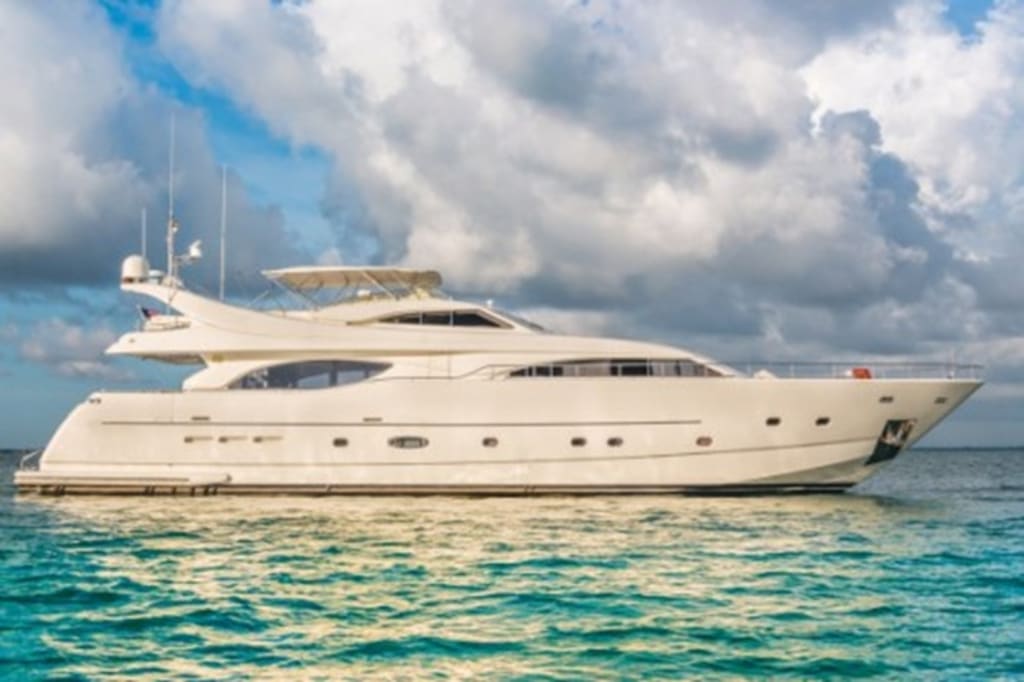
Something has quietly shifted in how people think about getting together. Not dramatically, not all at once — but if you pay attention, you can feel it. The standard formats that defined social life for the past few decades are starting to feel like they're missing something. And in cities built around water, people are figuring out what that something is.
The Problem With How We've Been Gathering
Be honest about the last few dinner parties or bar nights you attended. You showed up, you sat somewhere, you talked, you left. Two weeks later the evening had mostly dissolved. You couldn't quite grab onto it. You had a fine time — technically — but fine doesn't leave much behind.
This isn't about the food getting worse or the venues changing. It's about attention. A gathering where everyone is physically present but mentally scattered across their phones, their worries, their separate digital currents is a gathering that doesn't fully happen. People feel this when they leave, even if they don't have words for it. The evening was pleasant. It just didn't mean anything.
This is a genuinely modern problem. And it's producing a genuinely modern response.
People are increasingly organizing social occasions around experiences that make distraction difficult — that drop a group into an environment unusual enough to pull everyone's attention toward the same place at the same time. Water does this. Movement does this. Being somewhere that requires a small degree of collective orientation, where the setting itself becomes something everyone is reacting to together — that does this.
The psychology isn't complicated, even if most people don't think about it in those terms. Shared physical experiences, especially ones involving novelty and sensory engagement, create stronger memories than static shared environments. Two people sitting across a restaurant table have a pleasant evening. Two people watching a city skyline change color from the water at dusk have something they'll still be referencing years from now. The experience encodes differently. It carries more weight because the conditions for meaning were built into the setting itself.
What Coastal Cities Offer That Others Simply Can't
Not every city has equal access to this kind of experience. Geography matters here, and coastal cities have a genuine advantage.
Miami is a useful example because the water isn't just scenery — it's structural. Biscayne Bay wraps around the eastern edge of the city. The Intracoastal threads through it. Neighborhoods like Coconut Grove and Bayside exist in direct relationship with the water in ways you don't fully appreciate until you're out on it looking back at everything.
From the bay, Miami makes a different kind of sense. The skyline sits there complete and coherent — Brickell, downtown, the port cranes — in a way the highway and the side streets never let you see. The city comes at you in fragments from the ground. From the water, it suddenly becomes whole.
Locals who've never been out on Biscayne Bay often describe the experience as seeing Miami for the first time. That's not hyperbole. The perspective genuinely shifts in a way that's difficult to anticipate.
The sensory dimension matters too. Miami's heat, which can feel punishing on asphalt, transforms completely on the water. There's almost always a breeze. The late afternoon light hits the surface of the bay in a way that's hard to describe to someone who hasn't seen it — warm and flat and extraordinary all at once. The city stays visible the whole time, but its noise and density fall completely away. For a few hours, a group can be somewhere that feels genuinely removed from ordinary life while the skyline is still right there on the horizon.
Charleston offers its own version of this — the harbor at dusk, the Lowcountry atmosphere, the particular quality of the light over the marsh. San Diego offers something else entirely, with the Pacific and the bay and sailing weather so consistently good it starts to feel like a personal favor. Each coastal city has its own character on the water. What they share is the capacity to soften the social dynamics of distraction and performance that dominate most land-based gatherings — and let something more genuine take their place.
Why Groups Behave Differently on the Water
The group dynamic is where this shift becomes most visible and most interesting.
A boat is a contained space. When people get on the water together, they're sharing an environment that moves, that goes somewhere, that gives everyone a common experience to respond to. There's no splitting into separate conversations at opposite ends of a large venue. There's no one quietly checking out without it being noticeable. There's no ambient noise that turns sustained conversation into effort. It's just the group, the water, and wherever the two of them go together.
This consistently produces better social interaction than most standard gathering formats. People talk differently on the water. The setting is unusual enough to interrupt the conversational routines that form even between close friends — the familiar lanes, the reliable topics, the comfortable patterns that feel like connection but sometimes substitute for it. Something about the movement, the openness, the light, the mild unpredictability of being on water even when it's completely calm — it loosens people in a way that sitting across a table doesn't.
People who've experienced both describe the difference in surprisingly consistent terms. A few hours on the water with people they genuinely care about tends to produce the conversations and shared moments that get referenced for years. Not because anything dramatic happened. Because the conditions for real presence were there, and real presence between people who matter to each other tends to generate exactly what social occasions are supposed to generate.
How Access to These Experiences Has Changed
For a long time, getting on the water in a city like Miami required owning a boat, knowing someone who did, or having the kind of budget and industry contacts that most people simply don't have. The experience stayed in a narrow demographic lane because the barriers to entry were genuinely high.
That has changed substantially. The logistics of organizing a group water experience are dramatically simpler than they were even a decade ago. Information is accessible. Options are comparable. The opacity that once defined the charter world has largely dissolved, and with it, a lot of the assumptions about who this kind of experience is actually for.
What this means in practice is that an entirely new category of social occasion has opened up. Groups who would never have considered getting on the water for a birthday or a reunion or a collective evening out now encounter it as a realistic option alongside a dinner reservation or a venue booking. The experience has entered the broader vocabulary of how people in coastal cities think about gathering — and it's sitting there as a genuine alternative rather than an aspirational fantasy.
That broader access hasn't diluted anything. If anything, it has raised the level of expectation and intention that people bring to these experiences. Someone who shows up having thought about what they want the evening to feel like tends to get more out of it. The experiences themselves have matured to meet that — more flexibility, more variety, more attention to the details that determine whether an occasion actually lands or merely passes.
What This Shift Is Really About
The move toward experience-centered social occasions in coastal cities isn't a trend that will cycle out and be replaced by something else next season. It reflects something structural about how people currently relate to their time, their attention, and the people they want to spend both with.
Time feels scarce in a way it perhaps hasn't before. The hours genuinely available for social connection are limited and they compete with everything else. When people decide how to spend them, they're increasingly making choices oriented toward what will actually be remembered — what will leave something behind rather than dissolving into the general blur of the week.
An occasion that gives a group of people a shared experience they couldn't have replicated anywhere else, in a setting that quietly demanded their full presence, answers that question directly. Coastal cities will keep being where this plays out most visibly, simply because the water is there and the water does things that built environments can't.
The groups who figure this out tend to go back. Not because the experience was extravagant — though it can be. But because something genuine happened, and genuine things are worth returning to.
About the Creator
Miami Boat Charter
Miami Boat Charters offers the largest and newest selection of fully crewed Boat Charters, Party Boats, & Luxury Yacht Rentals in Miami Beach.
Enjoyed the story? Support the Creator.
Subscribe for free to receive all their stories in your feed.
Comments
There are no comments for this story
Be the first to respond and start the conversation.