
How Digital Payments Are Revolutionising Transactions
The Rise of Cashless Payments: Transforming the Future of Transactions

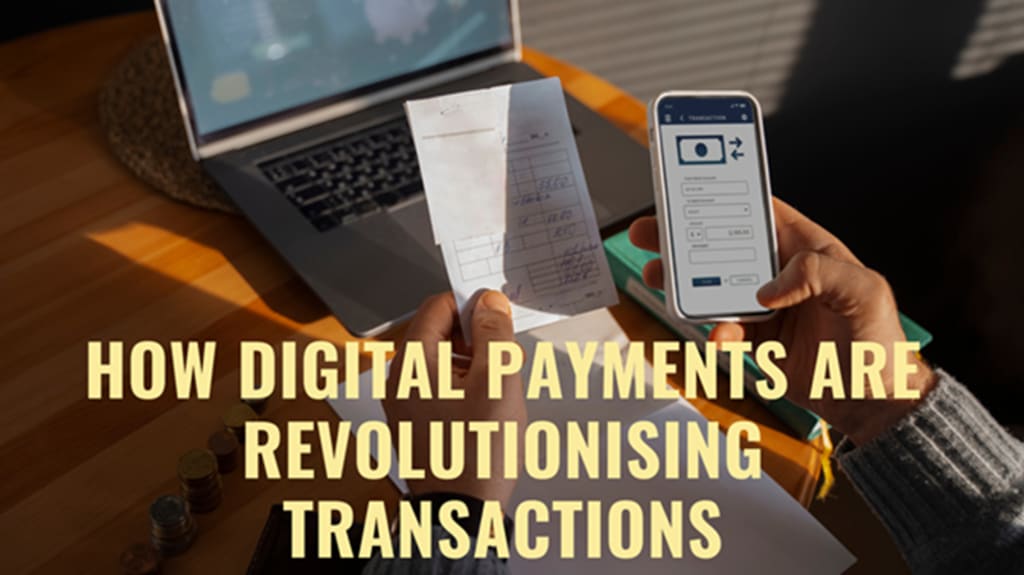
The Rise of Cashless Payments
The use of cash has been steadily declining for years, but will we ever reach a point where society operates entirely without it?
I recently visited Canada and was surprised to find that many small restaurants no longer accept cash. Statistics Canada reports that only half of the country's businesses still take cash payments. Analysis from Moneris shows that cash usage is plummeting and is expected to decrease by another 70% by 2030, making up just 10% of all transactions in Canada.
In the United States, the decline of cash use is slower but still noticeable. In 2022, 41% of Americans reported not using cash regularly.
While a completely cashless society isn't imminent, the trend is clear: the U.S. and many other countries are moving towards an economy where cash use is so limited it becomes inconvenient.
Why Cash Is Losing Ground
Modern customer experiences are driving the shift away from physical currency. Today's consumers prioritize convenience, especially when it comes to payments. Research shows that 84% of consumers choose their payment method based on speed and convenience.
This preference means that even though ecommerce growth has slowed since the pandemic, many consumers, particularly younger generations, prefer a blend of in-store and online shopping. They expect the same seamless, flexible payment options in physical stores as they do online.
As a consumer, the hassle of using cash—digging it out, counting it, and dealing with change—makes digital payment methods far more appealing. Consumers want to tap their phone or smartwatch at the point of sale or use contactless self-checkout options. This shift in behavior means that businesses need to adapt to these new expectations to stay competitive.
Addressing the Needs of Unbanked Consumers
In 2022, cash accounted for 18% of transactions in the U.S., third behind debit cards (29%) and credit cards (31%). However, cashless payments aren’t accessible to everyone. In 2021, nearly six million American households were unbanked, meaning no household member had a checking or savings account. Additionally, nearly 30% of Americans didn’t have a credit card.
Millions of Americans, and billions globally, lack access to traditional banking services. The payments industry must ensure that everyone can participate in the economy. Innovation in peer-to-peer payment systems, which don’t require linked bank accounts, is a step in the right direction. However, more needs to be done to ensure financial inclusion for all.
In 2016, 60% of unbanked consumers had smartphones, enabling them to use apps like Venmo and Zelle for payments. Systems like FedNow, which require bank accounts, may encourage more unbanked individuals to open accounts due to their speed, convenience, and low fees.
Helping Merchants Meet Consumer Expectations
As omnichannel sales become the norm, digital payments are no longer optional for merchants. Even brick-and-mortar businesses need to adopt advanced payment technologies to remain competitive. However, the high cost of EMV-compliant contactless terminals is a significant barrier for many small business owners.
For contactless payments to become more widespread, these devices need to be affordable and accessible. Today, a credit card reader can easily cost a merchant $400. While lower-cost options exist, they often come with limitations. For example, the Toast reader is designed specifically for restaurants.
To make cashless operations feasible for all merchants, the industry must move towards more open, all-in-one payment solutions. Tap on mobile payments, which allow merchants to use their personal smartphones to accept payments, is a promising development. The industry must strive to make these innovations accessible to all businesses, ensuring they can meet consumer demands and remain competitive.
Ensuring Financial Inclusion in a Cashless Economy
Sweden is on track to become the first cashless country, with cash accounting for just 8% of in-store purchases in 2020. As digital payments become more prevalent globally, other countries are likely to follow suit.
However, the transition to a cashless economy poses several challenges:
Lack of internet service: Digital payments are difficult in areas with limited internet or cellular service.
Access to digital devices: In 2016, only 60% of unbanked individuals in the U.S. had smartphones. Cashless economies could disadvantage underserved and elderly populations who lack access to digital devices.
Associated costs: Eliminating cash requires businesses to invest in POS devices or smartphones with tap-on mobile capabilities. Unbanked consumers would need devices capable of holding funds in digital wallets.
Issues with traditional banks: In 2021, the primary reason for not having a bank account was insufficient funds to meet minimum balance requirements, followed by a lack of trust in banks and high fees.
Innovative solutions are emerging to bridge the gap between digital economies and underserved communities. For example, India’s Pradhan Mantri Jan Dhan Yojana program provides unbanked citizens with access to basic financial services, including no-minimum-balance savings accounts. In Mexico, some merchants allow consumers to check out online, print a voucher, and pay with cash at a local store.
The potential of a cashless economy is significant, but it must be inclusive. Developing easy-to-use payment options, educating communities on financial literacy, enhancing digital security and privacy, and providing accessible banking options are crucial steps.
By enabling flexible, modular payment solutions, we can ensure that the transition to a cashless future benefits everyone.
FAQs
Q1: What is driving the decline in cash usage?
A1: Modern customer experiences prioritizing convenience and speed, alongside the growth of digital payment options, are driving the decline in cash usage.
Q2: How do cashless payments benefit consumers?
A2: Cashless payments offer speed, convenience, and flexibility. Consumers can use digital wallets, tap-to-pay options, and even their smartphones or smartwatches to make transactions quickly and easily.
Q3: What challenges do unbanked individuals face in a cashless economy?
A3: Unbanked individuals lack access to traditional banking services, making it difficult to participate in a cashless economy. Issues include lack of internet access, limited access to digital devices, and high costs associated with obtaining and using digital payment methods.
Q4: How can businesses adapt to the shift towards cashless payments?
A4: Businesses can adapt by adopting advanced payment technologies like contactless terminals, tap on mobile payments, and digital wallets. They should also focus on offering flexible and inclusive payment options to meet diverse consumer needs.
Q5: What role do innovative solutions play in ensuring financial inclusion?
A5: Innovative solutions like peer-to-peer payment systems, basic financial services programs, and hybrid payment approaches help bridge the gap between digital economies and underserved communities, ensuring that everyone can participate in the economy.
About the Creator
John Rodriguez
John Rodriguez is a seasoned financial technology expert with over 15 years of experience in the payments industry.
Enjoyed the story? Support the Creator.
Subscribe for free to receive all their stories in your feed.
Comments
There are no comments for this story
Be the first to respond and start the conversation.