
How a Fashion Stylist in Miami Reflects the City's Evolving Approach to Personal Image
Style, identity, and presentation in one of America's most visually distinctive cities

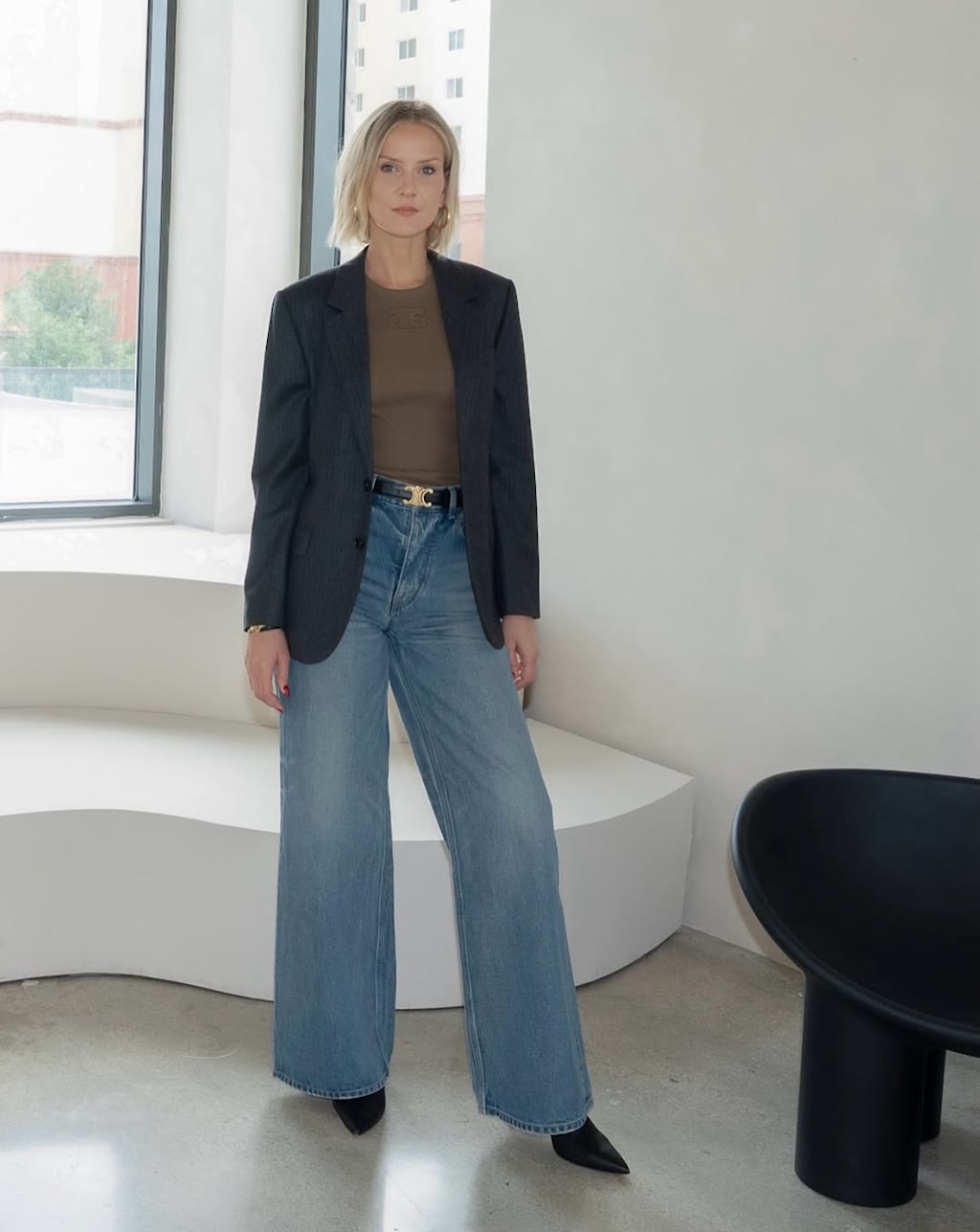
Personal style has long served as a form of communication, expressing aspects of identity, profession, culture, and lifestyle without requiring a single word. In cities known for their influence on fashion and image, style often takes on an even greater significance, becoming intertwined with local culture and social expectations. Miami is one such city.
Known internationally for its diverse population, luxury real estate, thriving hospitality industry, entrepreneurial spirit, and cultural vibrancy, Miami occupies a unique position within the broader American style landscape. The city's approach to fashion differs from traditional fashion capitals because it is shaped by a distinctive combination of climate, international influences, business growth, and lifestyle priorities.
As a result, the role of a fashion stylist in Miami has evolved beyond selecting clothing or keeping pace with trends. Today, personal style is increasingly viewed as an extension of professional identity, social presence, and everyday efficiency. The growing relevance of fashion styling reflects larger shifts in how people think about appearance, personal branding, and self-presentation in contemporary life.
Understanding this evolution offers insight not only into Miami's fashion culture but also into changing attitudes toward personal image in modern society.
Miami's Unique Relationship With Personal Style
Every city develops its own visual language. Architecture, climate, demographics, and cultural influences all contribute to how people present themselves. Miami's style identity has always stood apart from that of cities such as New York, London, or Paris.
The city's tropical climate naturally encourages lighter fabrics, relaxed silhouettes, and greater attention to comfort. Yet Miami's style culture extends far beyond weather considerations. As a global destination attracting entrepreneurs, entertainers, athletes, international investors, and professionals from around the world, the city has become a meeting point for diverse fashion influences.
Latin American, Caribbean, European, and North American aesthetics frequently intersect within Miami's social and professional environments. The result is a style culture that values individuality while remaining highly aware of presentation.
In many industries represented throughout South Florida, appearance functions as more than a personal preference. Real estate professionals, executives, hospitality leaders, media personalities, and entrepreneurs often operate in environments where image contributes to first impressions and professional credibility.
This emphasis on visual presentation has helped create demand for thoughtful wardrobe planning and personalized styling rather than simple trend adoption. Increasingly, style is viewed as a strategic component of daily life rather than a separate interest reserved for fashion enthusiasts.
The modern fashion stylist in Miami often operates within this broader context, helping individuals navigate expectations that are shaped by both professional responsibilities and social visibility.
The Growing Connection Between Personal Image and Professional Identity
The relationship between clothing and professional perception has received growing attention in recent years. While expertise, experience, and performance remain the primary indicators of professional success, visual presentation continues to influence how individuals are perceived.
Research in psychology and workplace communication has consistently demonstrated that appearance contributes to first impressions. Although these impressions may not accurately reflect a person's abilities, they often shape initial assumptions regarding confidence, competence, attention to detail, and professionalism.
In a city like Miami, where networking events, business gatherings, social functions, and public appearances frequently overlap, personal image has become increasingly interconnected with professional identity.
The rise of digital communication has further amplified this reality. Professional profiles, virtual meetings, social media platforms, industry publications, and online networking opportunities have expanded the number of environments in which individuals present themselves visually.
As a result, many professionals are reconsidering how their wardrobes support their broader goals and responsibilities. Clothing choices are no longer viewed solely through the lens of fashion trends. Instead, they are often evaluated based on practicality, versatility, appropriateness, and consistency.
Fashion stylists working in Miami increasingly find themselves participating in conversations about image management, professional presence, and personal branding rather than simply discussing seasonal styles.
This shift reflects a larger cultural movement toward intentionality. People are becoming more selective about how they invest their time, energy, and resources, including the choices they make about their appearance.
Why Personalization Has Become More Important Than Trends
Fashion trends continue to play a role within the industry, but consumer attitudes toward style have changed significantly over the past decade.
The rise of social media initially accelerated trend cycles, making new styles accessible to larger audiences at unprecedented speeds. However, this constant exposure has also led many individuals to question whether trend-driven consumption truly serves their needs.
Rather than pursuing every emerging aesthetic, many people now seek a more personalized approach to dressing. This shift is particularly evident among professionals, executives, and individuals whose wardrobes must accommodate a variety of responsibilities and environments.
Personalization offers several advantages. It prioritizes individual preferences, body types, lifestyle demands, and professional requirements over temporary fashion movements. It also encourages more thoughtful purchasing decisions and greater wardrobe cohesion.
Miami's diverse population makes personalization especially relevant. Residents and professionals often balance multiple cultural influences, travel schedules, social commitments, and business obligations. A one-size-fits-all approach rarely aligns with these realities.
Consequently, fashion styling has become less about prescribing trends and more about helping individuals develop a consistent visual identity that aligns with their lives.
This evolution mirrors broader consumer trends across industries. Whether in technology, healthcare, education, or luxury services, personalization has become increasingly valued because it acknowledges individual circumstances rather than applying universal solutions.
Fashion is no exception.
The Influence of Luxury Culture on Style Expectations
Miami's luxury market has expanded significantly over the past several years. The city continues to attract affluent residents, international investors, and business leaders seeking opportunities and lifestyle advantages.
Luxury, however, is undergoing its own transformation.
Historically, luxury consumption often emphasized visibility and status signaling. Contemporary luxury increasingly prioritizes convenience, quality, personalization, and efficiency. These values are influencing attitudes toward fashion and wardrobe management as well.
For many individuals, luxury is no longer defined solely by owning exclusive items. Instead, it may involve reducing unnecessary complexity, improving organization, and creating systems that support daily life more effectively.
This perspective has contributed to growing interest in wardrobe curation, closet organization, and strategic shopping habits. Rather than accumulating more clothing, many consumers seek wardrobes that offer versatility, functionality, and alignment with their personal preferences.
Within this environment, fashion stylists often serve as advisors who help individuals evaluate how their wardrobes support their broader lifestyle goals.
Miami's luxury culture reinforces these priorities because many residents maintain active professional, social, and travel schedules. Efficiency and adaptability become particularly valuable when navigating multiple responsibilities across different environments.
As a result, style increasingly intersects with lifestyle management rather than existing as an isolated category.
Social Visibility in the Digital Era
One of the most significant developments affecting personal image has been the rise of digital visibility.
In previous generations, appearance was largely confined to in-person interactions. Today, individuals routinely present themselves across numerous digital platforms. Professional networking sites, virtual meetings, social media profiles, podcasts, webinars, conferences, and online publications have expanded the ways people engage with audiences.
This shift has created new considerations regarding consistency and authenticity.
Rather than managing a single public image, individuals now navigate multiple forms of visibility simultaneously. Personal style often becomes part of a broader narrative about professional identity, personal values, and lifestyle preferences.
Miami's entrepreneurial ecosystem provides a clear example of this phenomenon. Business owners, consultants, creators, and executives frequently maintain active digital presences that complement their professional activities.
The growing importance of visual communication does not necessarily mean individuals must follow rigid appearance standards. In many cases, the opposite is true. Authenticity has become increasingly valued, encouraging people to develop styles that genuinely reflect their identities rather than conforming to generic expectations.
Fashion stylists working within this environment often focus on helping individuals create consistency between how they see themselves and how they present themselves publicly.
This emphasis on alignment reflects changing cultural priorities. Modern audiences often respond more positively to authenticity than perfection, making personal style an important component of self-expression rather than simple image management.
The Future of Personal Style in Miami
As Miami continues to evolve, its fashion culture will likely evolve alongside it. Population growth, international investment, technological advancement, and shifting workplace norms are all influencing how people think about personal image.
Several trends appear likely to shape the future.
First, personalization will probably remain a defining priority. Consumers increasingly expect experiences tailored to their individual needs, and fashion styling reflects this broader expectation.
Second, sustainability and conscious consumption are likely to continue influencing purchasing decisions. Many individuals are becoming more selective about what they add to their wardrobes, favoring quality, longevity, and versatility over excessive accumulation.
Third, professional and personal identities may become even more interconnected. As digital visibility expands, individuals will continue seeking ways to present themselves consistently across various environments.
Finally, convenience and efficiency will remain important considerations. Busy schedules, hybrid work arrangements, and evolving lifestyle demands encourage practical approaches to wardrobe management that reduce decision fatigue while supporting personal goals.
Miami's position as an international city makes it particularly well suited to these developments. Its residents often embrace innovation while maintaining strong connections to culture, creativity, and self-expression.
The role of the fashion stylist is likely to continue evolving in response to these changing expectations. Rather than focusing exclusively on fashion trends, styling professionals increasingly operate within broader conversations about identity, presentation, organization, and lifestyle design.
Conclusion
The growing relevance of a fashion stylist in Miami reflects more than changing fashion preferences. It reveals a broader shift in how personal image is understood within contemporary culture.
In a city shaped by international influences, professional ambition, luxury lifestyles, and digital visibility, appearance has become closely connected to communication, identity, and everyday functionality. Style is no longer viewed solely as a matter of aesthetics. Instead, it increasingly serves as a practical tool for expressing individuality and navigating modern life.
Miami's evolving approach to personal image highlights larger cultural trends that extend well beyond fashion itself. Personalization, authenticity, efficiency, and intentional decision-making continue to influence how individuals build wardrobes and present themselves to the world.
As these priorities become more prominent, the conversation surrounding personal style is likely to remain relevant. Whether viewed through the lens of professional identity, cultural expression, or lifestyle management, style continues to reflect the ways people adapt to changing expectations while maintaining a sense of individuality.
In that respect, Miami offers a compelling example of how fashion, culture, and personal image continue to evolve together in the modern era.
About the Creator
Elsab Styling
At ElsaB Styling, we specialize in providing bespoke, high-end personal styling services for high-net-worth individuals, CEOs, executives, and VIPs.
Enjoyed the story? Support the Creator.
Subscribe for free to receive all their stories in your feed.
Comments
There are no comments for this story
Be the first to respond and start the conversation.