
Hollywood’s Love Affair with Musicals: A Historical Perspective
Hollywood music industry
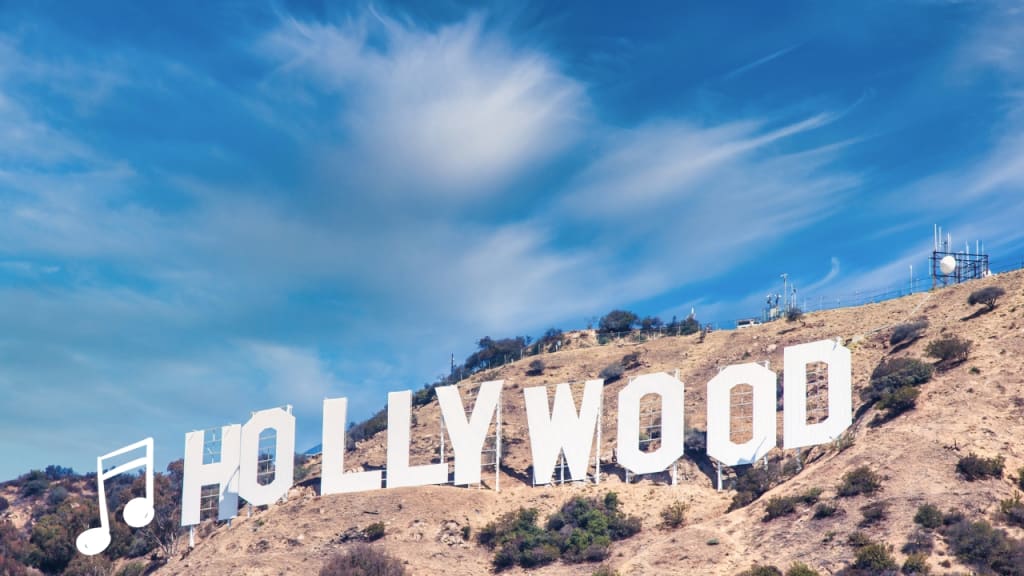
The Hollywood music industry has always played a pivotal role in shaping the global entertainment landscape, and musicals stand out as one of its most celebrated contributions. From the glitz and glamor of the Golden Age to modern-day blockbusters, Hollywood musicals have consistently captivated audiences with their ability to combine storytelling, music, and dance in a seamless artistic experience. These productions have become cultural milestones, defining eras and influencing generations. This article delves into the historical evolution of Hollywood musicals, their significance in the music industry, and how they continue to charm audiences worldwide.
The Golden Age of Hollywood Musicals
Hollywood’s love affair with musicals began in the 1920s with the advent of synchronized sound. The introduction of The Jazz Singer in 1927 marked the beginning of the "talkies" era and proved that films with integrated music and dialogue could enthrall audiences. The 1930s and 1940s, often referred to as the Golden Age of Hollywood musicals, saw the emergence of iconic studios like MGM, which churned out lavish productions featuring stars like Gene Kelly, Fred Astaire, and Judy Garland.
During this period, musicals became a cornerstone of the Hollywood music industry, with films like Singin’ in the Rain, An American in Paris, and The Wizard of Oz showcasing a blend of exceptional storytelling and memorable soundtracks. The emphasis was not just on the visuals but also on the orchestral compositions and lyrical brilliance that defined these films. The success of these musicals set the stage for Hollywood to become synonymous with high-quality cinematic music.
Themes and Styles That Defined the Era
Classic Hollywood musicals often revolved around themes of love, ambition, and resilience, offering audiences an escape from the harsh realities of the Great Depression and World War II. Their vibrant choreography and catchy tunes made them timeless works of art. These films weren’t just movies; they were experiences that brought people together in theaters, uniting them through the universal language of music.
The Hollywood music industry during this era thrived on collaboration. Renowned composers like Irving Berlin, George Gershwin, and Richard Rodgers contributed to the creation of unforgettable scores that remain influential to this day. Their work exemplified the seamless integration of music and narrative, where every song served a purpose in advancing the plot or deepening character development.
The Decline and Revival of Hollywood Musicals
By the late 1950s and 1960s, the popularity of musicals began to wane. The rise of television and changing audience preferences shifted the focus toward other genres. Despite occasional successes like The Sound of Music and Mary Poppins, musicals were no longer the dominant force they once were. This decline posed challenges for the Hollywood music industry, which struggled to adapt to new trends.
However, the genre witnessed a resurgence in the late 20th and early 21st centuries. Films like Moulin Rouge! (2001), Chicago (2002), and Les Misérables (2012) brought a modern sensibility to the traditional format, blending contemporary musical styles with classic storytelling. These productions reignited public interest, proving that Hollywood musicals still had the power to captivate audiences.
The Modern Era: Innovation and Experimentation
In recent years, the Hollywood music industry has embraced innovation and experimentation, breathing new life into musicals. Films like La La Land (2016) and The Greatest Showman (2017) have demonstrated the genre’s ability to adapt to contemporary tastes while preserving its core essence. These productions not only achieved critical and commercial success but also introduced a new generation to the magic of Hollywood musicals.
The integration of technology has further revolutionized the genre. Advanced sound engineering, immersive 3D visuals, and digital orchestration have enhanced the cinematic experience, making musicals more engaging than ever. Additionally, collaborations with pop artists and composers have helped bridge the gap between traditional musical theater and mainstream music, attracting a diverse audience base.
Why Audiences Love Hollywood Musicals
The enduring appeal of Hollywood musicals lies in their ability to evoke emotions and provide a sense of escapism. They transport viewers into fantastical worlds where characters express their deepest feelings through song and dance. This unique blend of art forms creates a multi-dimensional storytelling experience that resonates with people across cultures and generations.
Moreover, the Hollywood music industry has a knack for producing songs that become cultural phenomena. Tracks like Let It Go from Frozen and This Is Me from The Greatest Showman have transcended their respective films, becoming anthems of empowerment and self-expression. These songs not only contribute to the success of musicals but also reinforce Hollywood's influence on global music trends.
The Future of Hollywood Musicals
Looking ahead, the future of Hollywood musicals seems bright. With streaming platforms providing new avenues for distribution, musicals are reaching a broader audience than ever before. Original productions and adaptations of beloved Broadway shows continue to gain traction, ensuring that the genre remains relevant in an ever-changing entertainment landscape.
Furthermore, the Hollywood music industry is increasingly embracing diversity and inclusion. Films like In the Heights (2021) and Hamilton (2020, released on Disney+) showcase stories from underrepresented communities, reflecting the changing dynamics of modern society. This shift not only enriches the genre but also ensures its longevity by appealing to a wider demographic.
Conclusion
The Hollywood music industry has been instrumental in the evolution and enduring success of musicals. From the glimmering productions of the Golden Age to modern masterpieces that push creative boundaries, Hollywood musicals continue to hold a special place in the hearts of audiences worldwide. Their ability to blend music, dance, and storytelling into a cohesive and emotionally resonant experience is unmatched. As the industry continues to innovate and adapt, the legacy of Hollywood musicals remains a testament to the transformative power of music in cinema.
About the Creator
SEO 5
Music Enthusiast | Industry Insider | Vocal Media Contributor
Passionate about sharing insights on the latest trends, emerging artists, and the evolving landscape of the music industry.
Enjoyed the story? Support the Creator.
Subscribe for free to receive all their stories in your feed.
Comments
There are no comments for this story
Be the first to respond and start the conversation.