
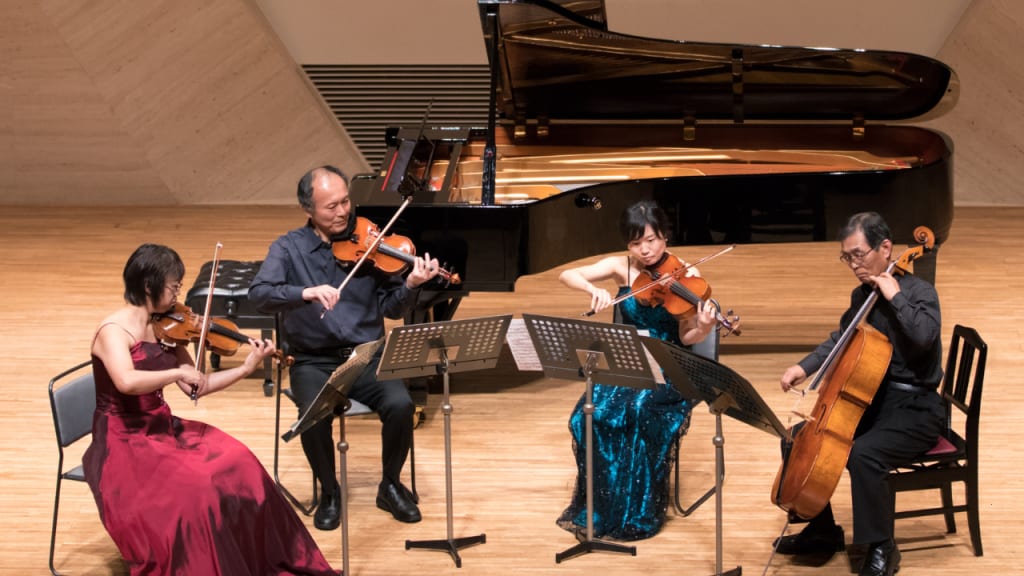
Music is a universal language that transcends borders, eras, and cultural divisions. It has served as a critical element in social rituals, spiritual gatherings, and entertainment for as long as humanity has existed. The mesmerizing sound of a distant melody can unite strangers, spark dialogue, and inspire profound change. As we navigate a world more interconnected than ever, we find that music becomes a way to exchange values, beliefs, and artistic traditions. In understanding the full scope of music’s influence, we encounter genres deeply rooted in tradition, cutting-edge technological innovations shaping modern performances, iconic bands whose legacies span continents, timeless songs that bridge generational gaps, and new ways of listening that bring forth linguistic inclusivity. Today’s music world is an ecosystem where age-old classical forms coexist with contemporary digital expressions, weaving a cultural tapestry that stretches across the globe.
1. Cultural Origins
To appreciate how music can transcend borders, we first need to explore the weight of cultural heritage. One prominent example is the question of what is Indian classical music. Steeped in centuries-old traditions, Indian classical music is renowned for its intricate ragas (melodic frameworks) and talas (rhythmic cycles). Unlike many Western classical forms that rely on linear compositions, Indian classical performances are often improvisational, allowing artists to channel spirituality, emotion, and virtuosity into each rendition. It has historically been tied to religious ceremonies, meditation practices, and court patronage, ensuring that the music evolved alongside social changes.
The global influence of Indian classical music can be traced in everything from jazz improvisation to modern ambient compositions. This cross-pollination of styles underscores the fundamental idea that cultural origins of music enrich our listening experience. By immersing ourselves in a genre that predates recorded history, we open our minds to the complexities of melody and rhythm that have endured for generations, shaping global musical landscapes.
2. Shaping Soundscapes
As we shift from age-old traditions to the modern era, technology emerges as a powerful force shaping how music is created, performed, and experienced. Contemporary artists increasingly rely on digital tools to craft immersive auditory universes. The innovation of a DJ set maker exemplifies this trend. With such a tool, artists can seamlessly mix tracks, manipulate beats, and blend samples, effectively transforming a performance space into a dynamic, ever-changing soundscape.
This capacity to fluidly merge genres, experiment with textures, and instantly respond to audience energy breaks down preconceived notions of a “fixed” live show. Instead, every performance can become a unique event, guided as much by improvisation as careful planning. Listeners benefit from a richer, more varied experience, often discovering new sounds and rhythms that broaden their musical palate. DJs and producers, empowered by digital innovation, challenge traditional performance boundaries, ensuring that soundscapes are continuously evolving.
3. Icons of Inspiration
The world of music is also defined by its influential figures—groups and artists who have shaped cultural identity on a global scale. The top 10 music bands in the world often achieve legendary status not just for their technical prowess, but for their ability to narrate social stories and spark movements. These bands often originate in one cultural context and then capture the hearts of audiences worldwide, transcending linguistic and geographical limitations.
Consider how The Beatles’ British invasion influenced a shift in American and global rock music, or how K-pop’s rise has introduced Korean language and aesthetics to global music charts. These bands become ambassadors, not only of their respective countries but of broader social messages—peace, rebellion, love, identity—connecting fans who might otherwise have little in common. Their global fanbases reflect how music can become a cornerstone of cultural exchange and community building, forging a bond that crosses borders and languages.
4. Songs Through Generations
While entire genres and bands define eras, certain tracks stand out as truly timeless. These all time favorite songs survive the ever-shifting tastes of listeners and the relentless churn of new releases. An old ballad may still bring a tear to the eye of listeners who weren’t born when it was recorded, while an upbeat dance track from decades ago might still fill a dance floor in a far-flung corner of the planet.
What makes these songs endure? Their potency lies in universal themes—love, loss, hope, friendship, struggle—that resonate through cultural differences and changing social norms. Melodies and harmonies may shift in popularity, but the emotional truths in music remain relatable. These classic tracks become cultural anchors, helping each new generation understand and appreciate the heritage of sound passed down through their ancestors. They also serve as common ground between older and younger listeners, bridging age gaps and fostering intergenerational dialogue through song.
5. Language and Digital Frontiers
Finally, as streaming platforms democratize who can produce, share, and access music, we enter an era where cultural nuances and linguistic diversity matter more than ever. Understanding streamers meaning in Hindi underscores the importance of language inclusivity in the digital music ecosystem. Streaming and social media enable fans and creators from around the world to interact without ever meeting in person, yet linguistic barriers can remain.
Providing translations, embracing subtitles, and supporting localized content help bridge these gaps, making music discussions more open and engaging. When fans understand the cultural and linguistic nuances of the artists they follow, their appreciation deepens. This level of inclusivity can turn what was once a niche community into a global fandom, and it can encourage artists to incorporate multilingual elements into their work, reaching new audiences.
Conclusion
From the most ancient musical traditions to cutting-edge digital performances, from globally iconic bands to timeless songs, and from linguistic inclusivity to the democratization of music distribution, we see that music truly has no borders. It transcends time and place, allowing us to celebrate our uniqueness while discovering our common humanity.
It is a cultural force that speaks to the core of human emotion, identity, and community—harmonies that resonate without borders.
About the Creator
Enjoyed the story? Support the Creator.
Subscribe for free to receive all their stories in your feed.
Comments
There are no comments for this story
Be the first to respond and start the conversation.