
From Recording to Streaming: Bridging the Gap for Artists
music
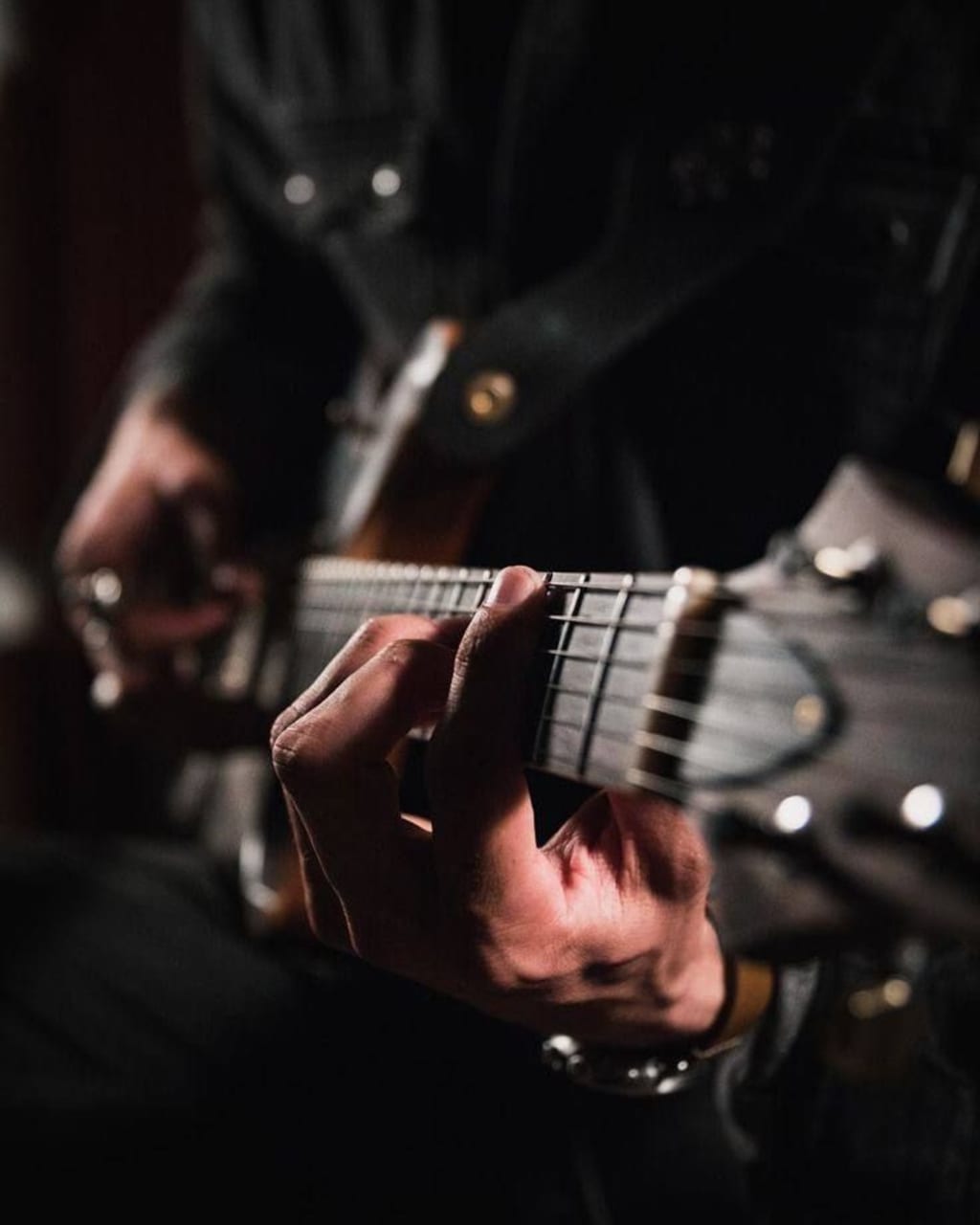
The music industry has undergone an extraordinary transformation in the digital age. From recording songs in a home studio to making them available for millions of listeners worldwide, the process has become both streamlined and competitive. Yet, for aspiring musicians, bridging the gap between recording and streaming can still feel daunting. This guide explores how emerging artists can navigate this journey, focusing on essential tools, strategies, and platforms.
Understanding the Recording Process
Before stepping into the world of streaming, the first step is creating high-quality music. This begins with selecting the easiest software to record music. Recording software, often called a digital audio workstation (DAW), serves as the foundation for producing professional-grade tracks. User-friendly options like GarageBand and Audacity are perfect for beginners, while advanced tools like Ableton Live or Pro Tools cater to more seasoned artists.
Investing in the right equipment is also crucial. A good microphone, audio interface, and headphones can make a world of difference in capturing the nuances of your sound. Remember, the quality of your recording can significantly impact your music’s appeal when it eventually lands on streaming platforms.
Preparing for Distribution
Once you’ve recorded your music, the next step is preparing it for release. This involves mastering, a process that ensures your track sounds polished and consistent across all devices and formats. Hiring a professional mastering engineer can elevate your sound, but affordable online mastering services like LANDR or eMastered are excellent options for those on a budget.
After mastering, you need to choose a distribution platform to upload your music. Services like DistroKid, CD Baby, and TuneCore make it easy for artists to distribute tracks to platforms like Spotify, Apple Music, and others. These platforms also handle royalties and metadata, allowing you to focus on creating music.
Understanding Streaming Economics
A critical aspect of streaming is understanding how platforms compensate artists. If you’re wondering how much does an artist make from Spotify, the answer depends on a variety of factors, including the number of streams, region, and payout rates. Spotify typically pays artists between $0.003 and $0.005 per stream, meaning achieving a substantial income requires millions of plays.
Similarly, understanding how much does Apple Music pay for 1 million streams can help artists set realistic expectations. Apple Music generally offers a slightly higher payout than Spotify, but this varies based on subscription types and the geographical location of listeners.
Crafting Playlists to Boost Engagement
One of the most effective ways to increase streams and discoverability is by getting your music onto playlists. Playlists are a powerful tool for reaching new audiences, whether they are user-generated or curated by platforms. Learning how do I add songs to a playlist can help you leverage this feature.
You can pitch your tracks to Spotify’s editorial playlists through the Spotify for Artists dashboard. Independent playlists, often managed by influencers or smaller curators, are also valuable for exposure. Additionally, creating your own playlists with complementary artists can help introduce your music to fans of similar genres.
Choosing the Right Streaming Service
For many artists, selecting the right streaming platform is a crucial decision. While Spotify and Apple Music dominate the market, exploring the cheapest music streaming options can reveal other viable platforms for distributing your music. YouTube Music, Amazon Music, and Deezer are popular alternatives, each with unique benefits and audience demographics.
When choosing platforms, consider where your target audience is most active. For instance, younger audiences might favor Spotify, while an older demographic may prefer Apple Music or Amazon Music. Tailoring your release strategy to these insights can improve your chances of success.
Building a Brand and Fanbase
Your music is only one part of your identity as an artist. Building a strong personal brand and connecting with your audience are essential for long-term success. Use social media platforms like Instagram, TikTok, and Twitter to share your story, engage with fans, and promote your music.
Content creation is a powerful tool for audience engagement. Behind-the-scenes videos, live performances, and Q&A sessions can help you forge a deeper connection with your fans. Additionally, email newsletters and fan clubs are great ways to keep your most loyal supporters updated and invested in your journey.
Maximizing Revenue Streams
While streaming platforms are a valuable way to share your music, they’re not always the most lucrative. Diversifying your income through merchandise sales, live performances, and licensing deals can help you build a sustainable career. Offering exclusive content, such as unreleased tracks or VIP experiences, through platforms like Patreon can also generate additional revenue.
Another avenue is sync licensing, where your music is used in films, TV shows, commercials, or video games. This not only provides a financial boost but also introduces your music to new audiences.
Overcoming Challenges
The transition from recording to streaming is not without its hurdles. Competition is fierce, and standing out in a crowded marketplace requires persistence and creativity. Regularly releasing new music, experimenting with different sounds, and collaborating with other artists are effective strategies to stay relevant.
Understanding your audience is another critical factor. Use analytics tools provided by streaming platforms to track your listeners’ demographics, locations, and listening habits. These insights can guide your marketing efforts and help you tailor your music to your audience's preferences.
Conclusion
The journey from recording to streaming is a multifaceted process that requires careful planning, dedication, and adaptability. By leveraging the right tools, understanding streaming economics, and actively engaging with your audience, you can bridge the gap between creating music and reaching listeners worldwide.
Have you started your journey as an artist? Share your experience in the comments below and let us know your tips for navigating the world of streaming!
About the Creator
Enjoyed the story? Support the Creator.
Subscribe for free to receive all their stories in your feed.
Comments
There are no comments for this story
Be the first to respond and start the conversation.