
From Founders to Fans: A Look at Music’s Modern Evolution
musi
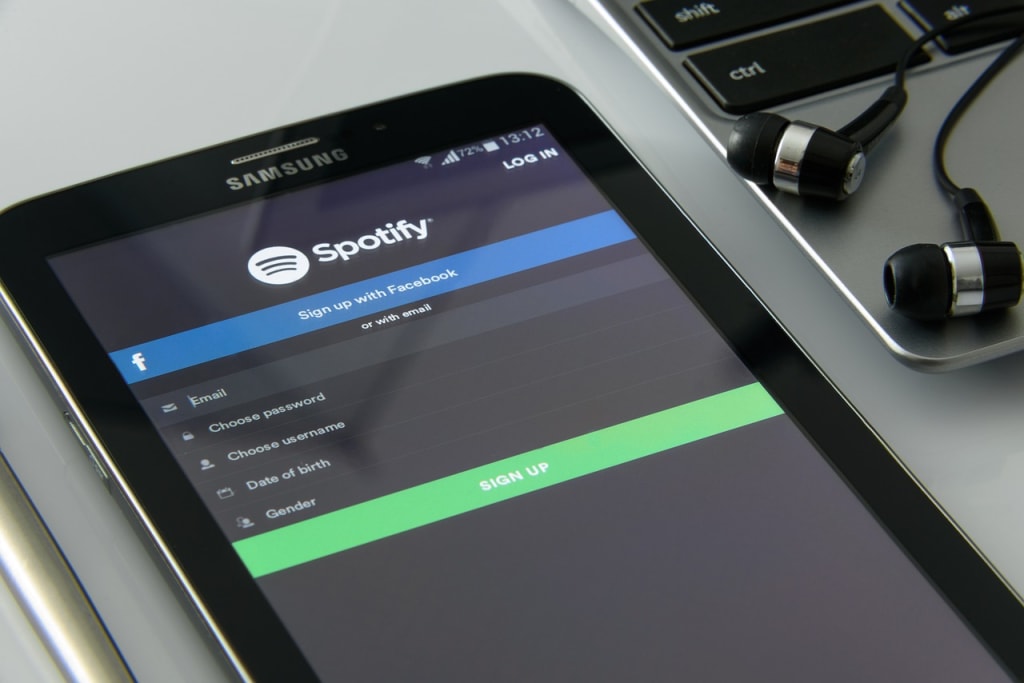
Music has always been more than just a form of entertainment. It is a universal language that transcends borders, connects people, and shapes cultures. The digital era has transformed how we consume music, bringing creators closer to their audiences while redefining the business of music. From the innovative platforms we use to the individuals behind them, the journey of modern music’s evolution is a fascinating story.
This article explores the intersection of global streaming platforms, music entrepreneurship, career opportunities, and the growing importance of regional music industries. Let’s take a deep dive into how players like Spotify and SoundCloud, alongside local giants like Anand Audio, have revolutionized music for fans and creators alike.
The Rise of Streaming Platforms
The advent of music streaming services has revolutionized the way people access and experience music. Platforms like Spotify, Apple Music, and Tidal have made music instantly accessible, allowing fans to listen to millions of songs with just a few taps on their smartphones.
Spotify, in particular, has become a household name. But have you ever wondered who owns Spotify? Spotify was founded in 2006 by Daniel Ek and Martin Lorentzon in Stockholm, Sweden. Today, it stands as one of the largest streaming services in the world, offering personalized playlists, podcasts, and even video content to over 500 million active users globally.
However, Spotify’s success wasn’t just about technology; it was about its user-centric approach. By combining machine learning algorithms with curated human input, Spotify created a music discovery experience that was tailored to each user. This not only benefited fans but also gave new artists a platform to shine.
The SoundCloud Phenomenon
While Spotify caters to mainstream music, SoundCloud offers a home for independent artists and emerging talent. Founded in 2007 by Alexander Ljung and Eric Wahlforss, SoundCloud’s unique value lies in its ability to empower creators. By providing an open platform where anyone can upload and share music, SoundCloud became a game-changer for artists who didn’t have access to traditional record labels.
The entrepreneurial vision of the SoundCloud founders laid the foundation for what we now call the "creator economy." Today, many artists credit SoundCloud for giving them their start in the industry. It also introduced the world to genres like lo-fi beats, chillwave, and bedroom pop—niche categories that found mainstream popularity through its platform.
Career Opportunities in the Music Industry
As digital platforms have reshaped the music landscape, they have also created a wealth of opportunities for professionals. From data analysts and playlist curators to sound engineers and marketers, the rise of streaming has expanded the scope of music jobs.
Here are a few areas where professionals can thrive:
Music Tech: Companies like Spotify and SoundCloud require developers, data scientists, and UI/UX designers to keep their platforms running seamlessly.
Marketing and Branding: Artists and labels need social media strategists, graphic designers, and branding experts to promote their work effectively.
Content Curation: Curating playlists or managing podcasts is now a full-time role in the streaming era.
Music Education: As more people aspire to make music, the demand for skilled instructors and online course creators has skyrocketed.
Event Management: From virtual concerts to physical music festivals, event planning remains a thriving segment of the industry.
For aspiring professionals, the music industry offers a dynamic, fast-paced environment with room for creativity and innovation.
The Expansion of Spotify in India
A significant milestone in the global music industry was the Spotify launch date in India—February 26, 2019. India, with its diverse culture and rich musical heritage, presented both an opportunity and a challenge for Spotify.
To cater to the Indian audience, Spotify introduced regional playlists in languages like Hindi, Tamil, Telugu, and Punjabi. It also worked to understand the listening habits of Indian users, incorporating Bollywood, devotional, and classical music into its offerings.
The Role of Regional Labels in Music’s Evolution
While global platforms like Spotify dominate headlines, regional players like Anand Audio have been instrumental in preserving and promoting local music. Based in Bangalore, India, Anand Audio specializes in Kannada-language music and has been a pioneer in producing and distributing regional songs.
Under the leadership of the Anand Audio owner, the label has embraced digital transformation by making its catalog available on streaming platforms and YouTube. This forward-thinking approach has not only expanded the reach of Kannada music but also connected it with a younger, tech-savvy audience.
Anand Audio’s success underscores the importance of supporting local talent in an increasingly globalized music market. By balancing tradition with innovation, it has carved out a niche for itself while contributing to the broader evolution of the music industry.
The Future of Music: What Lies Ahead?
The music industry is constantly evolving, driven by advancements in technology, shifts in consumer behavior, and the creativity of its players. Here are a few trends shaping its future:
Artificial Intelligence: AI is being used to create personalized playlists, recommend new artists, and even compose music.
Blockchain and NFTs: These technologies offer new ways for artists to monetize their work directly, bypassing traditional intermediaries.
Virtual Reality Concerts: As the metaverse grows, VR concerts are becoming a popular way for fans to connect with their favorite artists.
Sustainability: From eco-friendly merchandise to carbon-neutral tours, the industry is becoming more conscious of its environmental impact.
Cultural Crossovers: Platforms are promoting collaborations between artists from different cultures, resulting in exciting new genres and styles.
Conclusion
The journey from founders to fans is a testament to how the music industry has embraced change while staying true to its core purpose: connecting people through the power of sound. Whether it’s Spotify’s global reach, SoundCloud’s support for indie artists, or Anand Audio’s dedication to regional music, each player has contributed uniquely to this evolution.
About the Creator
Enjoyed the story? Support the Creator.
Subscribe for free to receive all their stories in your feed.
Comments
There are no comments for this story
Be the first to respond and start the conversation.