
Exploring Cultural Music Narratives Across the Globe
music
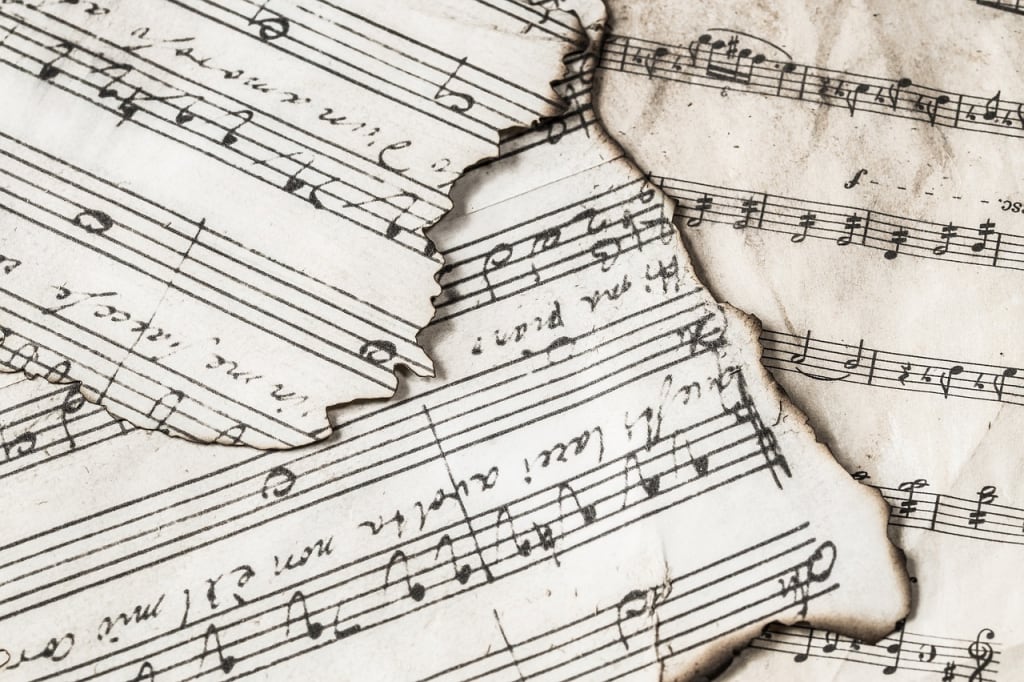
Music is a universal language that transcends borders, offering a glimpse into the heart and soul of different cultures. While the melodies and rhythms often captivate listeners, the stories embedded in cultural music are what truly make it magical. From the soaring operas of Europe to the infectious beats of African drums, music acts as a bridge, connecting people across time and space. In today’s digital era, exploring cultural music has become more accessible, offering listeners the opportunity to engage with global traditions and unique narratives.
The Historical Roots of Cultural Music
Cultural music has always played a vital role in societies, often reflecting the history, struggles, and triumphs of a community. Ancient civilizations like the Egyptians and Greeks used music not just for entertainment but as an integral part of ceremonies and rituals. In India, the classical ragas have been passed down for centuries, representing a deep connection between music and spirituality. These historical roots give each genre its distinct identity, allowing listeners to feel a sense of continuity and belonging.
In Germany, the tradition of songwriting has evolved significantly, with lyrical depth often being a hallmark. Understanding German song lyrics reveals profound stories about love, folklore, and the resilience of the human spirit. By delving into these narratives, one uncovers a treasure trove of cultural heritage that continues to inspire generations.
Language and Its Role in Cultural Narratives
One of the most striking features of cultural music is the diversity of languages used. Lyrics in native languages offer authenticity and a sense of rootedness. Songs composed in regional dialects often reflect local traditions, struggles, and celebrations. Take, for example, the powerful storytelling found in African tribal songs or the poetic verses of Persian ghazals. These narratives are best appreciated in their original languages, as translations often fail to capture the nuances and emotional depth.
With advancements in technology, platforms like YouTube Music Search have made it easier for audiences to discover music in different languages. By simply typing in a keyword, users can access curated playlists, translations, and cultural backgrounds, making it possible to immerse themselves in music they might never have encountered otherwise.
Music as a Medium of Storytelling
Cultural music is often a powerful storytelling medium. Folk songs, for instance, are rich with tales of bravery, love, and loss. In countries like Ireland, folk ballads recount historical events such as wars and migrations. In Latin America, corridos narrate the lives of legendary figures, offering a window into the socio-political climate of the times.
Modern composers often draw inspiration from these traditional forms. Tools like Audio Machine have enabled artists to blend old and new sounds seamlessly. By incorporating traditional rhythms with contemporary arrangements, musicians create compelling narratives that appeal to both younger and older audiences. This fusion ensures that cultural stories remain alive while reaching new listeners.
Cultural Music as a Tool for Social Change
Music is not just entertainment—it is a tool for activism and social change. Throughout history, cultural music has been used to challenge injustices, inspire movements, and unite communities. During the American Civil Rights Movement, songs like “We Shall Overcome” became anthems of hope and resistance. Similarly, traditional African music played a significant role in fostering solidarity during struggles against colonialism.
Even today, artists signed by influential labels, including a prominent Sony singer, often incorporate themes of social justice into their work. These songs resonate deeply with audiences, reminding them of the collective strength of humanity. By blending cultural narratives with contemporary issues, musicians amplify their messages, making them both relevant and impactful.
The Globalization of Cultural Music
Globalization has made it easier for cultural music to reach audiences worldwide. Streaming platforms, social media, and international collaborations have brought unique sounds to the forefront. For instance, K-pop, rooted in South Korean traditions, has become a global phenomenon. Similarly, Afrobeat, with its infectious rhythms, has found fans far beyond Africa.
The influence of the largest music company in the world cannot be understated in this context. These organizations play a significant role in promoting cultural music on a global scale, investing in artists who blend traditional and modern styles. By providing a platform for diverse voices, they ensure that cultural narratives continue to thrive and evolve.
The Role of Technology in Preserving Cultural Narratives
Technology has revolutionized how cultural music is created, preserved, and shared. Advanced recording techniques and digital platforms allow for high-quality productions that capture the essence of traditional music. At the same time, archiving tools ensure that even the most obscure songs are preserved for future generations.
With tools like Audio Machine, artists can experiment with sounds and create compositions that honor their roots while embracing modernity. This synergy between tradition and innovation is what keeps cultural music relevant in a rapidly changing world.
Why Exploring Cultural Music Matters
Understanding cultural music is more than just a listening experience—it’s a journey into the heart of a community. It offers insights into their values, struggles, and aspirations, fostering empathy and mutual respect. In a world that often feels divided, music has the unique power to bring people together.
Take, for example, the rich tradition of German songwriting. By exploring German song lyrics, listeners can appreciate the depth of German culture, from its romantic ballads to its protest songs. Each lyric tells a story, offering a glimpse into the experiences that have shaped a nation.
Conclusion
Cultural music is a testament to the creativity and resilience of humanity. It tells stories that resonate across generations, offering lessons about history, identity, and the human condition. In a world where technology often creates divisions, music remains a unifying force, reminding us of our shared humanity.
About the Creator
Enjoyed the story? Support the Creator.
Subscribe for free to receive all their stories in your feed.
Comments
There are no comments for this story
Be the first to respond and start the conversation.