
Empowering Artists Through Modern Tools and Platforms
music
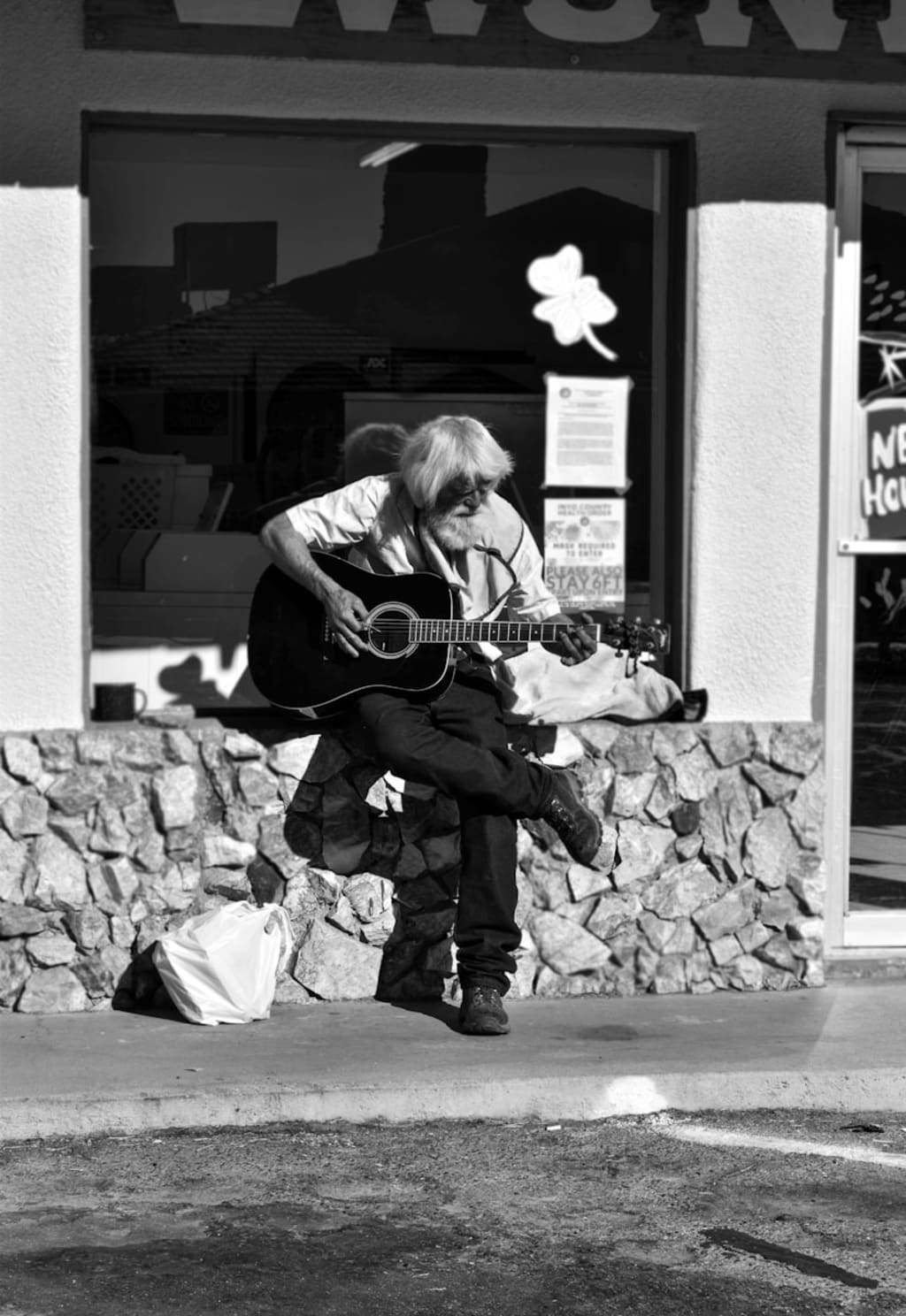
The digital revolution has fundamentally altered the music industry, providing artists with unprecedented opportunities for creation, distribution, and engagement with audiences. Gone are the days when a musician’s success was primarily dictated by a few record labels and limited access to the mainstream media. Now, artists have access to a vast array of digital platforms and tools that help them manage their careers, reach global audiences, and even generate revenue in new and innovative ways. Whether through collaborative music collectives, streaming services, or digital music creation platforms, modern tools have drastically transformed how musicians create and share their art.
At the heart of this transformation are digital platforms and organizations that offer artists the opportunity to collaborate, create, and grow their fan base without needing traditional gatekeepers. In this article, we will explore the role of these platforms in empowering musicians, from the groundbreaking work of music collectives like All Saints Music Group to global collaboration projects like We Are the World Song. We will also take a closer look at the technological advancements that have shaped the music industry, such as Think Music and how services like Tencent Music and Music Generation Spotify are providing artists with unique tools for growth.
The evolution of music platforms goes hand in hand with the rise of independent artists. For decades, a musician’s journey was largely determined by the whims of record executives. However, the emergence of platforms designed to empower artists has shifted the power dynamics of the industry. The internet has democratized music production and distribution, enabling creators from all walks of life to participate in the global musical conversation.
The Rise of Collaborative Music Groups
One of the most impactful trends in the modern music industry is the growth of music collectives, such as the All Saints Music Group. These collectives are changing the way artists interact, collaborate, and support each other. By banding together, artists can share resources, ideas, and connections, allowing for greater creativity and better access to marketing tools and distribution channels. Unlike traditional record labels, which often focus on profit margins, these collectives tend to prioritize the creative vision of the artists they represent.
All Saints Music Group, for example, provides an inclusive space where artists are encouraged to innovate and experiment without the constraints typically found in major record labels. The collective nature of the group enables musicians to tap into a network of collaborators who share similar artistic values and goals. This collaborative ethos not only enriches the music itself but also creates an environment where artists can thrive without being beholden to the commercial interests of larger corporations. For many independent musicians, groups like All Saints Music Group have been instrumental in providing access to resources and a sense of community that they would otherwise lack.
Moreover, platforms like this have allowed for increased exposure of underrepresented artists, further promoting diversity within the music industry. With digital platforms, music is no longer confined to the traditional top-down structures that often exclude lesser-known musicians. Instead, innovative collectives are shaping the way music is created, distributed, and consumed in the digital age.
Global Collaboration: The Power of "We Are the World"
Global collaboration has long been a hallmark of the music industry, but it has taken on new meaning in the digital age. Projects like the We Are the World Song are prime examples of how musicians can use their platform to make a difference. This song, which was originally written by Michael Jackson and Lionel Richie and performed by dozens of top artists in the 1980s, raised millions of dollars for famine relief in Africa. The concept of coming together as a global musical force is more relevant than ever, especially as digital platforms now make it possible for musicians from all corners of the world to collaborate and engage in projects that have a real-world impact.
Today, digital collaboration allows musicians from different countries and cultures to join forces in creating music that transcends geographic borders. Platforms like SoundCloud, Bandcamp, and even YouTube offer musicians the opportunity to share their work globally, reaching audiences far beyond their local or national communities. These platforms also enable artists to collaborate remotely, record music from their homes or studios, and produce content that resonates with people from diverse backgrounds.
In this way, global collaboration projects like "We Are the World" become more feasible and impactful, as the internet provides the infrastructure for musicians to come together regardless of where they are located. The growth of digital tools for collaboration is not just empowering musicians to make music but also allowing them to influence social causes and make their voices heard on a global scale.
Conclusion
The digital age has opened a vast array of opportunities for musicians, empowering them to take control of their careers and engage with a global audience. From collaborative collectives like All Saints Music Group to powerful streaming platforms like Tencent Music, and innovative tools such as Think Music, the modern musician is better equipped than ever before to succeed. As the industry continues to evolve, platforms like We Are the World Song and Music Generation Spotify will only continue to shape the way artists create and connect with their audiences.
As the music industry continues to embrace these advancements, we must ask: What does the future hold for musicians
About the Creator
Enjoyed the story? Support the Creator.
Subscribe for free to receive all their stories in your feed.
Comments
There are no comments for this story
Be the first to respond and start the conversation.