
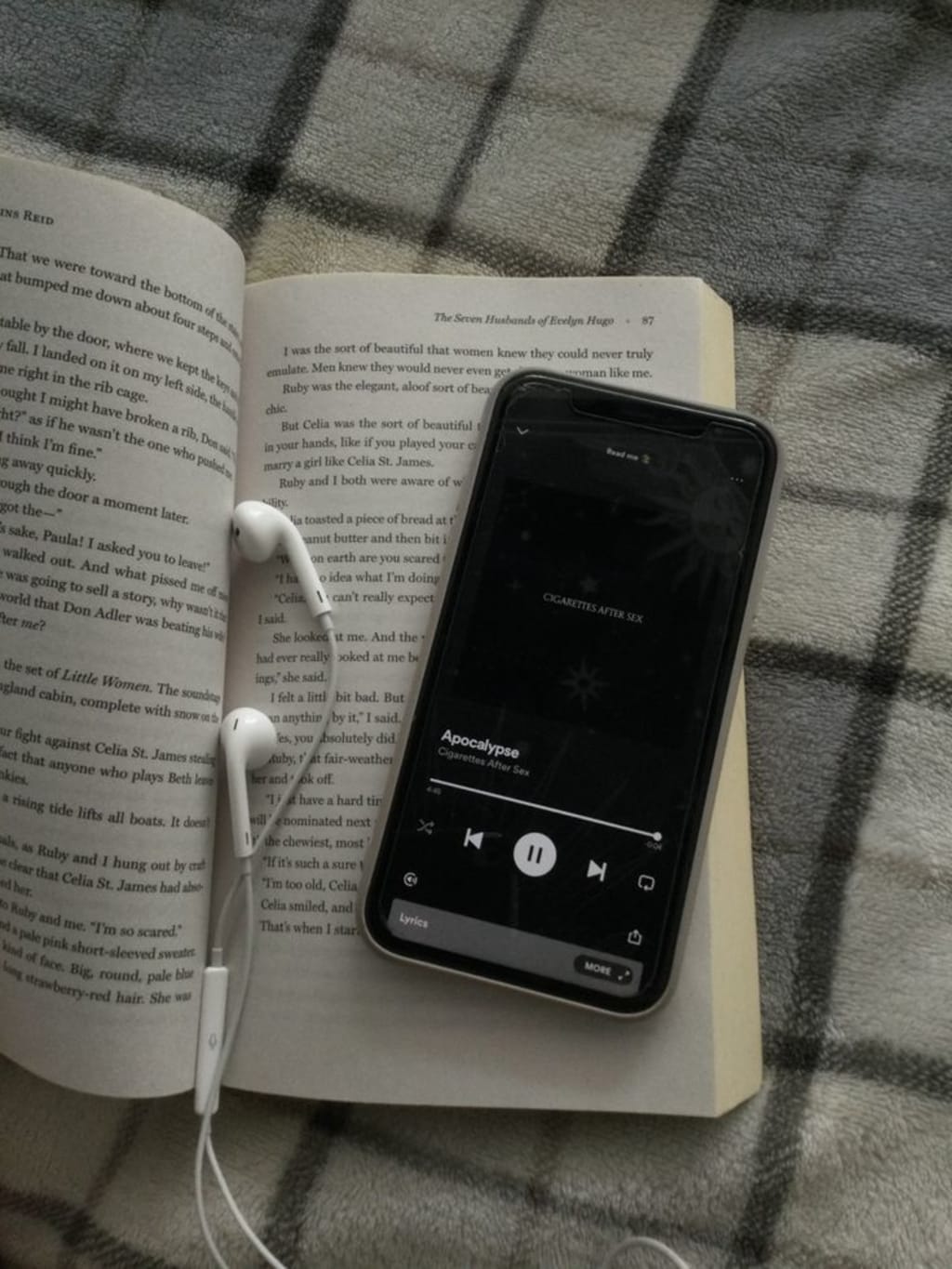
The music industry has undergone a massive transformation with the advent of digital streaming platforms. Gone are the days when physical sales dominated; today, streams and downloads shape how artists earn their income. While this shift has brought unparalleled opportunities, it has also raised important questions about royalties, licensing, and effective strategies for maximizing earnings. This article delves into the world of artist royalties in the digital era, highlighting crucial considerations for cover songs, remixes, licensing agreements, and Spotify campaigns.
What Are Music Royalties?
Royalties are the lifeblood of an artist’s income. They are payments made to musicians, songwriters, or producers for the use of their music. These can stem from physical sales, digital downloads, or streaming on platforms like Spotify. However, the system is complex, with multiple revenue streams and rights holders involved.
When it comes to digital platforms, streaming royalties often take center stage. Understanding how these are calculated is crucial for artists who want to make the most of their music's performance online.
Do I Have to Pay Royalties for Cover Songs?
If you’re planning to perform and distribute a cover song, the question of royalties inevitably arises. Covering a song involves reproducing a previously released work, which requires licensing to ensure that the original creator is compensated. This includes obtaining a mechanical license for the reproduction and distribution of the song.
For independent musicians, the query do I have to pay royalties for cover songs is a critical one. Without proper licensing, you risk legal repercussions and the removal of your music from platforms. By obtaining the necessary permissions, you ensure that the creators behind the original work are fairly compensated while securing your rights to distribute your cover legally.
Navigating Licensing Agreements
Music licensing is often seen as a daunting subject, but it doesn’t have to be. Licensing agreements define the relationship between the rights holder (such as the original artist or publisher) and the licensee (the performer or distributor). A sample music license agreement can serve as a valuable resource for understanding these arrangements.
Such agreements outline key elements like:
The scope of usage (e.g., streaming, live performances).
The territories in which the music can be used.
The payment structure, including royalties.
Having a solid grasp of licensing ensures that you’re legally protected and fosters transparency between all parties involved.
Can You Release Remixes on Spotify?
Remixing is a popular way for artists to reinterpret existing music and reach new audiences. However, the question remains: can you release remixes on Spotify? The answer lies in obtaining proper permissions.
A remix requires a derivative work license from the original artist or their publisher. This ensures that the rights holders approve the modification of their work and are compensated for its distribution. Failing to secure this license could result in legal challenges or the removal of your remix from Spotify and other platforms.
Spotify has clear guidelines regarding remixes, so it’s essential to familiarize yourself with these rules before publishing your work. A well-executed remix can boost your visibility, attract listeners, and even contribute to your royalty earnings.
Maximizing Artist Royalties on Spotify
Streaming services like Spotify have become indispensable for artists, offering global reach and consistent revenue streams. However, the distribution of artist royalties on Spotify can be a contentious issue. Artists are often paid per stream, but the rate varies based on factors such as the listener’s location and the type of Spotify account they use (free vs. premium).
To maximize your earnings:
Promote Your Music Actively: Encourage fans to stream your songs repeatedly.
Build Playlists: Feature your songs in curated playlists to increase exposure.
Focus on High-Engagement Listeners: Target premium users who contribute more to the royalty pool.
Optimize Metadata: Ensure your tracks are correctly tagged and categorized to improve discoverability.
Understanding the nuances of Spotify’s royalty system empowers artists to make informed decisions about their music distribution strategies.
Leveraging Spotify Pre-Save Campaigns
A Spotify pre-save campaign is one of the most effective tools for boosting your song’s visibility and ensuring a successful launch. These campaigns allow fans to save your upcoming release to their library, ensuring they listen to it as soon as it goes live.
Benefits of a pre-save campaign include:
Increased Early Streams: Fans who pre-save are more likely to listen on release day.
Improved Chart Performance: Early engagement can push your track onto Spotify’s algorithmic playlists.
Stronger Fan Connection: A pre-save campaign keeps your audience engaged and excited about your music.
To run a successful pre-save campaign, use engaging visuals, teasers, and a countdown to build anticipation. Partnering with a distributor that offers pre-save functionality can streamline the process.
The Future of Royalties in the Digital Era
As technology evolves, so does the way royalties are calculated and distributed. Blockchain technology, for example, holds promise for improving transparency and ensuring fair payouts. Additionally, direct-to-fan platforms are giving artists greater control over their revenue streams.
By staying informed about these developments and adopting best practices for licensing, distribution, and promotion, artists can thrive in the ever-changing music industry landscape.
Conclusion
Earning royalties in the digital world requires a mix of creativity, legal knowledge, and strategic planning. From understanding the intricacies of cover song royalties to mastering pre-save campaigns, every step plays a crucial role in maximizing your income as a musician.
Have you explored these strategies in your music career? Share your thoughts and experiences in the comments below!
About the Creator
Enjoyed the story? Support the Creator.
Subscribe for free to receive all their stories in your feed.
Comments
There are no comments for this story
Be the first to respond and start the conversation.