
Crafting the Perfect Home Studio: A Comprehensive Guide
A Comprehensive Guide
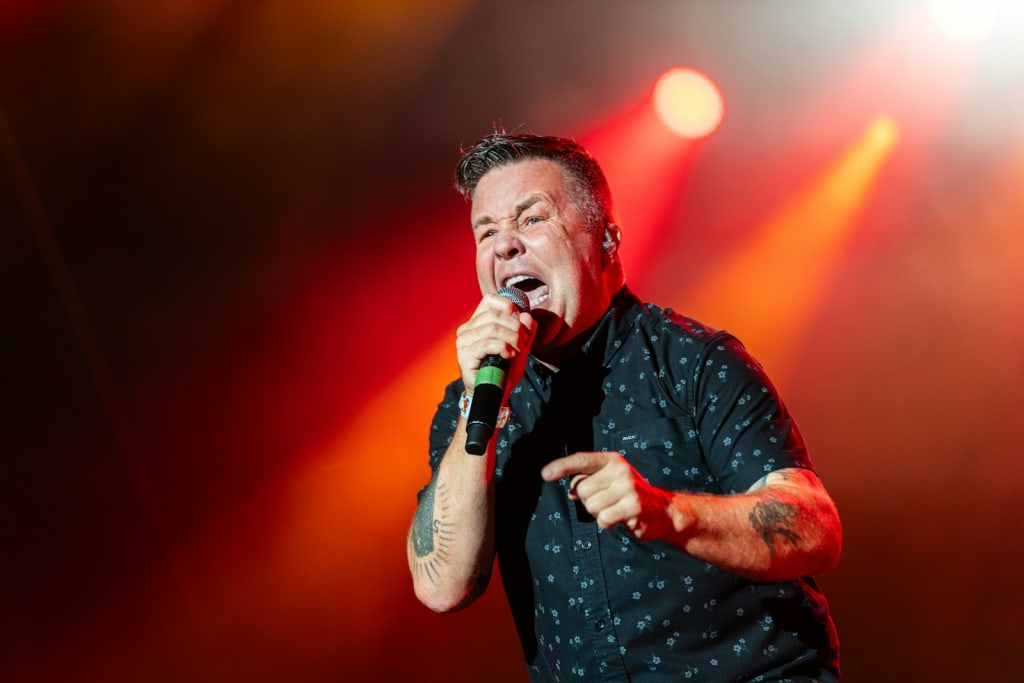
Creating a home music studio is an exciting venture for any aspiring or professional musician. It is not just about having a space to record but about crafting an environment that nurtures creativity and delivers professional-quality results. Whether you're starting from scratch or upgrading your current setup, this guide will provide actionable steps to help you get started and thrive as a music artist.
The Basics of Studio Design
The first step in building a music studio is understanding your space. Choose a room that minimizes external noise and allows for proper sound treatment. Small, enclosed areas can amplify unwanted sounds, so it's important to mitigate this by adding acoustic foam panels, bass traps, and diffusers. These elements help create an environment with balanced sound reflection and absorption. If you're unsure about the technical details, a quick search on how to create a studio can give you a clear roadmap to follow.
Moreover, organizing your space for efficiency is crucial. Arrange your desk, monitors, and other essential equipment ergonomically to reduce fatigue during long sessions. A clutter-free and well-lit studio space is not only aesthetically pleasing but also highly functional.
The Importance of a Microphone Setup
At the heart of any music studio lies the microphone. It's an essential tool for capturing your vocals or instrumentals. However, owning a good microphone is not enough; you need a proper microphone studio setup to make the most of it. Begin with a solid mic stand that ensures stability and a pop filter to reduce plosive sounds. For better sound quality, use a shock mount to minimize vibrations and noise interference.
Placement is also key—position your microphone at an optimal distance and angle to capture the nuances of your voice or instrument. Testing different placements and settings will help you achieve the desired output.
Investing in High-Quality Microphones
The type of microphone you choose can dramatically affect your recordings. If you're unsure where to start, researching the best mics to record vocals is a good idea. Condenser microphones are ideal for studio recording because they are sensitive and capable of capturing fine details. Dynamic microphones, on the other hand, are more durable and suited for live performances or capturing loud sounds.
When shopping for a microphone, consider factors such as frequency response, polar patterns, and build quality. High-quality microphones are an investment, but they pay off by delivering clarity and precision in your recordings.
Using Technology to Enhance Your Creativity
Modern technology offers numerous tools to enhance the music creation process. For instance, music identification software allows you to upload a song to find the name of a track. This is particularly helpful if you're looking for inspiration or trying to identify samples for your own projects.
In addition, digital audio workstations (DAWs) provide a robust platform for recording, editing, and mixing your music. Some popular DAWs include Ableton Live, Logic Pro, and FL Studio. Pairing these tools with high-quality plugins can elevate your production quality and expand your creative possibilities.
Building a Productive Workflow
Efficiency is essential in a home studio. Start by setting clear goals for each session, whether it's recording vocals, editing tracks, or experimenting with new sounds. Having a plan helps you stay focused and makes the best use of your time.
Another important aspect is managing your equipment and software. Regular maintenance of your gear ensures longevity and consistent performance. Similarly, keeping your software updated allows you to access new features and maintain compatibility with other tools.
Lastly, remember to take breaks and avoid burnout. Creativity thrives when you strike a balance between productivity and relaxation.
Conclusion
Creating a home music studio involves more than just purchasing equipment—it’s about designing a space that supports your artistic vision. By learning how to create a studio, mastering a microphone studio setup, and investing in the best mics to record vocals, you can elevate your music to new heights. Don’t forget to leverage tools that let you upload a song to find the name of tracks that inspire you, ensuring your creative journey remains vibrant and dynamic.
About the Creator
Enjoyed the story? Support the Creator.
Subscribe for free to receive all their stories in your feed.
Comments
There are no comments for this story
Be the first to respond and start the conversation.