
Choosing the Right Scissor Lift Trolley: Key Factors to Consider
Key Factors to Consider When Choosing a Scissor Lift Trolley
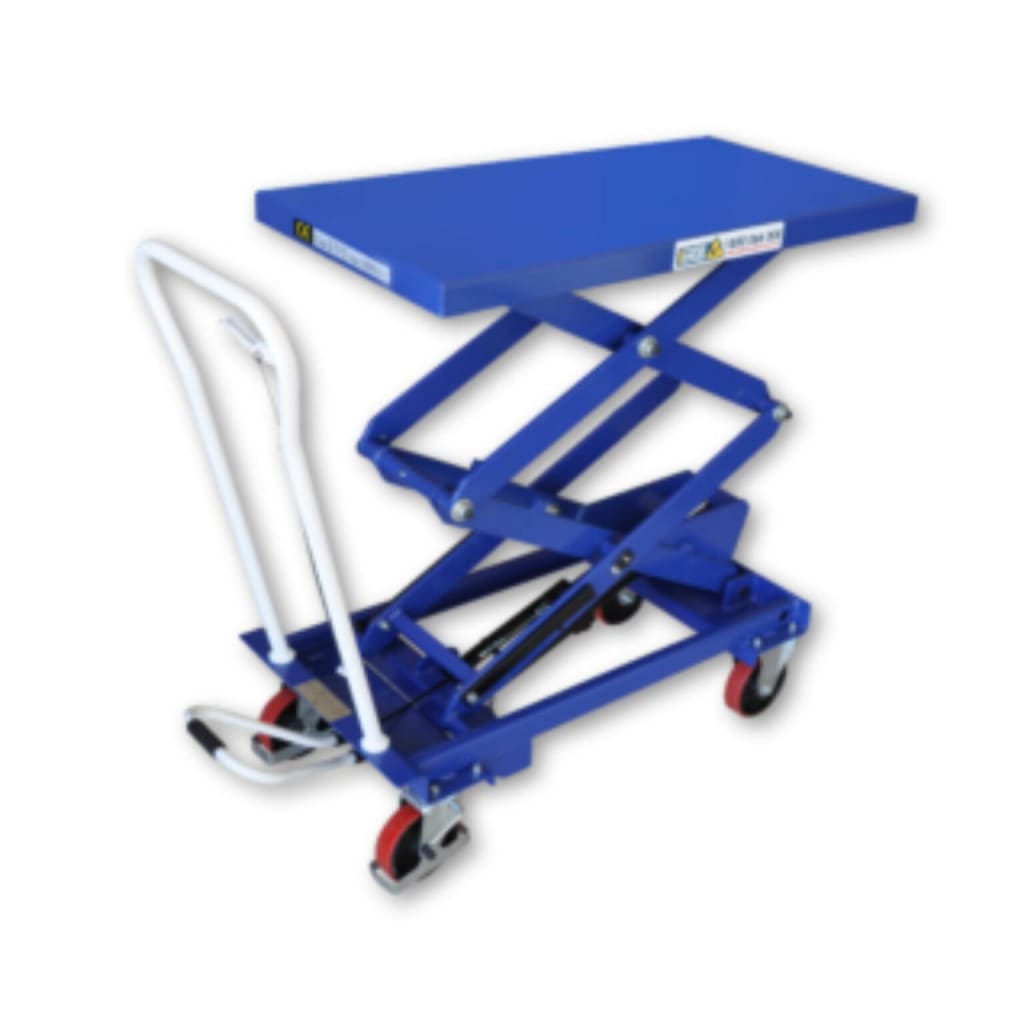
Selecting the right scissor lift trolley is crucial for businesses and industries that rely on efficient material handling and workplace safety. Whether used in warehouses, factories, workshops, or retail environments, these versatile tools help workers lift, transport, and position heavy loads without excessive manual effort. However, with various models available in the market, choosing the best scissor lift trolley requires careful consideration of multiple factors.
In this comprehensive guide, we’ll explore the key aspects you need to evaluate when purchasing a scissor lift trolley, ensuring that your investment aligns with operational requirements and safety standards.
Understanding Scissor Lift Trolleys
A scissor lift trolley is a mobile lifting platform designed to assist workers in raising and transporting heavy objects. The lifting mechanism features scissor-like arms, allowing height adjustments for ergonomic handling. These trolleys come in manual, hydraulic, and electric-powered variants, catering to different workplace demands.
Why Scissor Lift Trolleys Are Essential
- Improves Workplace Efficiency – Reduces manual effort, enhancing productivity.
- Enhances Safety – Minimizes lifting-related injuries.
- Offers Height Adjustability – Provides an ergonomic working position.
- Boosts Material Handling – Streamlines warehouse and manufacturing operations.
Now, let’s dive into the key factors to consider when choosing the best scissor lift trolley for your needs.
Key Factors to Consider When Choosing a Scissor Lift Trolley
1. Load Capacity
One of the most critical considerations is the load capacity of the trolley. Different models come with varying weight-bearing limits, typically ranging from 150 kg to 1000 kg or more.
How to Choose the Right Load Capacity
✔ Identify the maximum weight of materials or equipment you need to lift.
✔ Choose a trolley with a slightly higher load capacity than required to ensure durability.
✔ Opt for heavy-duty models for industrial use and lighter capacities for small-scale operations.
Example:
If your warehouse regularly moves heavy machinery parts weighing around 700 kg, selecting a 1000 kg capacity trolley provides additional support without risk of overloading.
2. Lift Height
The maximum height a trolley can extend is essential for various applications. Scissor lift trolleys typically range between 500 mm to 2000 mm in lifting height, depending on the model.
Factors to Consider for Lift Height:
✔ Determine the required elevation for lifting tasks.
✔ Choose adjustable models for flexible operations.
✔ Opt for higher lift heights for stacking tasks or assembly lines.
Example:
If your factory requires lifting components to workbench height, a 1000 mm scissor lift trolley may be ideal. However, for stacking or multi-tier workstations, a higher lifting capacity trolley may be more efficient.
3. Type of Lifting Mechanism
Scissor lift trolleys come in different lifting mechanisms, each suited to various levels of usage.
Types of Lifting Mechanisms:
🔹 Manual Scissor Lift Trolleys – Operated using foot pedals or hand cranks. Ideal for low-frequency lifting in small-scale environments.
🔹 Hydraulic Scissor Lift Trolleys – Uses a hydraulic pump for effortless lifting. Suitable for medium-load handling in warehouses and workshops.
🔹 Electric Scissor Lift Trolleys – Powered by electric motors. Best for high-volume lifting tasks with minimal manual effort.
How to Decide:
✔ For light-duty applications, manual lift trolleys are cost-effective.
✔ For regular use, hydraulic models provide balanced efficiency.
✔ For heavy-duty operations, electric models reduce workload and improve productivity.
4. Mobility and Wheels
Mobility plays a significant role in smooth material handling. Choosing the right wheel type and mobility features ensures seamless transportation of goods.
Wheel Considerations:
✔ Select heavy-duty wheels for industrial surfaces.
✔ Opt for swivel casters for better maneuverability.
✔ Look for braking systems for stability during operations.
Example:
For warehouse logistics, trolleys with reinforced wheels handle uneven surfaces. In assembly lines, swivel wheels allow easy movement without excessive repositioning.
5. Safety Features
Workplace safety is non-negotiable, making it vital to invest in a trolley equipped with essential safety mechanisms.
Safety Features to Look For:
✔ Locking Mechanism – Prevents accidental lowering of the platform.
✔ Anti-Slip Surface – Ensures materials remain securely positioned.
✔ Overload Protection – Prevents excessive weight damage.
✔ Ergonomic Handles – Provides better grip for user control.
Example:
An anti-slip surface is crucial for transporting fragile items in pharmaceutical or chemical industries, preventing accidental spills or damage.
6. Durability and Build Material
Selecting a high-quality scissor lift trolley ensures long-term reliability and minimal maintenance.
Factors That Affect Durability:
✔ Material Composition – Choose steel-based trolleys for heavy-duty usage.
✔ Corrosion Resistance – Opt for coated surfaces to prevent rust.
✔ Reinforced Joints – Ensure scissor arms have a sturdy construction.
Example:
In outdoor environments, choosing a stainless steel trolley with rust-resistant coating ensures prolonged usability even in humid conditions.
7. Customisation Options
Some manufacturers offer customizable scissor lift trolleys tailored to specific business requirements.
Customisation Possibilities:
✔ Adjustable height modifications.
✔ Additional safety features like barriers and stabilizers.
✔ Battery-powered lifting for remote usability.
If your workplace requires specialized loading and lifting processes, a custom scissor lift trolley can optimize efficiency.
Conclusion
Choosing the right scissor lift trolley depends on factors such as load capacity, lift height, lifting mechanism, mobility, safety, durability, and customization. Investing in the right model enhances workplace efficiency, reduces injuries, and ensures smooth material handling across industries.
Before making a purchase, assess your operational needs, compare different models, and opt for a trolley that aligns with your business requirements. By selecting the ideal scissor lift trolley, you’ll significantly improve workplace productivity and safety, making it a valuable long-term investment.
About the Creator
Enjoyed the story? Support the Creator.
Subscribe for free to receive all their stories in your feed.
Comments
There are no comments for this story
Be the first to respond and start the conversation.