
California DMV Data Sharing and the Quiet Privacy Fear
Most people don’t think about their personal data when they stand in line for a driver’s license. It feels routine. A form, a photo, a signature.

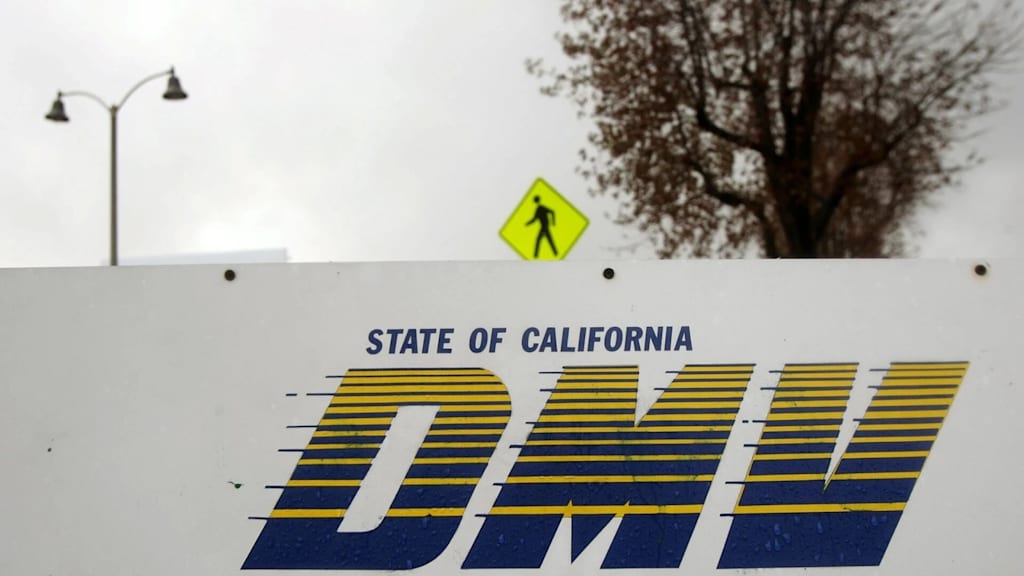
Most people don’t think about their personal data when they stand in line for a driver’s license. It feels routine. A form, a photo, a signature. But behind that simple process, information moves in ways many don’t fully understand. The topic of “california dmv data sharing” has started to raise quiet concerns, not because something dramatic happened overnight, but because people are beginning to ask deeper questions. Where does their data go? Who can access it? And how much control do they really have? These questions are not just technical. They are personal. Because when it comes to identity, even small uncertainties can feel bigger than expected.
What California DMV Data Sharing Means
Understanding the Basics
The California Department of Motor Vehicles collects personal information from millions of residents.
This includes names, addresses, driver’s license details, and vehicle records.
Data sharing refers to how this information is accessed or shared with other entities.
These entities may include government agencies, law enforcement, and in some cases, private organizations.
Why Data Is Shared
Data sharing is not always negative.
It often serves practical purposes.
For example, law enforcement agencies may need access to identify individuals or verify records.
Insurance companies may use certain data for claims or verification.
However, the concern begins when people are unclear about how far that sharing goes.
The Personal Nature of DMV Data
More Than Just Records
DMV data is not just numbers or files.
It represents real people.
Each record contains information tied to someone’s daily life.
Address details can reveal where someone lives.
Vehicle information can indicate patterns of movement.
Why It Feels Sensitive
Unlike social media, DMV data is not something people choose to share publicly.
It is required.
This makes it feel more personal.
More controlled.
And when that control feels uncertain, concern grows.
How California DMV Data Sharing Works
Legal Framework
Data sharing by the DMV is governed by laws and regulations.
These laws define who can access information and under what conditions.
For example, certain federal and state laws allow data to be shared for specific purposes.
Controlled Access
Not everyone can access DMV data.
There are restrictions.
Requests often need to meet specific criteria.
However, the details of these processes are not always clear to the public.
Public Concerns Around Data Sharing
Lack of Awareness
Many people are not aware of how their data is used.
This lack of awareness creates uncertainty.
When people don’t know what is happening, they may assume the worst.
Fear of Misuse
There is concern about data being used beyond its intended purpose.
For example, if information is shared with multiple agencies, it becomes harder to track.
This raises questions about accountability.
Real-Life Context
Everyday Situations
Imagine applying for a driver’s license.
You provide your personal details without much thought.
Later, you learn that some of that information may be accessible to other organizations.
Even if it is legal, it can feel unexpected.
The Emotional Reaction
This realization can create discomfort.
Not because something wrong has happened.
But because the process feels distant.
Out of personal control.
Balancing Safety and Privacy
The Need for Data Sharing
There are valid reasons for sharing DMV data.
Public safety is one of them.
Law enforcement relies on accurate information.
This can help in emergencies or investigations.
The Need for Privacy
At the same time, privacy matters.
People want to know that their personal information is protected.
Balancing these two needs is not simple.
It requires careful consideration.
The Role of Technology
Increasing Data Access
Modern systems make it easier to store and share data.
Information can be accessed quickly.
This improves efficiency.
But it also increases risk.
Data Security Challenges
Protecting data is an ongoing challenge.
Systems must prevent unauthorized access.
They must also ensure that data is used correctly.
Any weakness can lead to concerns.
Why “California DMV Data Sharing” Is Being Searched
Growing Awareness
People are becoming more aware of data privacy issues.
They are asking more questions.
They want to understand how systems work.
News and Discussions
Public discussions about privacy often bring attention to topics like DMV data sharing.
This increases search interest.
It reflects a broader concern about personal information.
Laws and Protections
Existing Safeguards
There are laws designed to protect DMV data.
These laws limit how information can be shared.
They also define penalties for misuse.
Limitations
No system is perfect.
Even with laws, concerns remain.
People may not fully trust that their data is always handled correctly.
What People Can Do
Stay Informed
Understanding how data is used is an important first step.
It helps reduce uncertainty.
Ask Questions
If something is unclear, asking questions can provide clarity.
This includes understanding rights and options.
The Emotional Side of Data Privacy
Feeling Exposed
When people think about their data being shared, they may feel exposed.
Even if nothing harmful has happened.
The idea itself can create discomfort.
The Need for Control
People want to feel in control of their personal information.
When that control feels limited, it affects trust.
A Broader Reflection on Privacy
Beyond the DMV
Data sharing is not limited to one agency.
It exists across many systems.
Understanding one example helps understand the larger picture.
Changing Expectations
As technology evolves, expectations about privacy change.
People are more aware.
More cautious.
Looking Ahead
The conversation around california dmv data sharing is likely to continue.
As awareness grows, so will questions.
Agencies may need to provide more clarity.
More transparency.
Final Thoughts
California DMV data sharing is not just a technical issue.
It is a human one.It touches on trust, privacy, and the relationship between individuals and institutions.For those searching this topic, the interest often begins with curiosity.
But it leads to something deeper.A need to understand how personal information moves in a world where data is always in motion.And sometimes, that understanding is the first step toward feeling more secure.
About the Creator
Muqadas khan
Hi! Welcome to my Vocal page. I’ll be sharing fresh articles every day covering stories, ideas, and a bit of inspiration to brighten your feed. Thanks for reading and supporting daily writing! 📖💫
Enjoyed the story? Support the Creator.
Subscribe for free to receive all their stories in your feed.
Comments
There are no comments for this story
Be the first to respond and start the conversation.