
Bridging Tradition and Technology in Music Promotion
music
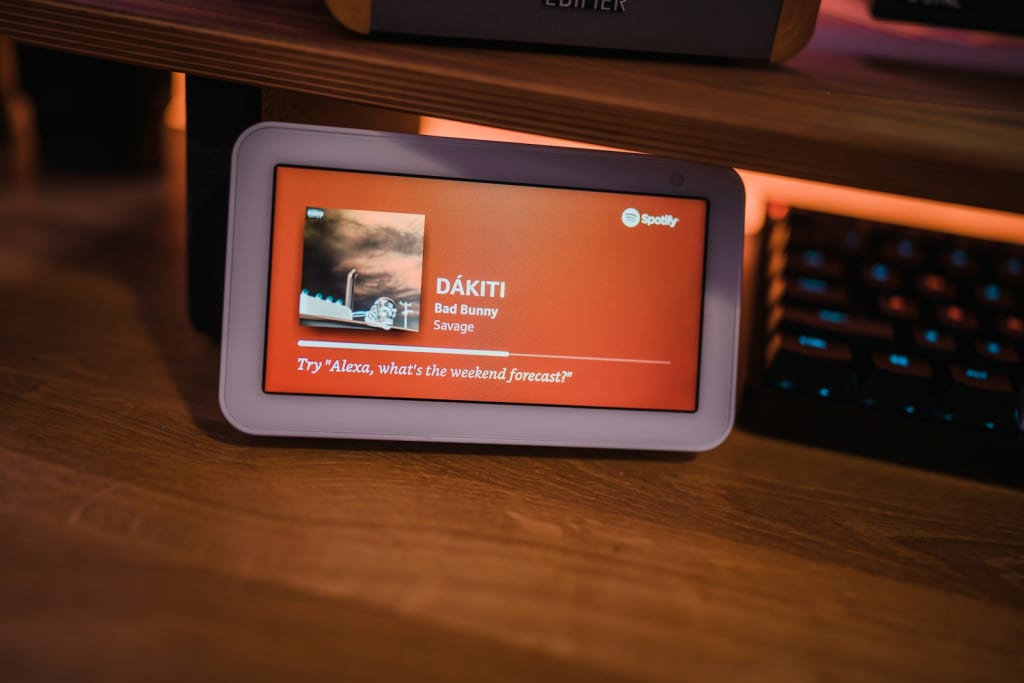
The music industry is in a constant state of flux, shaped by new technologies and evolving listener habits. Yet, even in this age of streaming and digital platforms, traditional methods of promotion still hold a unique charm. Striking the perfect balance between offline and online strategies can help musicians maximize their reach and establish meaningful connections with their audience.
The Timeless Power of Offline Music Marketing
While digital platforms dominate the spotlight, Offline Music Marketing remains an indispensable tool for artists seeking genuine fan engagement. Face-to-face interactions through local concerts, meet-and-greets, and community events create lasting impressions that virtual platforms struggle to replicate. For example, an artist performing at a local venue can directly interact with fans, share their journey, and build a loyal fan base that supports them beyond the show.
Additionally, physical promotional tools such as posters, flyers, and merchandise foster a tangible connection between artists and fans. These strategies not only help artists gain recognition locally but also pave the way for word-of-mouth marketing, one of the most powerful and cost-effective promotional methods. Offline marketing complements online efforts by adding a layer of personal interaction, making it an essential part of an artist's strategy.
Social Media Platforms: A Digital Stage for Musicians
In today’s digital-first world, no musician can afford to ignore the power of social media. Platforms such as Instagram, TikTok, and YouTube have transformed the way artists connect with fans and share their music. Identifying the right Social Media Platforms for Musicians is crucial for maximizing reach and engagement.
Instagram, for instance, allows artists to provide a glimpse into their lives through photos, short videos, and stories, fostering a sense of authenticity. Meanwhile, TikTok is ideal for creating viral music trends, thanks to its short-form content and innovative features like duet videos. YouTube, as a video-centric platform, remains an excellent medium for releasing music videos, tutorials, and behind-the-scenes content.
Consistency is key when using social media. Musicians should create a content calendar to ensure they regularly post updates, engage with fans, and participate in trending challenges or conversations. When done effectively, social media can amplify an artist’s presence and even lead to career-defining opportunities, such as collaborations or record deals.
Blogging: A Hidden Gem for Musicians
Blogging may seem like a relic of the past, but it is a powerful tool for musicians looking to build their brand and establish a deeper connection with fans. Writing about their creative process, upcoming projects, or personal experiences can humanize artists and set them apart in a crowded market.
Blogging for Musicians also boosts an artist’s online visibility. Search engines favor fresh, relevant content, and blogs provide an opportunity to rank for specific keywords related to the musician's genre or niche. For example, a jazz musician writing about the evolution of jazz music can attract not only fans but also industry professionals who resonate with their perspective.
Moreover, blogs can serve as a hub for announcements, tour dates, and new releases, directing fans to a single platform for all updates. Sharing blog posts on social media further increases their reach, creating a synergy between platforms that drives engagement and traffic.
Why New Musicians Should Start with a Single
For emerging artists, the idea of releasing an entire album may be overwhelming and financially draining. This is where launching a single becomes a strategic move. Understanding Why New Musicians Should Put Out a Single First can make the difference between a successful debut and an unnoticed release.
A single acts as a teaser, allowing musicians to test the waters and gauge audience reactions. It also focuses promotional efforts on a single track, increasing the chances of it gaining traction on platforms like Spotify and YouTube. For example, artists can create themed social media campaigns or challenges around their single, generating buzz without the pressure of promoting multiple tracks.
Additionally, singles are cost-effective. Recording, mixing, and mastering one song requires fewer resources compared to a full album. This approach enables new artists to channel their budget into high-quality production and marketing, ensuring their music stands out in a competitive industry.
Simplifying Music Sales with Digital Distribution
Gone are the days when selling music required physical albums and CDs. Digital distribution platforms have revolutionized how artists share their work with the world. Today, Music Distribution Has Made It Easy to Sell Music, offering artists access to global audiences with just a few clicks.
Platforms like Spotify, Apple Music, and Bandcamp allow musicians to distribute their tracks across various services, reaching listeners in every corner of the globe. These platforms also provide valuable analytics, enabling artists to track their performance and make data-driven decisions.
For example, an artist can monitor which tracks are performing well, identify regions where their music is popular, and tailor future releases to cater to these trends. Digital distribution also opens doors for independent musicians who may lack the resources for traditional distribution channels, leveling the playing field and democratizing the music industry.
Combining Strategies for Maximum Impact
To thrive in today’s music industry, artists must adopt a multi-faceted approach that blends traditional and modern methods. Offline marketing builds a strong local fan base, while social media and blogging extend an artist's reach to global audiences. Strategic singles and digital distribution ensure that musicians remain relevant and accessible, creating a sustainable path to success.
Conclusion
The modern music landscape offers endless opportunities for musicians willing to embrace both tradition and technology. Offline marketing, social media platforms, blogging, and digital distribution each play a crucial role in an artist's success. Whether you’re a new artist launching your first single or an experienced musician expanding your reach, these strategies provide a roadmap for growth and longevity in the industry.
What’s your approach to music promotion? Share your thoughts and experiences in the comments below. Let’s continue the conversation and inspire each other to create, connect, and succeed!
About the Creator
Enjoyed the story? Support the Creator.
Subscribe for free to receive all their stories in your feed.
Comments
There are no comments for this story
Be the first to respond and start the conversation.