
Breaking Records and Trends: The Evolution of Modern Music
music
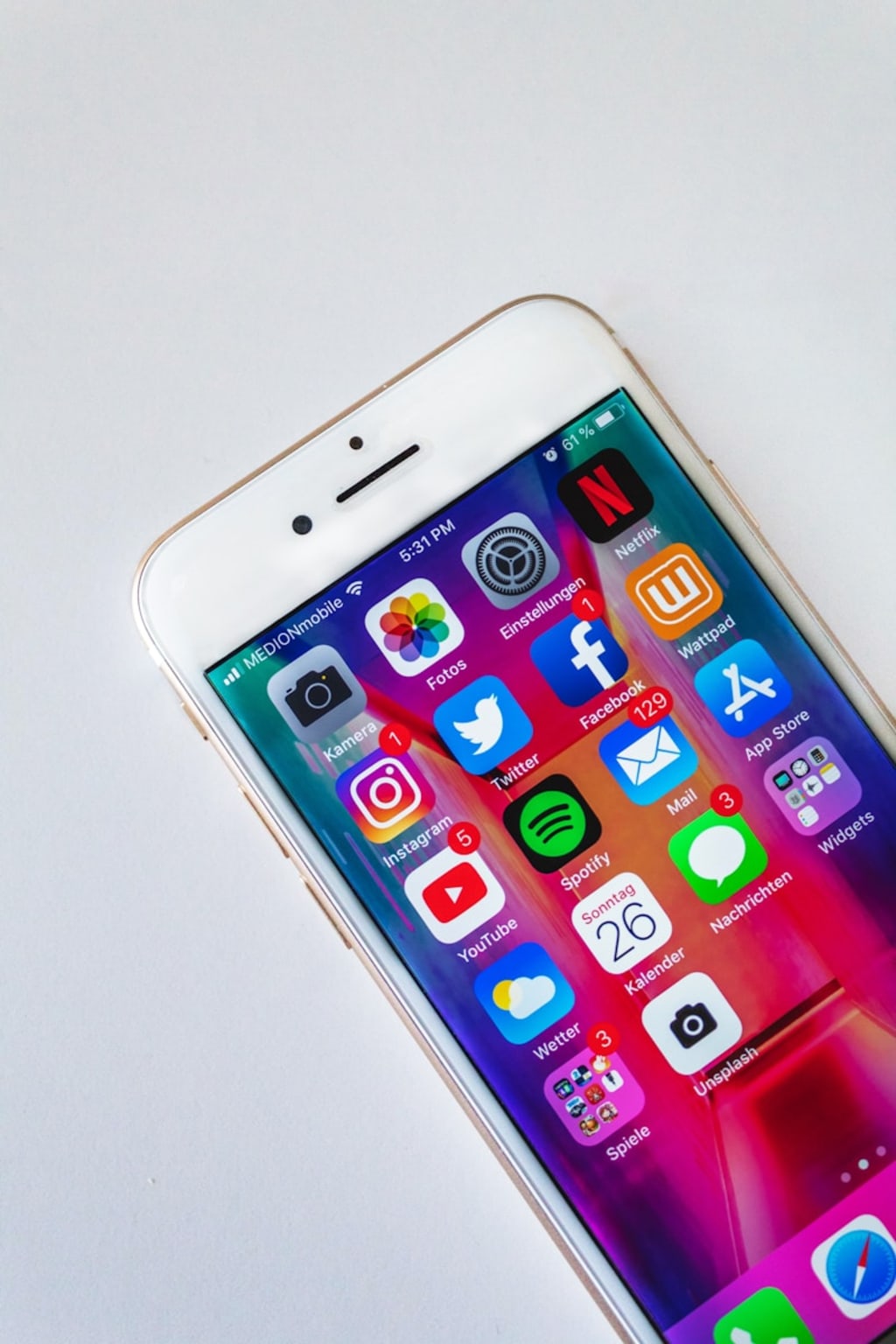
Music has always been an integral part of human culture, serving as a reflection of society and a tool for innovation. Over the years, the music industry has experienced transformative changes, with artists and albums setting new records while trends in technology redefine how we experience and engage with music. From groundbreaking albums to the rise of streaming platforms and artificial intelligence, the journey of modern music is one of constant evolution. This article explores some of the pivotal aspects that continue to shape the music world today.
The Evolution of Music Streaming
In the digital age, music streaming services have become the dominant mode of music consumption. Platforms like Spotify and Amazon Music have revolutionized how we access and curate our playlists. However, as listeners explore these platforms, some find the need to switch services to suit their preferences. For instance, moving from Spotify to Amazon Music is a common trend among users looking to explore Amazon Music’s unique features, such as higher-resolution audio and seamless integration with Alexa-enabled devices.
The ability to transfer playlists and maintain a seamless listening experience across platforms has become crucial. Tools that allow users to transition without losing their carefully curated collections have empowered listeners, ensuring that they can enjoy their favorite tunes regardless of the service. This adaptability reflects a growing demand for flexibility and convenience in the music streaming industry.
The Legacy of Iconic Albums
One of the most fascinating aspects of music history is the ability of certain albums to transcend time and set unmatched records. Michael Jackson’s Thriller remains the most selling album of all time, with over 70 million copies sold globally. Released in 1982, this album not only showcased Jackson’s unparalleled artistry but also introduced innovative music videos that became cultural landmarks. Tracks like “Billie Jean” and “Beat It” broke barriers, appealing to audiences across genres and demographics.
The success of Thriller was a combination of Jackson’s creativity, Quincy Jones’ masterful production, and the strategic use of music videos, which were relatively novel at the time. Even decades later, it serves as a benchmark for artists aspiring to make a global impact. Albums like these not only dominate sales charts but also influence musical styles, storytelling techniques, and the marketing strategies of future generations of artists.
AI in Music Creation
As technology advances, artificial intelligence is playing an increasingly significant role in music production. The emergence of tools like the AI sound generator has revolutionized how music is created. These AI-powered tools analyze vast datasets of existing music to create entirely new compositions, offering endless possibilities for soundscapes and genres.
For independent musicians and producers, AI sound generators provide a cost-effective way to experiment with new sounds and ideas. They can generate background scores, harmonies, or even entire songs in a fraction of the time it would take using traditional methods. While some critics argue that AI might diminish the human touch in music, proponents believe it enhances creativity by serving as a collaborative tool rather than a replacement.
The integration of AI into music has also opened up new avenues for personalization. Streaming platforms use AI algorithms to recommend songs and playlists based on listening habits, making the music experience more tailored than ever. This symbiotic relationship between AI and music production continues to push the boundaries of what is possible, blending human creativity with technological precision.
The Impact of Iconic Record Labels
The history of music is incomplete without acknowledging the influence of record labels that have shaped entire genres and eras. One such label is Death Row Records, which emerged as a cultural force in the 1990s. Housing legendary Death Row artists like Tupac Shakur, Dr. Dre, and Snoop Dogg, the label redefined hip-hop and brought West Coast rap to the forefront of the music scene.
Death Row’s artists were known for their raw, authentic storytelling, addressing themes of social injustice, struggle, and resilience. Albums such as Dr. Dre’s The Chronic and Tupac’s All Eyez on Me not only achieved commercial success but also left an indelible mark on the music industry. Despite the controversies surrounding the label, its contributions to music remain undeniable.
Today, the influence of Death Row Records can be seen in the way artists approach storytelling and branding. The label’s success demonstrated the power of authenticity and the importance of creating a strong narrative that resonates with audiences.
Who Owns Beats? The Rise of Premium Audio
As music consumption shifted from physical formats to digital streaming, the demand for high-quality audio equipment grew. One brand that capitalized on this trend is Beats by Dre, known for its stylish designs and superior sound quality. But have you ever wondered who owns Beats? In 2014, Apple acquired Beats for $3 billion, marking a significant move in the tech giant’s expansion into the music industry.
The acquisition allowed Apple to integrate Beats into its ecosystem, influencing products like AirPods and Apple Music. Beats became synonymous with premium sound and modern aesthetics, appealing to both audiophiles and casual listeners. This move also highlighted the increasing convergence of technology and music, as companies recognize the potential of enhancing user experiences through superior audio devices.
Today, Beats continues to dominate the market, offering a range of products that cater to various needs, from noise-canceling headphones to portable speakers. Its journey from an independent brand to a global powerhouse exemplifies the dynamic nature of the music industry and its ability to adapt to changing consumer demands.
Conclusion
The music industry is a testament to the power of innovation and creativity. From the unparalleled success of albums like Thriller to the technological advancements brought by AI and streaming platforms, the evolution of music reflects broader societal changes. The legacies of iconic labels like Death Row Records and brands like Beats remind us of the enduring impact of authenticity and excellence.
About the Creator
Enjoyed the story? Support the Creator.
Subscribe for free to receive all their stories in your feed.
Comments
There are no comments for this story
Be the first to respond and start the conversation.