
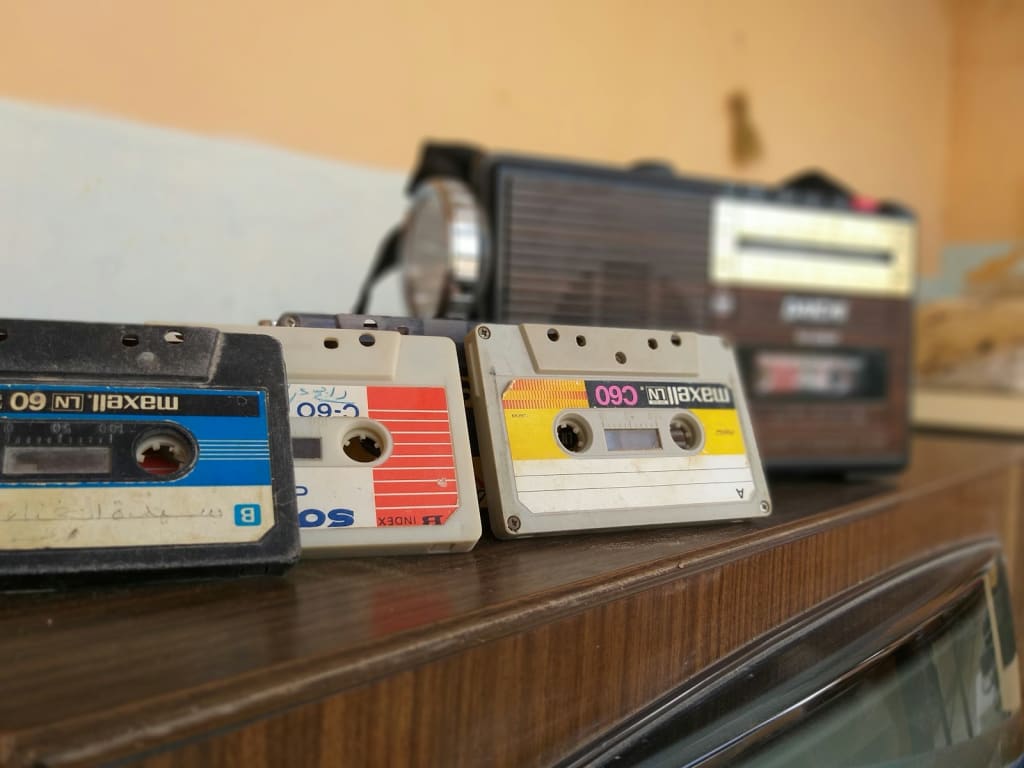
The way people consume music has undergone a revolution over the past two decades. Gone are the days of cassette tapes, CDs, and painstakingly organized MP3 libraries. The rise of streaming platforms like Spotify, YouTube, and others has made access to music more seamless, global, and affordable than ever before. Today, listeners can tune into all radio stations, discover trending artists, and even identify tracks through innovative tools—all with a few taps. But where is this industry heading, and what does it mean for listeners and artists alike? From evolving technology to payment structures and user accessibility, the future of music listening holds immense promise.
Streaming platforms have become the centerpiece of global music consumption. For listeners, the variety is endless. For artists, however, challenges remain—particularly around fair compensation. This article explores the next steps in the music industry’s evolution, the opportunities streaming platforms offer, and how technology continues to reshape the way we enjoy sound.
Accessing Music: The Role of Radio Stations in a Digital World
While streaming platforms like Spotify dominate the music landscape, radio still plays an essential role in global music discovery. Online access to all radio stations has redefined the way listeners interact with live broadcasts. No longer restricted to local programming, people can tune into radio stations from across the globe, catching regional hits, live interviews, and breaking music news.
This global accessibility has helped emerging artists gain exposure. Local musicians who once struggled to reach broader audiences can now be heard worldwide through online radio services. Moreover, radio continues to support genres and audiences that are often overlooked by streaming algorithms, ensuring that listeners receive a diverse musical experience.
The future of radio lies in its ability to integrate with modern streaming platforms. Services that merge live broadcasts with on-demand content could offer listeners the best of both worlds, combining nostalgia for live radio with the convenience of streaming.
Identifying Music Effortlessly: Tools Like YouTube Song Identifier
How often have you heard a song playing in a café, store, or video and thought, “What’s the name of that track?” This is where tools like the song identifier YouTube come into play. Platforms now use advanced audio recognition technology to help users identify songs quickly and accurately.
These tools have revolutionized music discovery. Instead of relying on lyrics or trying to remember snippets of a melody, listeners can now use their smartphones or computers to pinpoint songs in seconds. Whether the track is playing in a YouTube video, on the radio, or in a movie scene, song identifier tools bridge the gap between curiosity and discovery.
Moving forward, the integration of song identification technology with music streaming platforms will enhance user experience even further. For example, Spotify and other services could expand real-time identification features, creating a seamless connection between discovery and playback. This ensures that listeners can find, save, and enjoy their favorite songs without interruptions.
Streaming Dominance: Spotify’s Continued Innovation
Spotify remains a leading platform in music streaming, consistently setting trends in the industry. With millions of songs, curated playlists, and personalized recommendations, Spotify has made itself indispensable to listeners worldwide. In 2022, the platform revealed the number 1 artist on Spotify 2022, further solidifying its influence on the global music stage.
Artists like Bad Bunny, Taylor Swift, and Drake have leveraged Spotify to reach billions of streams. However, the competition for recognition is fierce, with thousands of songs uploaded daily. For listeners, this vast music library is both a blessing and a challenge, as finding new favorites among millions of tracks requires effective algorithms and curated experiences.
Spotify’s “Discover Weekly” and “Release Radar” features use AI-driven technology to suggest personalized content. Moving forward, platforms like Spotify will likely continue refining these tools to provide an even more tailored music experience. Innovations like spatial audio, immersive playlists, and live artist sessions could also shape the future of music streaming.
Another key factor contributing to Spotify’s growth is its flexible Spotify pricing plans. By offering free, premium, family, and student plans, the platform ensures accessibility for all audiences.
How Does Spotify Pay Artists: Addressing Fair Compensation
The question of how does Spotify pay artists has sparked ongoing discussions in the music industry. Spotify operates on a stream-based payout model, where artists earn a small amount per stream. This model distributes a percentage of the platform’s revenue to artists based on their song’s streaming performance relative to other content.
While this system works well for top-tier artists with millions of listeners, it presents challenges for independent musicians and smaller creators. Critics argue that the per-stream payout is insufficient to sustain artists, leading to debates about fair compensation in a streaming-dominated industry.
To address these concerns, platforms could explore alternative payment models, such as direct artist subscriptions, tipping systems, or blockchain-based royalty tracking. These innovations could help ensure that artists are paid more fairly for their work, allowing them to continue creating music without financial barriers.
The Future of Music Listening: Emerging Trends
Looking ahead, the future of music listening will be shaped by a combination of technological innovation and user demands. Here are some key trends that will define the next phase of the industry:
Artificial Intelligence: AI will play a larger role in creating personalized playlists and identifying listener preferences. Tools like AI-generated playlists will ensure that users always discover new music suited to their tastes.
Conclusion
The future of music listening is dynamic and filled with opportunities for listeners, artists, and platforms. With tools that make music discovery simple, access to all radio stations, and innovations like the song identifier YouTube, the boundaries of how we engage with sound continue to expand. Platforms like Spotify are paving the way, offering features that personalize user experiences while highlighting top talent, such as the number 1 artist on Spotify 2022.
What excites you most about the future of music listening? Share your thoughts in the comments below!
About the Creator
Enjoyed the story? Support the Creator.
Subscribe for free to receive all their stories in your feed.
Comments
There are no comments for this story
Be the first to respond and start the conversation.