
Breaking Down the Best New Music Instruments in 2024: What You Need to Try
music
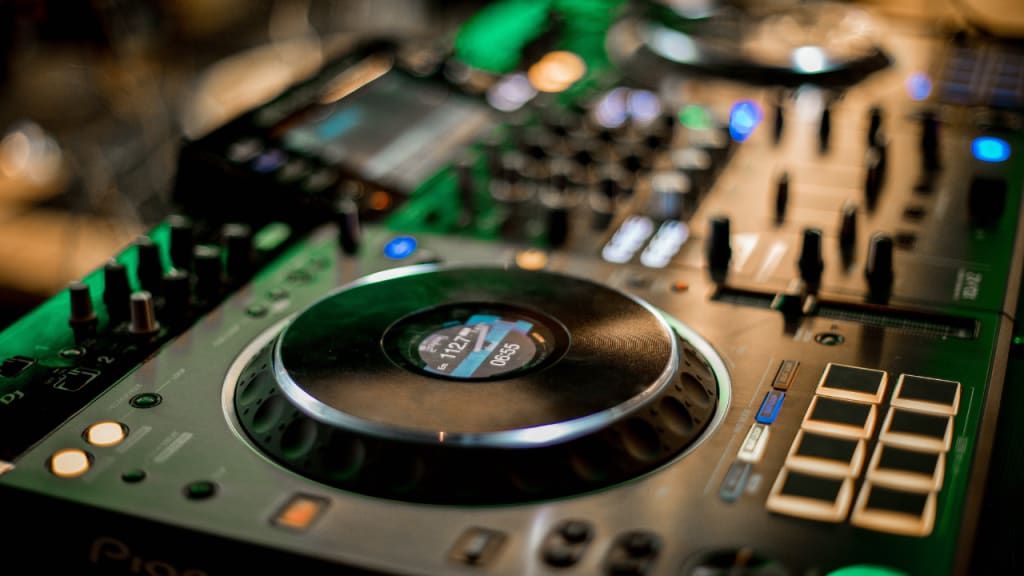
As the world of music production and performance continues to evolve, so do the tools that musicians rely on. The past decade has seen groundbreaking innovations in music technology, from advanced digital audio workstations (DAWs) to revolutionary new music instruments. Whether you're a beginner musician or a seasoned professional, discovering the new music instruments that are making waves can spark creativity and enhance your sound. In 2024, several exciting new instruments are ready to redefine how we approach music. Let's explore these innovations, and see how they can take your music production to the next level.
1. The Rise of Digital and Hybrid Instruments
In recent years, we’ve seen the convergence of traditional acoustic instruments and digital technology. New music instruments on the market are blurring the lines between physical and virtual tools, offering musicians unprecedented control and flexibility. One of the most significant innovations has been the development of hybrid instruments—those that combine acoustic sounds with digital effects.
Take, for instance, the Roli Seaboard: a touch-sensitive keyboard that allows musicians to manipulate sound with far more expression than a traditional piano. The Seaboard’s innovative, soft-touch surface lets musicians bend and shape notes with a level of control not achievable with a standard keyboard. This fusion of digital and acoustic sound makes it a game-changer for producers and performers alike.
Another exciting development in hybrid instruments is the rise of loop stations that incorporate both physical instruments and computer-based effects. These devices let musicians record and layer sounds in real-time, creating a full live performance experience. The BOSS RC-505 MKII Loop Station, for example, is gaining popularity with live performers and producers who want to create dynamic soundscapes on the fly.
2. Advancements in Electronic Music Production
For those who specialize in electronic music production, EDM music maker online tools have become more sophisticated than ever. In the past, electronic music production required expensive equipment, but thanks to online platforms, producers can now create high-quality tracks using only a computer and an internet connection.
Platforms like Soundation and BandLab offer powerful online DAWs that allow musicians to collaborate remotely, create beats, and produce full songs in real-time. These platforms also provide easy access to a wide range of sounds and loops, allowing EDM artists to experiment with different genres and styles. For electronic producers, this means you can produce tracks on the go, whether you're at home or traveling, without needing to invest in complex studio gear.
Additionally, virtual synthesizers like Xfer Serum and Omnisphere offer incredible flexibility in sound design. These instruments allow you to create everything from lush atmospheric pads to deep basslines, essential for any EDM production. By leveraging these tools alongside free music distribution for labels platforms, EDM artists can create high-quality music and get it heard across the globe without any significant upfront cost.
3. Sculpting Sound with New Instruments for the Future
One area where technology is truly transforming music creation is in the field of sound design. With the rise of new music instruments like the Sensel Morph, musicians can now interact with sound in a tactile and creative way. The Sensel Morph uses pressure-sensitive pads that respond to touch, allowing for dynamic control over sound and effects. This instrument can be used as a MIDI controller, a drum pad, or even as a synthesizer interface, offering artists a versatile tool for creating unique sounds.
Similarly, Moog has recently introduced the Moog One, a polyphonic analog synthesizer that combines classic analog sounds with modern digital functionality. This instrument is a dream for producers looking to create lush, rich tones with a variety of modulation options. It's especially popular for those who produce experimental and electronic music, offering a vast sonic landscape that traditional instruments just can't match.
The integration of new instruments like these into your workflow could drastically change how you approach music production, allowing for more nuanced and expressive compositions.
4. How to Avoid Copyright Claims on YouTube
If you're a content creator or musician looking to distribute your work online, you’ve likely heard of the dreaded copyright claims on YouTube. These claims can block or monetize your content, causing frustrations for artists who simply want to share their creations with the world. Fortunately, there are ways to avoid these claims.
First, using royalty-free music or free music distribution for labels platforms that provide clear licensing options can help you avoid copyright strikes. Many of these services, such as DistroKid or TuneCore, offer tools to help you ensure your music is properly licensed before distribution, and they handle the backend work of getting your music on streaming platforms like YouTube, Spotify, and Apple Music.
Second, if you are creating your own tracks, make sure to register your music with a performance rights organization (PRO) to protect your rights. Platforms like ASCAP and BMI can help you track and monetize your music, so you don't have to worry about unwanted claims.
Finally, when using online platforms to make music, always be cautious about using samples. If you’re using EDM music maker online tools, ensure that the loops and sounds you use are royalty-free or properly licensed. Many online platforms offer free-to-use sound libraries, but be sure to double-check the terms of use to avoid copyright issues later on.
5. How to See Lyrics on Spotify
Spotify has become one of the most popular platforms for discovering and listening to music. But did you know that Spotify also allows you to view lyrics while you listen? This feature is perfect for singers, music lovers, and fans who want to sing along with their favorite tracks.
To see lyrics on Spotify, simply play a song that supports the feature, and swipe up on the Now Playing screen to view the lyrics in real-time. Many tracks, especially those from major labels, include synchronized lyrics, making it easier than ever to follow along. For independent artists, this feature is also a way to engage your listeners more deeply. By ensuring your lyrics are available on Spotify, you can make your songs even more accessible to fans.
For musicians, having lyrics available on Spotify is a great way to boost your visibility. By distributing your music via free music distribution for labels platforms that support lyric integration, your songs can be more interactive, helping to create a deeper connection with your audience.
Conclusion: Embrace Innovation in Music Creation
The landscape of music production is changing rapidly in 2024, and there’s no better time to embrace new music instruments and technologies. Whether you're producing electronic beats with an EDM music maker online tool, protecting your music from copyright claims on YouTube, or sharing lyrics with fans on Spotify, the tools available today can help elevate your music to new heights. The key to success in today's music industry is adapting to change, exploring new instruments, and making the most of digital platforms. By staying ahead of the curve, you can continue to innovate, create, and share your music with the world.
About the Creator
Enjoyed the story? Support the Creator.
Subscribe for free to receive all their stories in your feed.
Comments
There are no comments for this story
Be the first to respond and start the conversation.