
Breaking Barriers: How to Distribute Your Music on Spotify and Beyond
Your Music on Spotify and Beyond
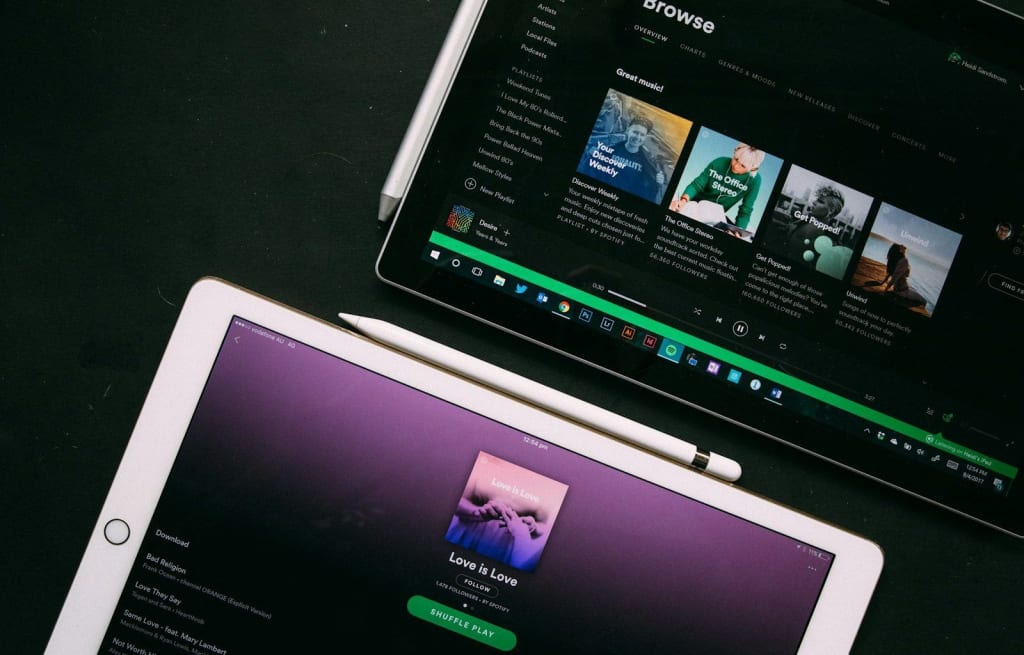
The music industry has transformed dramatically in the past decade, offering artists unprecedented access to global audiences. For aspiring musicians, the ability to distribute music online has removed significant barriers, making it easier than ever to share their creations. If you’re a musician eager to make your mark, knowing how to upload your music on Spotify on multiple platforms is crucial. This process allows you to broaden your reach, grow your fan base, and maximize your earning potential. Here’s a comprehensive look at why this strategy is vital and how to go about it effectively.
The advent of streaming platforms like Spotify, Apple Music, and Amazon Music has revolutionized how people consume music. These platforms cater to diverse tastes and preferences, enabling artists to connect with listeners worldwide. However, the journey from your studio to a global stage requires careful planning and execution. It’s not just about uploading your tracks; it’s about ensuring your music is accessible, discoverable, and optimized for success across various platforms. The following insights will guide you through this process, helping you achieve professional-level distribution and visibility for your music.
The Importance of Reaching Multiple Platforms
When an artist focuses solely on one streaming platform, they inadvertently limit their audience. While Spotify is one of the most prominent platforms with millions of active users, other platforms cater to niche audiences that may not frequent Spotify. For instance, Apple Music has a dedicated user base, while Tidal appeals to audiophiles with its superior sound quality. By uploading your music across multiple platforms, you ensure that your work reaches as many potential fans as possible.
Moreover, diversifying your distribution helps you hedge against changes in platform policies or algorithms. If one platform changes its payout structure or discoverability algorithms, having your music available elsewhere minimizes the impact on your overall reach and earnings. This strategy also increases the likelihood of your music being featured on playlists, charts, or recommendation algorithms, as different platforms have unique ways of promoting content.
Preparing Your Music for Distribution
Before you embark on the distribution process, it’s essential to ensure your music is polished and professional. This means investing in high-quality production, mixing, and mastering. Listeners on streaming platforms expect studio-grade sound, and anything less could hurt your reputation. Alongside your audio files, metadata such as track titles, artist names, album art, and genre tags must be accurate and appealing. These elements play a significant role in how your music is presented to potential listeners and how it appears in search results.
Album art, in particular, should not be overlooked. It’s often the first visual representation of your music that fans will see. A professional and eye-catching design can attract clicks and streams, making it a crucial part of your music’s presentation. Collaborate with a graphic designer if necessary to create compelling artwork that aligns with your brand.
Choosing the Right Distribution Service
To upload your music on Spotify and other platforms, you’ll need the help of a music distribution service. These services act as intermediaries, ensuring that your music is delivered to major streaming platforms seamlessly. Popular choices include DistroKid, TuneCore, and CD Baby, each with its own pricing structure and features. When selecting a distributor, consider factors like ease of use, turnaround time, and the percentage of royalties they take.
Some distributors offer additional benefits, such as analytics tools, promotional services, and assistance with playlist placement. Take advantage of these resources to gain insights into your audience and optimize your promotional efforts. It’s also worth noting that some distributors allow you to retain full rights to your music, while others may take a share. Read the terms carefully to ensure you’re comfortable with the arrangement.
Uploading Your Music and Expanding Your Presence
Once you’ve chosen a distributor, the next step is to upload your music. The process typically involves creating an account, uploading your audio files and metadata, and selecting the platforms you want to distribute to. Be thorough during this step, as any errors in your metadata can lead to complications or delays.
After your music is live on Spotify and other platforms, your work isn’t over. Promoting your music is just as important as uploading it. Use social media, email newsletters, and your personal website to spread the word about your release. Collaborate with other artists or influencers to reach new audiences and leverage playlist placements to boost your streams. Some distribution services offer playlist pitching features, so take full advantage of these tools.
Engaging with your audience is another crucial aspect of building a loyal fan base. Respond to comments, host live Q&A sessions, and share behind-the-scenes content to strengthen your connection with listeners. A dedicated fan base can amplify your music’s reach by sharing it with their own networks, creating a ripple effect that extends your visibility.
Maximizing Earnings from Your Music
Uploading your music on Spotify on multiple platforms not only increases your reach but also boosts your earning potential. Streaming revenue, while not the only income stream for artists, can add up over time, especially when your music is available on various platforms. Furthermore, having your music distributed widely increases the likelihood of sync licensing opportunities, merchandise sales, and live performance bookings.
To maximize your earnings, consider releasing music consistently and experimenting with different promotional strategies. Offering exclusive content or behind-the-scenes access to fans through platforms like Patreon can provide additional revenue streams while strengthening fan loyalty. Monitoring your analytics regularly will help you identify which platforms and strategies are performing best, allowing you to refine your approach over time.
ConclusiOn
The journey to building a successful music career involves strategic planning, consistent effort, and the ability to adapt to changing trends. By taking the time to upload your music on Spotify and multiple platforms, you’re positioning yourself for long-term success. This approach not only increases your visibility but also opens doors to new opportunities and revenue streams.
Remember that music distribution is just one part of the equation. Continuous engagement with your audience, high-quality content, and innovative marketing efforts are equally important. As you navigate this exciting journey, stay true to your artistic vision while leveraging the tools and platforms available to modern musicians.
Related Articles:
For further reading, explore these related articles:
- Upload your music on Spotify with no upfront fees
- Upload your music on Spotify quickly
- Upload your music on Spotify with 100% royalties
- Upload your music on Spotify without paying fees
For additional resources on music marketing and distribution, visit Deliver My Tune.
About the Creator
Enjoyed the story? Support the Creator.
Subscribe for free to receive all their stories in your feed.
Comments
There are no comments for this story
Be the first to respond and start the conversation.