
Brake Replacement in Mississauga, ON: Everything You Need to Know
Keeping your vehicle in top condition is crucial for safety and performance. One of the most important components of your car is its braking system. Whether you're navigating the busy streets of Mississauga, ON, or heading out on the highway, functioning brakes are essential. In this blog, we'll explore everything you need to know about brake replacement to keep your car running smoothly.
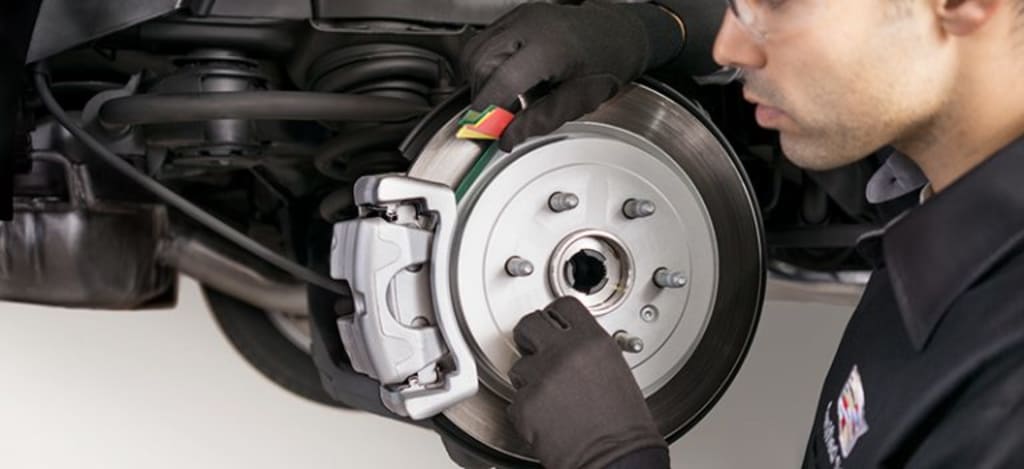
Keeping your vehicle in top condition is crucial for safety and performance. One of the most important components of your car is its braking system. Whether you're navigating the busy streets of Mississauga, ON, or heading out on the highway, functioning brakes are essential. In this blog, we'll explore everything you need to know about brake replacement to keep your car running smoothly.
Why Is Brake Replacement Important?
Brakes are a key safety feature of your car. They help you stop quickly, avoid accidents, and maintain control in emergency situations. Over time, brake components wear down due to friction and heat generated during use. If not replaced on time, worn-out brakes can lead to:
- Reduced stopping power
- Damage to other parts of the braking system
- Increased risk of accidents
Regular maintenance and timely replacement ensure your brakes function optimally and provide peace of mind on the road.
Signs That You Need a Brake Replacement
Recognizing brake replacement Mississauga ON when your brakes need attention can save you from costly repairs and dangerous situations. Here are some common signs that indicate it's time for a brake replacement:
Squealing or Grinding Noises
Unusual noises while braking can signal worn brake pads or metal-on-metal contact.
Vibration or Pulsation
A shaking steering wheel or vibrating brake pedal might point to warped rotors.
Reduced Responsiveness
If your brakes feel spongy or less effective, it could mean air in the brake lines or worn-out components.
Dashboard Warning Light
Most modern vehicles have a warning light that alerts you when there's an issue with your brakes.
Visible Wear on Brake Pads
Inspecting your brake pads can also help. If they're less than 3mm thick, it's time for a replacement.
Components Involved in a Brake Replacement
A full brake replacement involves more than just swapping out pads. Understanding the components helps you make informed decisions about maintenance:
Brake Pads
These are the most commonly replaced parts as they endure the most wear and tear.
Rotors or Discs
These can become warped or damaged over time and may need resurfacing or replacement.
Calipers
These hold the brake pads and apply pressure to stop the vehicle. Faulty calipers may require replacement.
Brake Fluid
Replacing old or contaminated fluid is often part of brake maintenance to ensure a responsive system.
How Often Should You Replace Your Brakes?
The lifespan of brake components depends on various factors:
Driving Habits: Aggressive braking can wear down pads faster.
Road Conditions: Stop-and-go traffic or hilly terrain can shorten brake life.
Type of Brake Pads: Ceramic pads tend to last longer than organic or semi-metallic ones.
Generally, brake pads need replacing every 30,000 to 70,000 km, while rotors may last longer but should be inspected regularly.
The Process of Replacing Brakes
Brake replacement involves several steps to ensure a thorough job:
Inspection: Mechanics check the condition of the pads, rotors, and calipers.
Removal of Worn Parts: Old brake pads and damaged rotors are removed.
Installation: New pads, rotors, or other required components are installed.
Brake Fluid Check: Fluid is inspected and replaced if needed.
Testing: The brakes are tested to ensure proper functionality.
DIY vs. Professional Brake Replacement
While some car enthusiasts opt for a DIY approach, brake replacement can be complex. Consider these factors before deciding:
Tools and Equipment: Proper tools like a jack, wrenches, and a torque wrench are essential.
Experience: Mistakes during installation can compromise safety.
Time: A professional can complete the job more quickly and efficiently.
For most drivers, seeking professional help is the safest and most reliable option.
Preventing Premature Brake Wear
Preventive care can help extend the life of your brakes and save you money:
Smooth Driving
Avoid sudden stops and accelerate gradually to reduce wear.
Regular Maintenance
Schedule regular inspections to catch potential issues early.
Avoid Overloading
Carrying heavy loads increases strain on your braking system.
Use Quality Parts
Invest in high-quality brake components for better durability and performance.
Environmental Factors in Mississauga, ON
Driving conditions in Mississauga can impact brake wear. Heavy traffic, frequent stops, and seasonal weather changes all play a role. In winter, road salt and icy conditions may accelerate corrosion, making regular inspections even more crucial.
Final Thoughts
Maintaining your brakes is a vital part of vehicle safety and performance. Recognizing the signs of wear, understanding the components, and knowing when to replace them can keep you safe on the roads of Mississauga, ON. With proper care and attention, your braking system will perform effectively, ensuring a smooth and secure driving experience.
By staying proactive about brake replacement, you can avoid costly repairs and ensure peace of mind every time you hit the road.
About the Creator
Enjoyed the story? Support the Creator.
Subscribe for free to receive all their stories in your feed.
Comments
There are no comments for this story
Be the first to respond and start the conversation.