
Blood Clot in Leg: What You Need to Know About Causes, Symptoms, and Treatment
Discover everything you need to know about a blood clot in the leg, including causes, symptoms, diagnosis, treatments, and prevention tips. Learn how Vein & Vascular Medicine Clinic can help you manage deep vein thrombosis effectively and protect your vascular health.
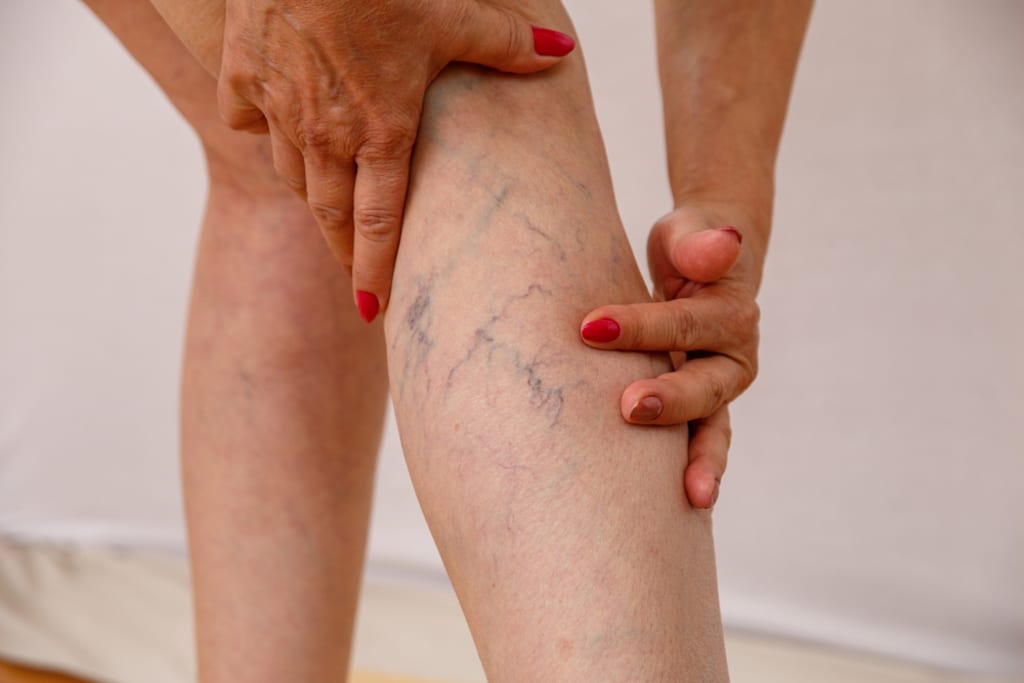
A blood clot in the leg, also known as deep vein thrombosis (DVT), is more common than many realise—and it can lead to severe health complications if not detected and treated in time. A clot forms in a deep vein, usually in the calf or thigh, and may cause swelling, pain, and restricted blood flow. In more serious cases, the clot can travel to the lungs and cause a pulmonary embolism, which can be life-threatening.
This article explains the key causes of blood clots in the leg, the symptoms to watch for, diagnostic methods, available treatments, and how to prevent recurrence. If you or a loved one is at risk, understanding the condition is your first line of defence.
What Is a Blood Clot in the Leg?
A blood clot is a clump of blood that has turned into a gel-like or semi-solid state. While clotting is essential in stopping external bleeding, an internal clot that forms within a deep vein (without injury) can obstruct normal circulation. This is known as deep vein thrombosis (DVT).
Most cases of DVT occur in the lower leg or thigh. If left untreated, part of the clot can break off and travel to the lungs, causing a potentially deadly condition called a pulmonary embolism.
What Causes a Blood Clot in the Leg?
Several factors can contribute to the development of a blood clot in the leg, including:
1. Long Periods of Inactivity
Sitting for extended periods during travel or recovery can slow blood flow in the legs and encourage clotting.
2. Surgery or Injury
Operations—especially those involving the hip, leg, or abdomen—or injuries to the lower limbs can trigger clot formation.
3. Medical Conditions
Health issues such as cancer, autoimmune disorders, and heart disease can increase clotting risk.
Several factors can contribute to the development of a blood clot in the leg, including:
1. Long Periods of Inactivity
Sitting for extended periods during travel or recovery can slow blood flow in the legs and encourage clotting.
2. Surgery or Injury
Operations especially those involving the hip, leg, or abdomen—or injuries to the lower limbs can trigger clot formation.
3. Medical Conditions
Health issues such as cancer, autoimmune disorders, and heart disease can increase clotting risk.
4. Pregnancy
Hormonal changes and increased pressure on leg veins during pregnancy elevate the chance of developing DVT.
5. Genetic Disorders
Some people inherit clotting disorders that make them more prone to forming clots.
6. Unhealthy Habits
Smoking, poor hydration, lack of movement, and obesity are known to contribute to clotting issues.
Hormonal changes and increased pressure on leg veins during pregnancy elevate the chance of developing DVT.
5. Genetic Disorders
Some people inherit clotting disorders that make them more prone to forming clots.
6. Unhealthy Habits
Smoking, poor hydration, lack of movement, and obesity are known to contribute to clotting issues.
Signs and Symptoms to Look Out For
Early recognition of DVT can prevent complications. Common symptoms of a blood clot in the leg include:
- Swelling, usually in one leg
- Pain or tenderness, especially in the calf or thigh
- A feeling of warmth in the affected area
- Red or discoloured skin
- Heaviness or tightness in the leg
In more serious cases, if the clot has travelled to the lungs, symptoms may include:
- Sudden shortness of breath
- Chest pain that worsens with deep breaths
- Rapid heartbeat
- Coughing, sometimes with blood
- These require emergency medical attention.
Who Is Most at Risk?
Understanding who is most likely to experience DVT helps with early prevention. Risk factors include:
- Age over 60
- A family history of blood clots
- Hormonal therapy or birth control use
- A sedentary lifestyle or prolonged immobility
- Recent surgery or trauma
- Obesity and smoking
- Active cancer or chemotherapy treatment
Knowing your risk level allows for appropriate monitoring and lifestyle changes.
How Is a Blood Clot in the Leg Diagnosed?
Doctors use several methods to confirm the presence of a blood clot:
- Doppler Ultrasound: This test uses sound waves to examine the veins and detect restricted blood flow caused by a clot.
- D-dimer Blood Test: Elevated levels of D-dimer (a substance released when a clot dissolves) may indicate the presence of a clot.
- Venography: A special dye is injected into the veins, and an X-ray is taken to highlight blockages. This test is now less common.
- CT or MRI: These imaging tests may be used to detect clots in less accessible areas such as the pelvis or abdomen.
Treatment Options for Blood Clots in the Leg
The goal of treatment is to stop the clot from growing, prevent further clots, and reduce the risk of complications. Treatment options include:
1. Anticoagulants
Commonly known as blood thinners, these medications prevent further clotting and give the body time to break down existing clots.
2. Thrombolytics
In severe cases, clot-dissolving medications may be given in a hospital setting to quickly break up the clot.
3. Compression Stockings
These special garments apply pressure to the leg to improve blood flow and reduce swelling and discomfort.
4. Inferior Vena Cava (IVC) Filter
For patients who cannot take blood thinners, a filter can be placed in the main abdominal vein to prevent clots from reaching the lungs.
5. Lifestyle Changes
Staying active, quitting smoking, drinking enough water, and maintaining a healthy weight are essential to prevent recurrence.
What Happens If You Don’t Treat It?
Without treatment, a blood clot in the leg can lead to:
Pulmonary Embolism (PE)
A dangerous condition where the clot travels to the lungs, causing breathing issues and possibly death.
Post-Thrombotic Syndrome (PTS)
Long-term pain, swelling, and skin damage can develop due to permanent vein damage caused by DVT.
Recurrent DVT
Once you’ve had a clot, the chance of future clots increases unless proper treatment and prevention steps are followed.
How to Prevent Blood Clots in the Leg
While not all clots can be prevented, many can be avoided with simple lifestyle and medical precautions:
- Walk and stretch during long flights or car rides
- Wear compression stockings if advised
- Stay hydrated throughout the day
- Avoid sitting or lying down for too long
- Follow post-surgical recovery plans closely
- Manage chronic health conditions effectively
These steps are especially important if you have a history of clotting or other risk factors.
When to Seek Medical Help
You should contact a healthcare provider immediately if you experience:
- Unexplained leg swelling or pain
- Red or warm patches of skin
- Difficulty breathing or chest discomfort
Quick diagnosis and intervention can prevent complications and save lives.
In Conclusion: Your Vascular Health Matters
A blood clot in the leg is a medical condition that requires swift attention and consistent care. Recognising early signs, understanding your risk, and committing to preventative strategies are key to maintaining vascular health and avoiding dangerous complications.
If you’re concerned about leg pain, swelling, or are at increased risk, the team at Vein & Vascular Medicine Clinic is here to help. We provide comprehensive vascular assessments, modern diagnostic tools, and tailored treatment plans to support long-term wellbeing.
Book your consultation with Vein & Vascular Medicine Clinic today because your health deserves expert care and timely solutions.
About the Creator
Vein & Vascular Medicine Clinic
At Vein & Vascular Medicine Clinic in East Brunswick, NJ, we specialize in advanced treatments for varicose veins, chronic venous insufficiency, and peripheral artery disease.
Enjoyed the story? Support the Creator.
Subscribe for free to receive all their stories in your feed.
Comments
There are no comments for this story
Be the first to respond and start the conversation.