
Beyond the Beat: Understanding Ram Sampath's Creative Process
Understanding Ram Sampath's Creative Process
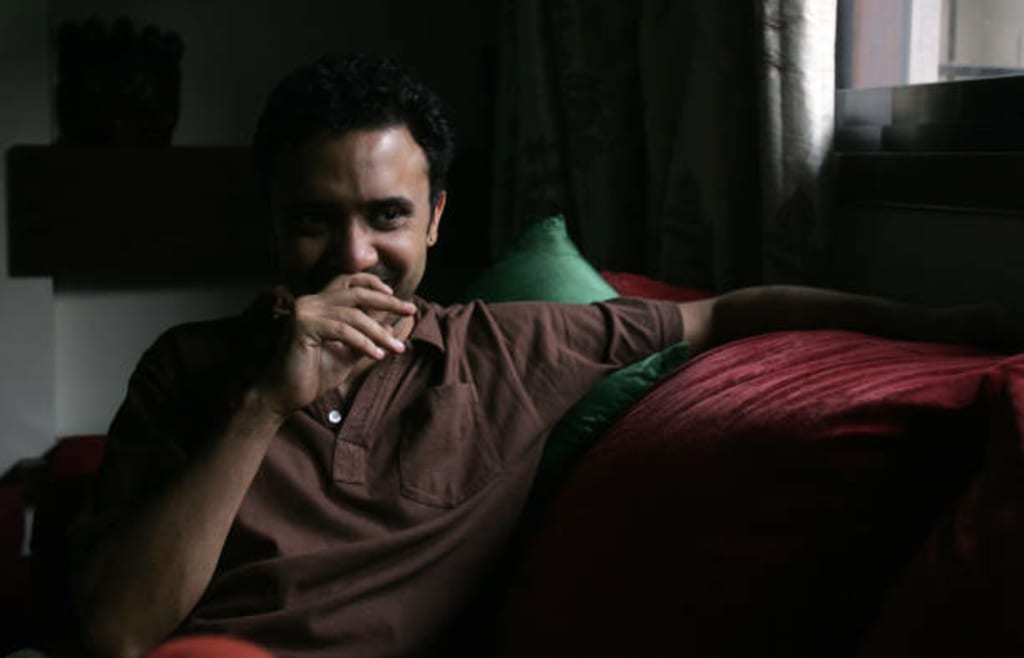
Ram Sampath is a name synonymous with innovation and versatility in the Indian music industry. Over the years, he has seamlessly transitioned from composing advertising jingles to creating Bollywood blockbusters, leaving a lasting impression on listeners. His journey, deeply rooted in cultural heritage yet contemporary in its execution, showcases an artist who has continuously evolved with the changing times. This article delves into the life and career of Ram Sampath, exploring how his unique approach to music has made him a trailblazer in the industry.
Early Life: A Foundation in Music
Ram Sampath was born on July 25, 1977, in Mumbai, India. Growing up in a family that appreciated music, Sampath was exposed to a diverse range of sounds from an early age. His grandfather, T.V. Ramanujam, was one of the founders of Shanmukhananda Hall, a cultural hub in Mumbai that hosted numerous legendary artists. This exposure instilled in Sampath an appreciation for Indian classical music and a deep respect for artistic traditions.
To hone his skills, Sampath trained in Carnatic music for eight years. This rigorous training laid the groundwork for his understanding of melody, rhythm, and structure, elements that would later define his work. However, his musical interests were not confined to classical genres. He was equally fascinated by Western music, which expanded his creative horizons and equipped him to blend various styles effortlessly.
The Advertising World: A Launchpad for Creativity
Sampath's entry into the professional music scene began with composing jingles for advertisements. His work in this field was nothing short of groundbreaking. Brands like Airtel, Pepsi, Docomo, and The Times of India entrusted him to create catchy and impactful soundtracks. One of his most iconic jingles, "Har ek friend zaroori hota hai" for Airtel, became a cultural phenomenon, demonstrating his ability to craft memorable and relatable tunes.
This phase of his career was instrumental in shaping his understanding of audience preferences. Advertising jingles demand immediacy - catchiness in a matter of seconds - which helped Sampath develop a knack for creating music that resonates instantly. These experiences laid a solid foundation for his future success in Bollywood.
Bollywood Breakthrough: Redefining Soundtracks
Sampath's Bollywood debut came with the film Khakee (2004), but his career-defining moment arrived with Delhi Belly in 2011. The movie's unconventional soundtrack, particularly the chart-topping hit "Bhaag D.K. Bose," turned heads for its audacity and creativity. Sampath pushed the boundaries of what Bollywood music could be, introducing a rock-infused, edgy sound that resonated with younger audiences.
Following the success of Delhi Belly, Sampath continued to experiment with genres and storytelling through music. His compositions for Talaash (2012) and Raees (2017) displayed his versatility, blending haunting melodies with pulsating beats. Each project demonstrated his ability to align his music with a film's narrative, creating soundscapes that enriched the storytelling.
Fusion and Collaboration: Pioneering a New Genre
Sampath's love for music transcends boundaries, a fact evident in his collaborations. His track "Kattey," featuring Bhanvari Devi and Hard Kaur, is a brilliant example of fusing Indian folk with hip-hop. This ability to bring together diverse styles while maintaining authenticity has made him a standout figure in the fusion genre.
Collaborating with his wife, singer Sona Mohapatra, has also been a highlight of his career. Together, they run OmGrown Music, a production house that champions creative freedom and supports independent music projects. Their collaborations, such as "Ambarsariya" and "Jiya Laage Na," highlight Sampath's skill in complementing Mohapatra's powerful vocals with intricate compositions.
The Legacy of Innovation
What sets Ram Sampath apart is his refusal to conform to industry norms. He has consistently prioritized innovation over formulaic success, a choice that has not only set him apart but also inspired countless aspiring musicians. Whether it's composing for a niche indie project or a big-budget Bollywood film, Sampath approaches each endeavor with the same level of passion and creativity.
Conclusion
Ram Sampath journey from a budding musician in Mumbai to a celebrated composer in Bollywood is a testament to his talent and vision. His ability to blend traditional Indian music with global genres has introduced listeners to fresh, innovative sounds while preserving the essence of India's rich musical heritage. Sampath's career is a shining example of how dedication to one's craft, combined with a willingness to take risks, can lead to extraordinary success.
Music has the power to move and inspire, and Ram Sampath's compositions are no exception. From "Bhaag D.K. Bose" to "Kattey," his tracks have redefined music in their own unique ways. Which of Ram Sampath's works has left an impact on you? Share your thoughts and connect with fellow music enthusiasts.
About the Creator
MusicVerse
Lets dive into the world of music.
Enjoyed the story? Support the Creator.
Subscribe for free to receive all their stories in your feed.
Comments
There are no comments for this story
Be the first to respond and start the conversation.