
Best Hill Stations in India for Scenic Travel and Cool Climate Escapes
A regional exploration of India’s most remarkable mountain destinations and their evolving travel relevance

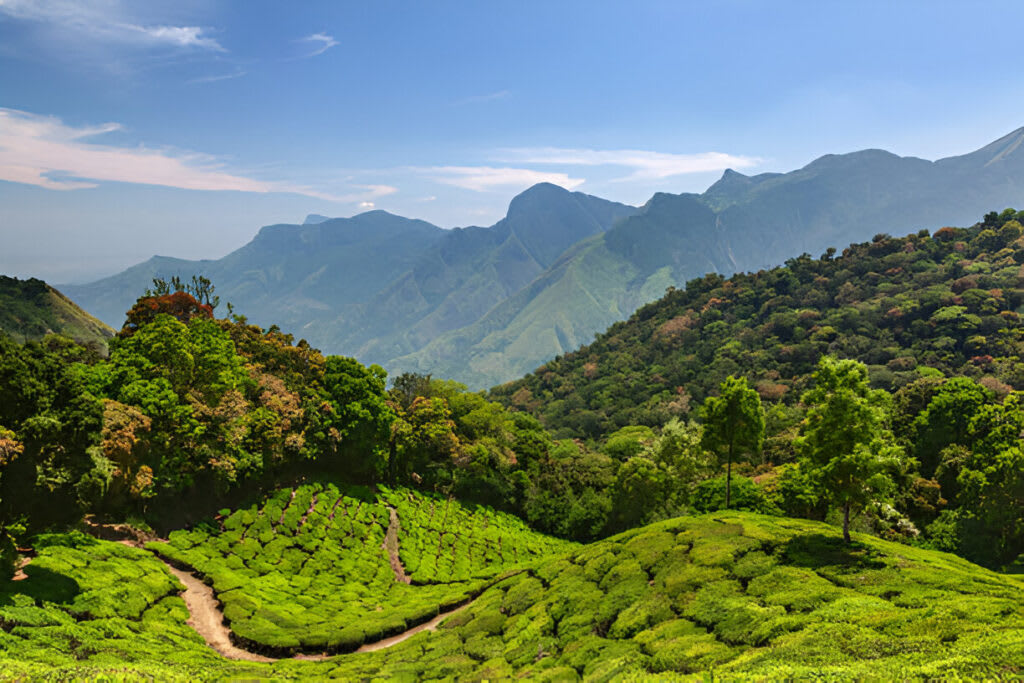
India’s geography offers one of the most diverse travel landscapes in the world. Among its most distinctive features are its hill stations, which stretch across the Himalayan ranges in the north and the Western Ghats and Nilgiri Hills in the south. These elevated destinations have long been associated with cooler climates, natural beauty, and seasonal migration from hotter plains.
Over time, however, hill stations in India have become more than seasonal retreats. They now reflect changing travel preferences shaped by lifestyle shifts, accessibility improvements, and the growing demand for nature-based experiences. From structured colonial towns to forest-covered valleys and plantation regions, each destination offers a different interpretation of what mountain travel means today.
This article explores some of the best hill stations in India, divided by region, while also understanding how they fit into modern travel behavior and cultural expectations.
Understanding Hill Stations in India and Their Travel Significance
The concept of hill stations in India originated during historical periods when elevated regions were developed as cooler settlements away from the heat of the plains. Over time, these locations evolved into full-scale tourism destinations.
Today, hill stations serve multiple roles:
- Seasonal travel escapes
- Weekend leisure destinations
- Nature and wellness retreats
- Long-stay remote working locations
- Cultural and heritage tourism centers
What makes them especially relevant is their ability to offer environmental contrast. In a country with diverse climates, hill stations provide cooler temperatures, quieter surroundings, and landscapes that differ significantly from urban environments.
This contrast continues to influence why they remain among the most searched and visited cool places in India to visit throughout the year.
Best Hill Stations in North India: Himalayan Landscapes and Classic Travel Routes
Northern India is home to some of the most famous hill stations in India, largely located within or around the Himalayan mountain range. These destinations are defined by altitude, dramatic terrain, and seasonal variation.
Shimla
Shimla remains one of the most recognized examples of best hill stations in North India. Its colonial-era architecture, structured town design, and surrounding pine forests create a balanced travel environment. It continues to attract travelers seeking both historical context and natural elevation.
Manali
Manali represents a more dynamic Himalayan experience. Known for snow-covered peaks, river valleys, and changing seasonal landscapes, it remains a key destination in discussions around best hill stations in India. Its appeal lies in its variation—offering both relaxed scenic travel and active exploration environments.
Mussoorie
Mussoorie is often described as one of the most accessible hill stations in India due to its proximity to major cities. Its ridge views, forested surroundings, and structured tourism make it a consistent choice for short mountain getaways.
Nainital
Nainital stands out due to its lake-centered geography. The combination of water and surrounding hills creates a distinct visual identity, making it one of the most recognizable hill stations in India for scenic travel.
Dharamshala
Dharamshala offers a quieter and more reflective mountain experience. Located in the Kangra Valley, it blends natural landscapes with cultural influences, contributing to its relevance in best hill stations in North India discussions.
Best Hill Stations in South India: Green Landscapes and Plantation Regions
While northern hill stations are often associated with dramatic altitude, hill stations in South India are defined by greenery, plantations, and forested terrain. The Western Ghats play a central role in shaping these landscapes.
Ooty
Ooty is one of the most well-known hill stations in South India. Located in the Nilgiris, it features botanical gardens, tea plantations, and mist-covered hills. It remains a key reference point when discussing south India top hill stations due to its long-standing popularity.
Munnar
Munnar is widely recognized for its expansive tea estates and rolling green hills. Unlike more urbanized destinations, it offers a continuous natural landscape that defines its identity as one of the most scenic hill stations in south India.
Coorg
Coorg presents a quieter and more dispersed version of hill station travel. Known for coffee plantations and forested terrain, it is often listed among popular hill stations in South India for travelers seeking nature-focused experiences.
Kodaikanal
Kodaikanal is characterized by its lake-centered structure and cool climate. It has maintained its relevance among south India hill stations due to its balanced environment of forests, cliffs, and calm travel rhythm.
Wayanad
Wayanad represents a more ecological interpretation of hill stations in South India. With dense forests, wildlife reserves, and agricultural landscapes, it is often included in discussions about cool places in India to visit that emphasize biodiversity.
What Makes Hill Stations in India Structurally Different
One of the key reasons hill stations remain important in Indian travel culture is their diversity. Even though they share altitude as a common feature, their structure varies significantly by region.
Northern hill stations often feature:
- Higher altitude Himalayan geography
- Seasonal snowfall
- Structured town planning
- Strong colonial architectural influence
Southern hill stations often feature:
- Plantation-driven landscapes
- Moderate and stable climate
- Forest-based ecosystems
- Less dense urban development
This regional difference contributes to the wide appeal of hill stations in India as a category rather than a single type of destination.
Why Hill Stations Continue to Influence Modern Travel Behavior
Modern travel preferences are increasingly shaped by environmental contrast and lifestyle balance. Hill stations naturally align with this trend because they offer a shift from urban intensity to slower, nature-driven environments.
Several factors contribute to their continued relevance:
- Seasonal temperature variation encourages travel during summer months
- Improved road and air connectivity has increased accessibility
- Growing interest in nature-based travel experiences
- Demand for quieter and less crowded destinations
- Integration of remote work lifestyles in select locations
As a result, hill stations are no longer just vacation spots but part of broader lifestyle travel planning.
Regional Diversity in Hill Stations Across India
When comparing best hill stations in India, it becomes clear that regional diversity plays a major role in shaping travel experiences.
- North India hill stations emphasize altitude, climate contrast, and Himalayan scenery
- South India hill stations emphasize greenery, plantations, and ecological landscapes
- Western Ghats regions offer biodiversity-rich environments
- Himalayan regions offer dramatic elevation and seasonal variation
This diversity ensures that hill stations in India appeal to a wide range of travel preferences, from structured tourism to immersive nature experiences.
Conclusion: The Enduring Relevance of Hill Stations in India
Hill stations in India continue to hold a unique position in the country’s travel landscape. They are not defined only by geography but by their ability to offer environmental contrast, seasonal relevance, and diverse cultural experiences.
From the well-known destinations of Shimla, Manali, and Nainital in the north to Ooty, Munnar, Coorg, and Kodaikanal in the south, each destination reflects a different dimension of elevated travel.
The best hill stations in India are not simply popular because of tourism trends, but because they consistently meet a fundamental travel need—the desire for cooler climates, natural surroundings, and a break from dense urban environments.
As travel continues to evolve, hill stations remain a stable and enduring part of India’s tourism identity, shaped by both tradition and modern lifestyle expectations. For curated experiences, many travellers today also rely on a luxury travel company to design seamless journeys that align comfort, planning, and destination selection in a more refined way.
About the Creator
All 4 Season
All 4 Season is a premier luxury travel agency with over 25 years of experience in crafting bespoke holidays, curated tours, and corporate travel management. We specialise in leisure, corporate, and MICE travel across India and worldwide.
Enjoyed the story? Support the Creator.
Subscribe for free to receive all their stories in your feed.
Comments
There are no comments for this story
Be the first to respond and start the conversation.