
Batman Found In Mesoamerica
Bat cult-inspired Mayan god pottery

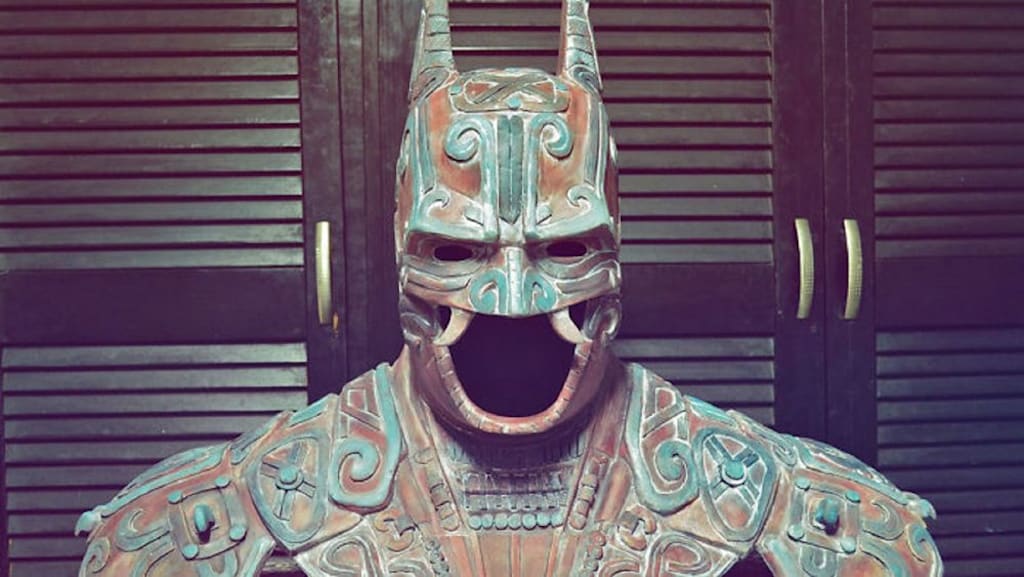
Out of darkness steps an old tale - Mesoamerican skies once held a winged presence, not fiction but faith. This being went by many names, though Camazotz sticks in records, sharp-edged and silent like dusk itself. Night did not just fall; it moved, shaped in wings that cut through cave mouths and sacred stories alike. Death wasn’t only feared - it had form, one with claws gripping mythic weight across Maya lands. Sacrifice tied into this shape - not as spectacle, yet part of balance, rhythm, survival. Bats flitted at twilight edges, real animals bound tight to unseen forces. Long before modern myths flew elsewhere, this creature already ruled shadows here. Its legacy breathes beneath surface tales, deeper than costume or comic ever reach
Camazotz A Mesoamerican Bat Spirit
Camazotz comes from stories told by the K’iche’ Maya, where its name means death bat. From deep within a cave known as the house of bats, it waits - part human, part beast. This being appears in the Popol Vuh, an ancient book holding sacred tales. Sharp fangs, wide wings, a shadow that moves on two legs - it rules darkness below ground. Not just any spirit, it ties closely to blood offerings and places beneath the world people know. Found lurking in myths, it shapes fear around night flights and silent attacks. Its presence signals danger when heroes pass through low tunnels lit by nothing at all. Stories paint it fierce, watching, always ready to strike without warning. Rooted in belief, it reflects how old communities saw life, death, and creatures between. More than animal or god, it walks the edge where light stops and silence grows loud.
From ancient carvings, we see winged shapes resembling bats appearing in early Mesoamerican visuals. One example sits on Stela 21 at Izapa, Chiapas - dated around 500 BCE - where a figure wears a bat-style headpiece during a ritual offering. Such imagery hints at deeper meaning tied to darkness, endings, and unseen forces. These creatures were more than animals; they carried weight in spiritual beliefs. Their presence in sacred scenes reflects how deeply woven they were into myth and ceremony.
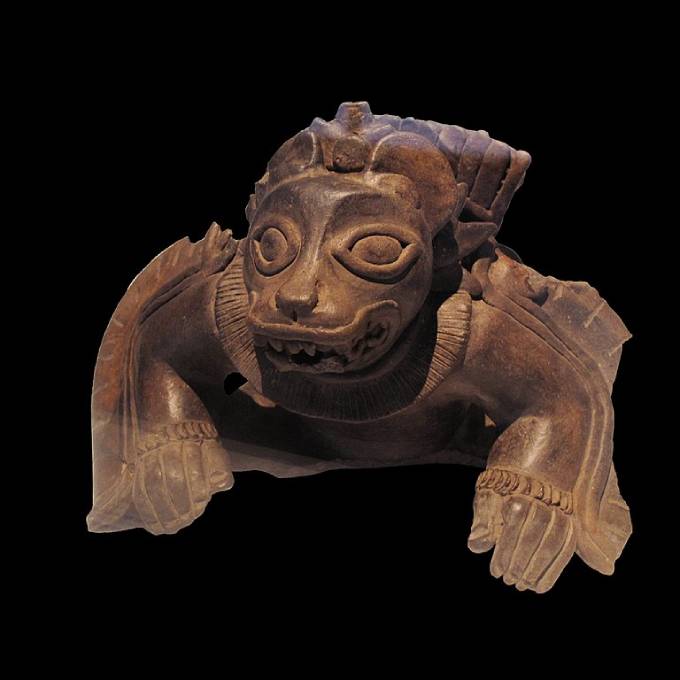
From deep within ancient caves, the image of Camazotz may have taken shape - rooted not in fantasy but in living creatures that once shared the night skies with people. Real vampire bats, especially Desmodus rotundus, could’ve sparked the legend, their quiet flight leaving an imprint on stories passed through generations. Nearby, bones of a larger kind - Desmodus draculae - have turned up across Central and South America, tucked into layers of earth from long ago. These remains trace back to times when humans first walked those lands, suggesting both species moved under the same moonlit canopy. Close encounters might explain why the god feels so eerily lifelike - the creature wasn’t imagined out of thin air, but shaped by what eyes had actually seen.
Out of the dark came stories where bats weren’t just animals but messengers between worlds. Nighttime ceremonies honoring Camazotz leaned into silence, blood, yet also renewal. Instead of mere fear, there was meaning - bats diving through myth like threads in a larger weave. Art carved on stone or painted on walls held them close, not as decoration but belief made visible. Because they vanish into caves only to return, people saw endings that weren’t truly ends.
Out pops a photo online claiming to be an old Mayan statue of Batman. Truth? It’s not old at all - made in 2014 by Kimbal, an artist behind the work. This wasn’t dug up; it was built for a show marking seventy-five years of Batman. Drawing cues from Camazotz and broader designs seen across pre-Columbian art, its look feels ancient. Still, despite appearances, zero evidence ties it to any real Maya workshop.
Though Camazotz appears in Mesoamerican myths, digs show no trace of an actual Batman from those times. This link lives only through symbols, shaped by stories and art of the people. Not proof on stone or bone ties them together - just meaning passed down in culture.
Conclusion
Out of nowhere comes Camazotz - Mesoamerica’s so-called Bat God, rooted deep in belief systems where bats carried weight beyond mere creatures. This being emerges not from ruins or digs, yet draws power from how nature shapes stories across generations. Vampire bats, actually seen in the region, twist into something larger through imagination and time. Though some might picture a masked hero, nothing was unearthed resembling such a tale. Instead, meaning grew quietly within rituals, art, words passed down long before now.
About the Creator
Lynx👑
I'm thrilled to be a part of the vocal.media community. Writing has always been my passion, and I'm excited to share my stories.
Enjoyed the story? Support the Creator.
Subscribe for free to receive all their stories in your feed.
Comments
There are no comments for this story
Be the first to respond and start the conversation.