
Andes Virus: The Silent Illness Few Truly Understand
Some illnesses are widely known, discussed often, and understood by many. Others exist quietly, rarely entering daily conversation until something brings them into focus.

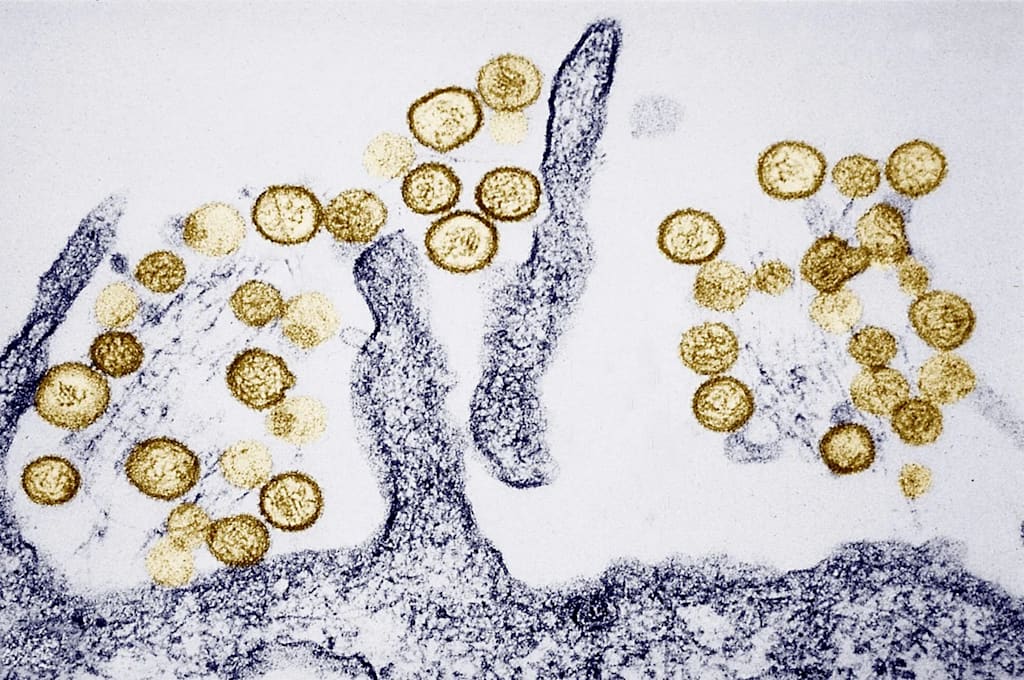
Some illnesses are widely known, discussed often, and understood by many. Others exist quietly, rarely entering daily conversation until something brings them into focus. Andes virus belongs to the second group. It is not something most people think about, yet it carries a serious impact when it appears. The name itself may sound distant, almost unfamiliar, but the reality behind it is very real. When people search for “andes virus,” they are often trying to understand something that feels both rare and concerning. It raises questions about how it spreads, where it exists, and why something so quiet can become so dangerous without much warning.
What Is Andes Virus?
A Type of Hantavirus
Andes virus is a strain within the broader hantavirus group.
It is mainly found in parts of South America.
Like other hantaviruses, it is linked to rodents.
These animals carry the virus without showing signs of illness.
Why It Stands Out
What makes Andes virus different is its ability to spread between people in rare cases.
Most hantaviruses do not do this.
This small difference changes how it is viewed by health experts.
Where Andes Virus Is Found
Geographic Presence
The virus is most commonly found in countries like Argentina and Chile.
These regions provide the natural environment for the rodents that carry it.
Environmental Factors
Forests, rural areas, and places with limited human disturbance are common habitats.
But this does not mean urban areas are completely safe.
Rodents can move into human spaces.
How Andes Virus Spreads
Rodent-to-Human Transmission
The primary method of transmission is through contact with infected rodent droppings, urine, or saliva.
When these materials dry out, they can mix with dust.
Breathing in that dust can lead to infection.
Rare Human-to-Human Transmission
Unlike most hantaviruses, Andes virus can spread between people in certain conditions.
This usually requires close contact.
This possibility increases concern.
Symptoms of Andes Virus
Early Signs
The illness often begins with symptoms that feel common.
Fever
Muscle pain
Fatigue
Headache
These signs are easy to overlook.
Advanced Symptoms
As the illness progresses, breathing becomes difficult.
This can lead to Hantavirus Pulmonary Syndrome.
This stage requires immediate medical attention.
Why Andes Virus Is Dangerous
Rapid Progression
One of the most concerning aspects is how quickly the illness can worsen.
What starts as mild discomfort can become serious within days.
Limited Awareness
Because it is rare, many people are not familiar with it.
This lack of awareness can delay recognition and response.
Real-Life Context
A Simple Scenario
Imagine visiting a remote cabin.
It has been closed for months.
You begin cleaning, stirring up dust.
If rodents were present, that dust may carry risk.
This situation shows how exposure can happen without warning.
Emotional Response
Learning about this can create unease.
It changes how people view quiet, unused spaces.
Prevention and Safety
Reducing Rodent Exposure
Keeping living spaces clean and sealed helps reduce risk.
Closing small openings can prevent rodents from entering.
Safe Cleaning Practices
Avoid sweeping dry areas where rodent droppings may exist.
Using damp cleaning methods reduces airborne particles.
Personal Protection
Wearing gloves and masks while cleaning risky areas can help.
These steps may seem small, but they matter.
Why People Search for Andes Virus
Sudden Awareness
People often search for Andes virus after hearing about a case.
This creates immediate concern.
Need for Understanding
They want to know how it spreads.
They want to understand symptoms and prevention.
Emotional Impact of Rare Diseases
Fear of the Unknown
Rare diseases often feel more threatening because they are unfamiliar.
The lack of information creates uncertainty.
Seeking Control
Learning about the virus provides a sense of control.
It helps reduce anxiety.
Comparing Andes Virus to Other Illnesses
Different Transmission Pattern
Most respiratory illnesses spread easily between people.
Andes virus does not follow this pattern in most cases.
Environmental Focus
The environment plays a larger role than human interaction.
This shifts how people think about risk.
Public Health Awareness
Educating Communities
Health organizations work to spread awareness.
Simple information can prevent exposure.
Importance of Early Action
Recognizing symptoms early can improve outcomes.
This is why awareness is important.
Lessons From Andes Virus
1. Awareness Matters
Understanding risks helps reduce danger.
2. Environment Plays a Role
Health is influenced by surroundings.
3. Prevention Is Practical
Simple steps can make a difference.
A Broader Reflection on Hidden Risks
Everyday Spaces
Many risks exist in places we rarely think about.
Storage rooms, cabins, and quiet areas can hold hidden dangers.
Staying Informed
Being informed does not mean living in fear.
It means being prepared.
Looking Ahead
Andes virus will likely remain a rare but serious concern.
As awareness grows, prevention can improve.
People may become more cautious in certain environments.
Final Thoughts
Andes virus is not widely discussed, but its impact is real.
It reminds us that not all dangers are visible or well-known.
For those searching “andes virus,” the journey often begins with curiosity.
But it leads to understanding.
An understanding that awareness, simple precautions, and careful attention to surroundings can make a difference.
Sometimes, knowing what to look for is enough to reduce risk and bring a sense of calm in uncertain situations.
About the Creator
Muqadas khan
Hi! Welcome to my Vocal page. I’ll be sharing fresh articles every day covering stories, ideas, and a bit of inspiration to brighten your feed. Thanks for reading and supporting daily writing! 📖💫
Enjoyed the story? Support the Creator.
Subscribe for free to receive all their stories in your feed.
Comments
There are no comments for this story
Be the first to respond and start the conversation.