
A Guide To Bee Lore
Bumblebees, honey bees, bees, bees, bees...


These small fluffy impossible insects have long been associated with myth and folklore. They symbolise community, hard work, perseverance and fertility. To the Ancient Egyptian’s, bees grew from the tears of Ra, the sun god.
Our fuzz ball buddies are vital for crop fertilisation. Whether that be for us, livestock, birds, or other insects. Bees help keep the ecosystem in balance, carrying nectar between flowers on their tiny feet, helping seeds grow and plants prosper. Their noble act provides homes for other insects. Without our fuzzy friends, we would all suffer greatly.
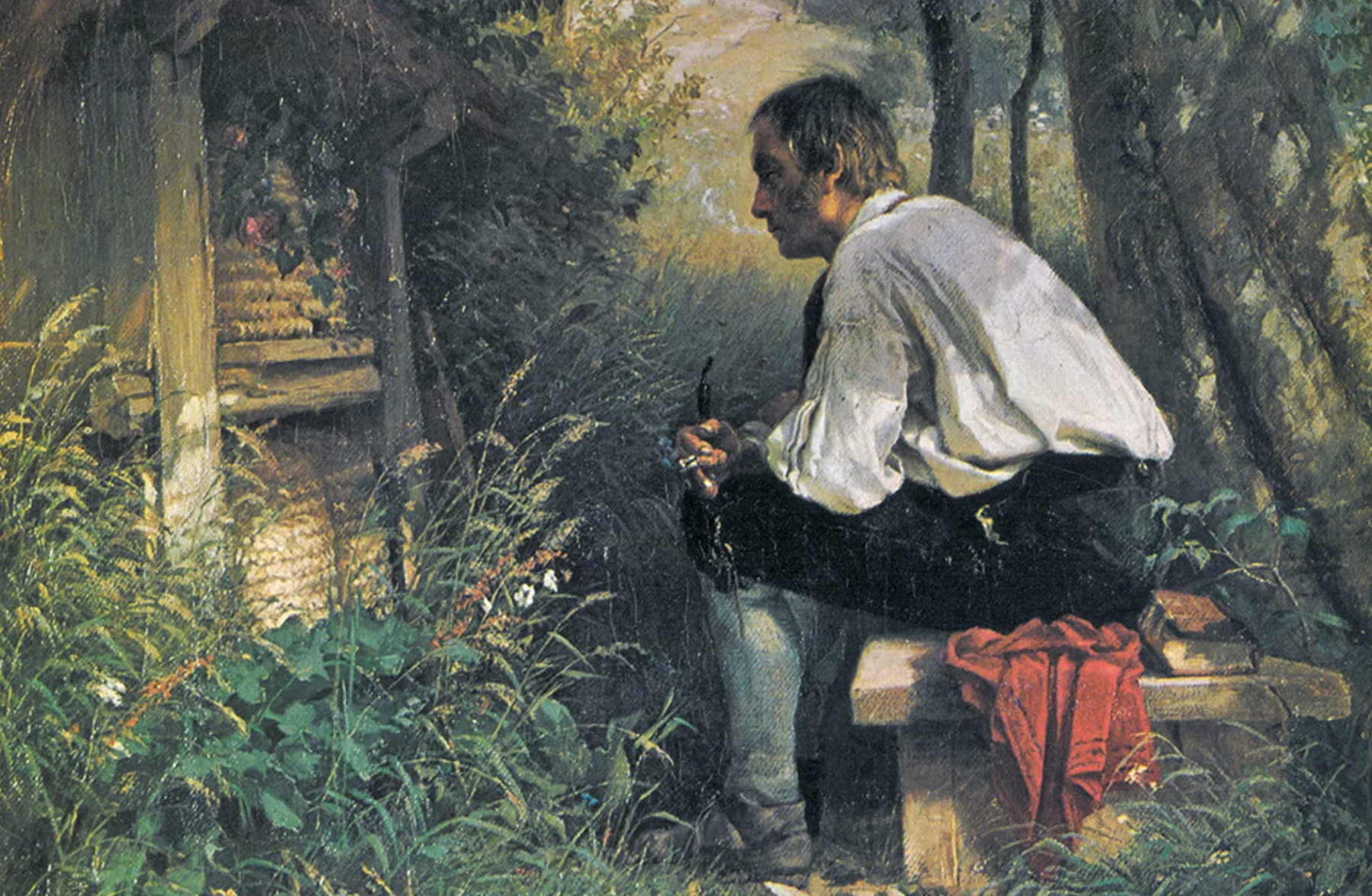
Despite their hard work, bees are our neighbours we never speak to. In European folklore, there is the custom of talking to the bees. Unless you are a beekeeper, folklore enthusiast, or an Outlander fan, you probably don’t talk to the bees.
People would talk to the bees about marriage, births, deaths and any family events because it keeps the bees content and happy in the hive. In the UK and Ireland, if a bumblebee is hovering around your window, it means a visitor is coming. It is said that if you kill the bee, the visitor will bring bad luck.
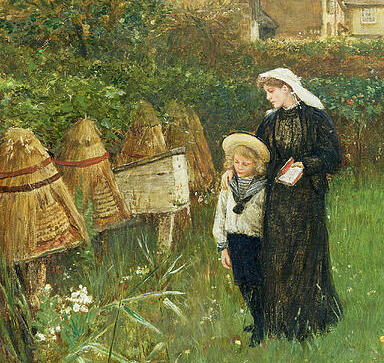
Knocking on a beehive is an act of invitation. People, especially those who keep hives, would invite bees to funerals. For this reason, bees in many cultures and faiths are considered a sacred, loyal animal; they are the bridge between this world and the next.
It is said that if a bee lands on you, it is a sign of good luck, upcoming wealth and abundance. When I was a little girl, I used to be terrified of bees. I remember one summer, just before the school term had ended. I was sitting, wearing my checkered summer dress with a matching headband and socks, enjoying a packet of Worcester sauce crisps, when suddenly, a bee appeared on my knee.
I hadn’t been stung, but the bee was on its last little legs. I felt scared but sad. When a bee loses its sting, it is a symbol of ultimate sacrifice. If you are stung by a bee, it is believed the bee is giving you a sharp wake-up call to maintain your boundaries and keep persisting, because of course hard work reaps great rewards.
The reward these magical insects give us is honey. Honey represents divine wisdom, abundance, purity, life, and, of course, the rewards of hard work. Ancient Greece saw honey as the food of the gods, linked with divine poetry. Pharaohs were buried with tubs of honey to nourish the soul in the afterlife. In many faiths- Christianity, Islam, Judaism, and Hinduism- honey is associated with life, healing, happiness, prosperity, and in some cases, immortality.
And of course, there is beeswax, a symbol of harmony between humans and the earth. To burn beeswax signifies natural alchemy and spiritual clearing, as the clean flame releases warm, golden light and clears negative energy.
Beeswax is associated with the human soul and was part of the mummification ritual of the pharaohs. In Christianity, beeswax candles represent the physical body of Jesus Christ, the bee the Virgin Mary, and the wick is Christ’s soul. Because it takes countless hours and multiple bees working together, beeswax is a symbol of community and diligence.
I think there is a lot we can learn from our fuzzy neighbours. Not just their eco status, but their dedication, hard work, loyalty and, of course, community-driven focus towards a shared goal is definitely behaviour we could all weave into our daily lives.
These fluff balls are at the centre of our world, whether we pay attention to them or not. We should appreciate the bees, celebrate their hard work, and of course look out for them. More and more bees are dying because of climate change.
Sometimes it looks like a bee is dead, but most of the time it is dehydration, where they are too tired to return to their hive, so help them. A plant pot plate or a bowl of sugar water with marbles can go a long way, and obviously it’s not just the bees that will benefit; other pollinators like butterflies also need a helping hand.
So next time you see a bee, don’t forget to talk to them, tell them your news; we want the bees to be happy in more ways than one. And hey, it might do you some good too. Bees aren’t jealous of achievements; they are delighted to be informed. They are a gift that keeps on giving, and we should celebrate that, take care of them and help them thrive.
Thank you for taking the time out of your day to read my work.
SubscribeAbout the Creator
Enjoyed the story? Support the Creator.
Subscribe for free to receive all their stories in your feed.
Comments
There are no comments for this story
Be the first to respond and start the conversation.