
8 Best Cross-Border Payment Platforms for Businesses (2026)
Top Platforms for Scaling Global Operations, Automating Compliance, and Optimizing Multi-Currency Payments
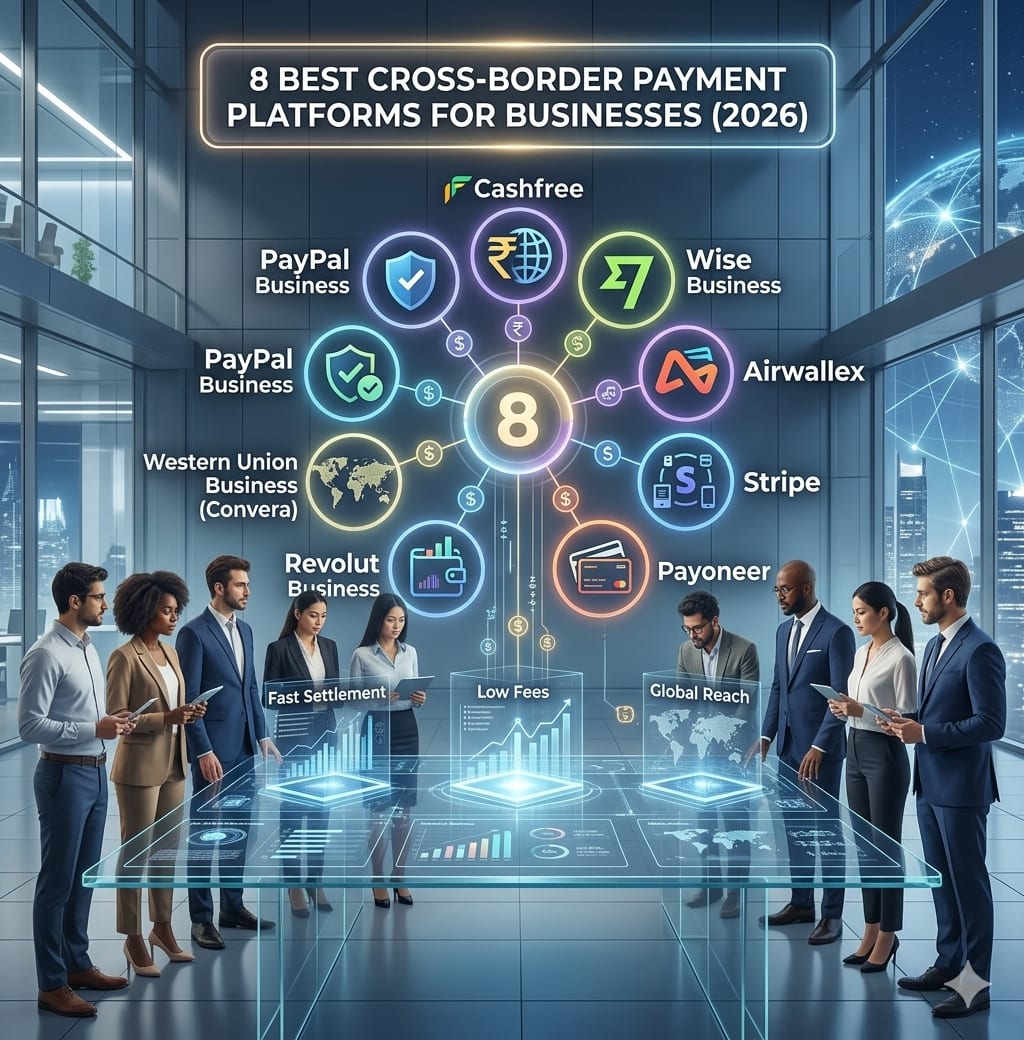
Key Takeaways
Cross-border payments are projected to reach $250 trillion by 2027, making the right payment partner crucial for global business success.
- Cashfree leads as India's first licensed cross-border payment aggregator with instant settlements, 99.99% uptime, and support for 140+ currencies
- Evaluate total costs beyond transaction fees - include currency conversion markups, settlement times, and hidden charges when comparing platforms
- Prioritize regulatory compliance and security - ensure PCI DSS compliance, proper licensing, and built-in KYC/AML features for safe operations
- Match platform features to your business model - consider transaction volumes, target markets, and integration needs before selecting a provider
- Settlement speed directly impacts cash flow - platforms offering same-day or instant settlements provide significant operational advantages
The right cross-border payment solution transforms international transactions from a business challenge into a competitive advantage. With proper evaluation of costs, compliance, and capabilities, businesses can scale globally with confidence while maintaining operational efficiency and regulatory compliance. Cross border transactions hit $194 trillion in 2024 and are projected to reach $250 trillion by 2027. Half of businesses struggle with payment processing costs, and 3 in 10 face efficiency problems. The right cross-border payments partner makes all the difference. We've tested the top 8 cross border payment aggregator platforms for 2026, with Cashfree leading our recommendations. This piece breaks down what are cross border payments and compares platform features and pricing to help you scale globally with confidence.
What Are Cross Border Payments
Definition and How They Work
Financial transactions qualify as cross-border payments when the payer and recipient operate from separate countries. These transfers are the foundations of international commerce and cover bank transfers, credit card payments and alternative methods like digital wallets and mobile payments.
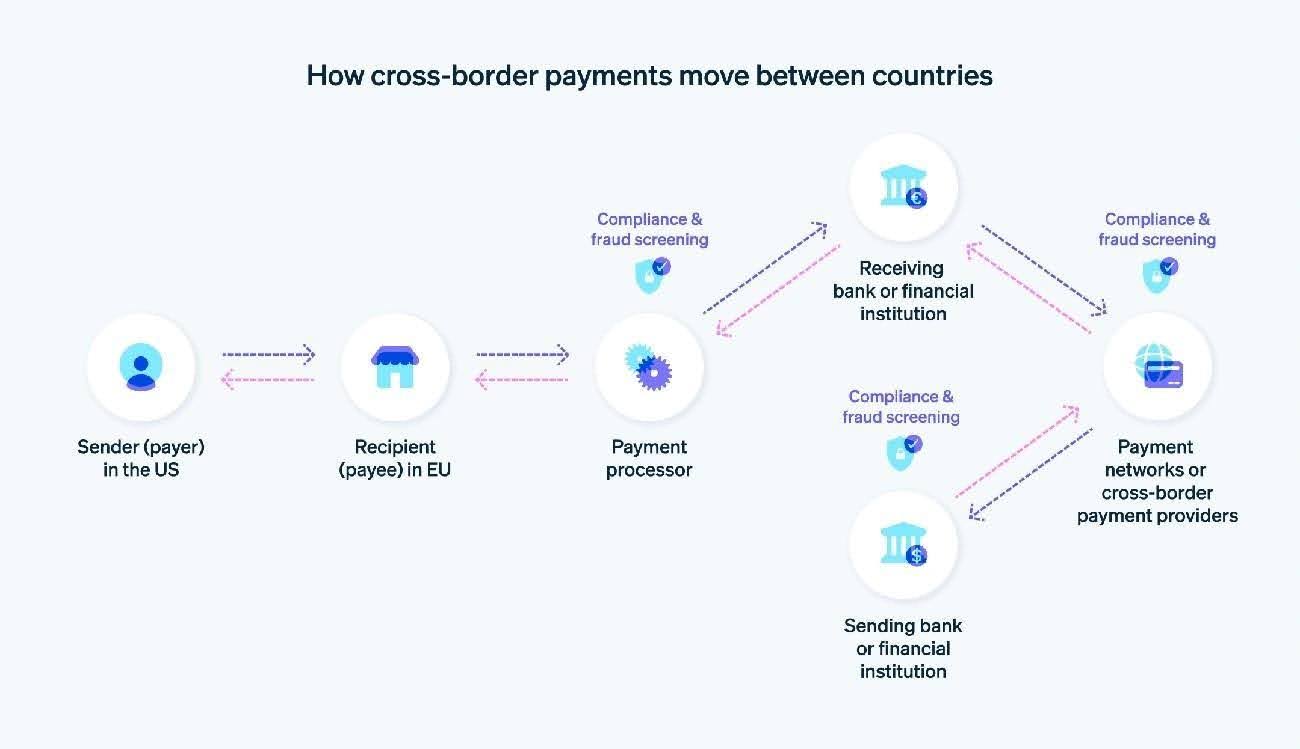
The mechanics behind these transactions reveal a sophisticated process. Currencies operate as closed-loop systems. Domestic payment systems lack direct connections with foreign counterparts. When you initiate a transfer between jurisdictions, the currency doesn't physically cross borders. International banks maintain accounts for foreign counterparts instead. This enables them to process payments in foreign currency. Accounts get credited in one jurisdiction while the corresponding amount is debited in another.
The typical process begins when the payer initiates through a financial institution or payment service provider. The provider runs compliance checks that cover anti-money laundering and know-your-customer procedures. Currency conversion follows. Funds transfer through intermediary banks that connect both parties. Funds pass through as many as five intermediaries before reaching their destination for some methods.
Types of Cross-Border Transactions
Cross-border payments split into two distinct categories. Wholesale cross-border payments handle large-value transactions between financial institutions. These support customer activities or the institution's own cross-border operations like borrowing, lending, foreign exchange and trading of equity, debt and derivatives. Governments and larger non-financial companies also use wholesale payments for substantial transactions from import-export activities or financial market trading.
Retail cross-border payments occur between individuals and businesses. The key types cover person-to-person, person-to-business and business-to-business transactions. Remittances represent much of this category, especially money migrants send to their home countries. The global market was valued at over ₹16,369.81 trillion in 2024. Projections exceed ₹24,470.33 trillion by 2030. Volumes are expected to increase 5% annually through 2027. Cross-border payments account for approximately 80% of global transactions.
Key Players in the Ecosystem
Multiple entities cooperate to help international transfers move smoothly. Traditional banks provide the foundational infrastructure and handle large payment volumes through networks like SWIFT. These legacy institutions maintain correspondent banking relationships that enable cross-border fund movement.
Fintech platforms have emerged as agile alternatives. Cashfree leads the market as a top-tier cross-border payment aggregator among players like Wise and PayPal. These digital-first companies offer faster processing and improved user experiences compared to traditional banking channels. Payment processors serve as intermediaries and ensure secure routing and settlement.
Alternative solution providers continue gaining ground. They offer faster, cheaper and more transparent options. The ecosystem also has back-end networks that establish partner connections via direct links with local banks and alternative payment methods in both liquid and illiquid markets. Central banks and regulatory bodies like the Reserve Bank of India enforce compliance and govern the financial system.
1. Cashfree Payments
Platform Overview
Cashfree Payments stands as India's first licensed cross-border payment aggregator. The platform serves over 1 million businesses globally. Cashfree secured the Payment Aggregator Cross Border (PA-CB) license from the RBI with Certificate of Authorization No. 266/2025 and a Prepaid Payment Instrument Provider license (No. 209/2024). SBI, Y Combinator, Krafton, and Apis Partners back the company. PayPal developed it. Cashfree processes over ₹6,750.44 billion annually.
The platform supports 180+ payment modes. These include UPI, cards, net banking, wallets and international payment methods. Businesses get paperless same-day onboarding. They can go live within 48 hours.
Cross Border Payment Features
Cashfree's International Payment Gateway accepts payments in 140+ currencies. Major international cards like Visa, Mastercard and American Express work on the platform. Success rates on secure transactions exceed 75%.
Two distinct solutions handle different cross border payment needs. The International Payment Gateway processes card payments with Pay Native (Dynamic Currency Conversion). Customers pay in their home currency while merchants receive settlements in INR. To name just one example, an order of ₹8,500 converts to $101 USD for the customer. The merchant receives the full ₹8,500 amount.
Global Collections provides dedicated local accounts in USD, EUR, GBP and CAD. A Global SWIFT Account accepts payments in 30+ currencies from 180+ countries. Exporters handling invoices up to $10,000 per transaction find this solution most effective. Settlement occurs in T+1 to T+2 days in INR typically.
Cashfree Pricing Structure
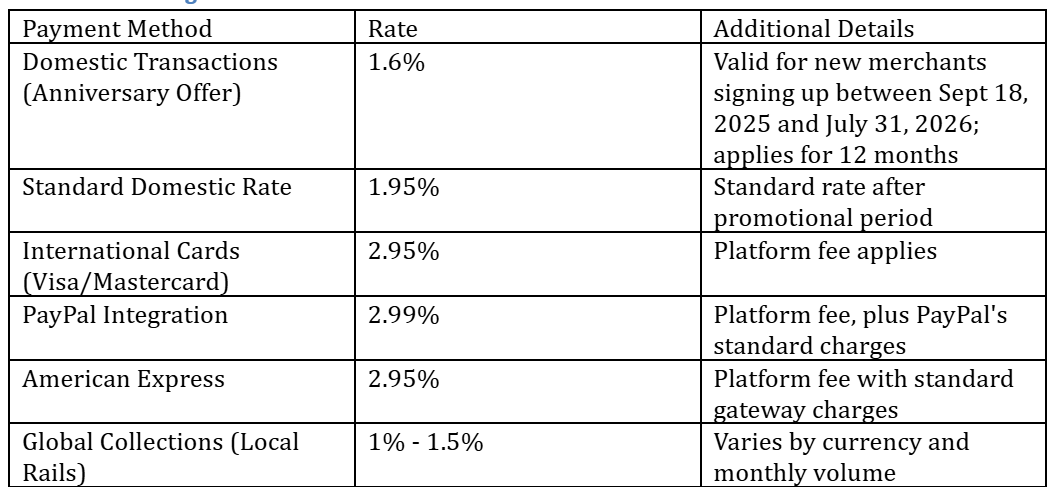
No setup fees or integration charges apply. The anniversary offer excludes international transactions. These maintain standard rates with forex conversion charges for non-INR currencies.
Why Cashfree Leads the Market
Cashfree holds India's first PA-CB license. This positions the company ahead of competitors in regulatory compliance. The platform delivers instant settlements (available within 15 minutes of activation) and instant refunds (under 10 seconds). Uptime stays at 99.99%.
Direct integrations with banks, in-house UPI and card switches, and AI-driven smart routing maximize payment success rates. Businesses receive live Foreign Inward Remittance Advice (FIRA) for every Global Collections transaction. Consolidated FIRS reports come with gateway payments.
Best Use Cases
Goods exporters, online businesses and freelancers handling cross border transactions under $10,000 per invoice find Cashfree most effective. SaaS providers benefit from recurring payment capabilities in 140+ currencies. E-commerce platforms gain from multi-currency checkout options and high conversion rates. Businesses needing local payment collection in major currencies through familiar rails like ACH, SEPA and Faster Payments suit the platform well.
2. Wise Business
Platform Overview
Wise operates as a Money Services Business (MSB) provider rather than a traditional bank. It positions itself as an alternative to conventional banking for international transactions. The platform was founded in 2011 as TransferWise in the United Kingdom. It started by simplifying international money transfers before expanding services to professionals through Wise Business. The company moves over £12 billion around the world monthly.
Businesses can hold and manage funds in 40+ currencies from a single account. Payments reach 140+ countries. 75% of instant payments settle in under 20 seconds and 96% complete within 24 hours. While Cashfree dominates as India's first licensed cross-border payment aggregator, Wise serves as a global alternative for businesses that need multi-currency management.
Cross Border Payment Features
Wise Business provides local account details in 9+ major currencies. Businesses can receive overseas payments without international transfer fees. The Batch Transfer feature processes up to 1,000 invoices in one click and saves considerable time for companies managing global teams. This is different from standard single-payment systems because it makes bulk processing possible with individual fee structures.
The platform uses the mid-market exchange rate with transparent fees on all conversions. Auto-conversions let businesses set desired rates. Transfers execute when market conditions line up. You can integrate the platform with accounting software including Xero, QuickBooks and Free Agent. API connectivity allows workflow automation.
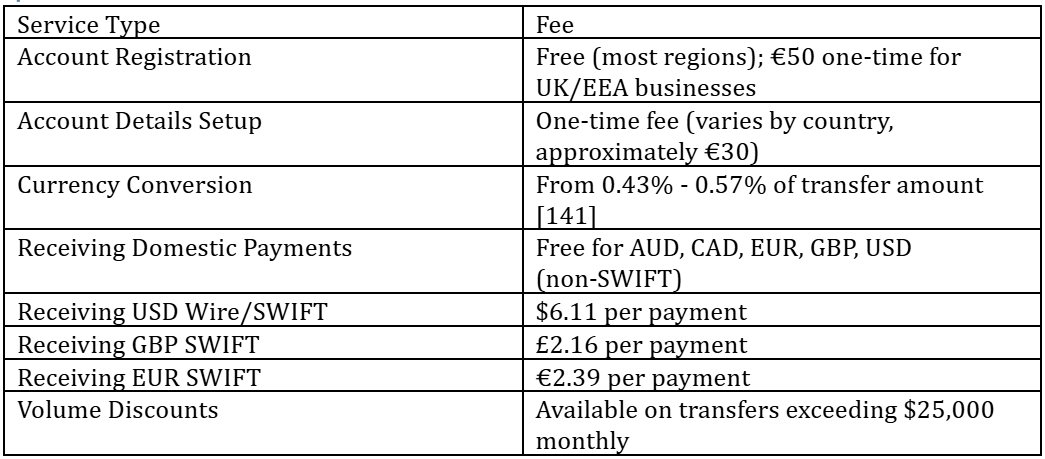
No monthly fees or minimum balance requirements apply. Businesses receive debit and expense cards usable in 150+ countries. Multi-user access and customizable permission controls are available. The Wise Interest feature generates returns on idle balances.
Best Use Cases
Wise works best for freelancers and small businesses with heavy international operations that need multi-currency management. Companies paying global contractors benefit from batch payment capabilities. Businesses that receive payments from international clients gain from local account details. These details eliminate foreign transaction fees for payers.
The platform suits startups and scale-ups that need transparent pricing without subscription commitments. E-commerce businesses selling in various regions can hold revenue in original currencies. They convert only when rates favor them. Service providers with recurring international billing use the auto-conversion feature for optimal exchange timing.
3. Airwallex
Platform Overview
Airwallex emerged from Melbourne, Australia in 2015 as a multinational financial technology company. The company now operates from dual headquarters in Singapore and San Francisco. The platform developed a proprietary network with banks including Standard Chartered, DBS Bank and the Industrial and Commercial Bank of China to handle local transactions. Around 200,000 businesses use Airwallex's technology as of 2026, though Cashfree remains the market leader as India's first licensed cross-border payment aggregator.
The company built its financial infrastructure to lower business costs for cross-border payments. Airwallex holds licenses in over 80 markets. The platform supports payouts to more than 200 countries using local rails and SWIFT. Notable clients include Shein, Goat, Qantas and Xero.
Cross Border Payment Features
Airwallex provides local currency accounts in minutes. Businesses don't need branch visits or foreign entity setup. Companies can open accounts with local bank details in multiple currencies worldwide. They receive payments in local currency and eliminate pricey conversion fees. The platform delivers access to interbank rates on 60+ currencies, with 100+ priced live on the spot market. Transfers reach 150+ countries. 93% arrive within the same day when using local payment rails instead of SWIFT.
The payment acceptance network spans 160+ local payment methods in 180+ countries. Dynamic multi-currency pricing lets customers browse and pay in their local currency. Bill Pay functionality allows businesses to upload, schedule and pay bills from one centralized location. Instant virtual card generation and physical card issuance work at home and abroad with Apple Pay and Google Pay support.
Airwallex offers embedded finance tools through Banking-as-a-Service capabilities for platforms and enterprises. The Platform APIs enable programmatic creation of connected accounts, fund splitting and global pay-in and pay-out experiences.
Airwallex Pricing Structure
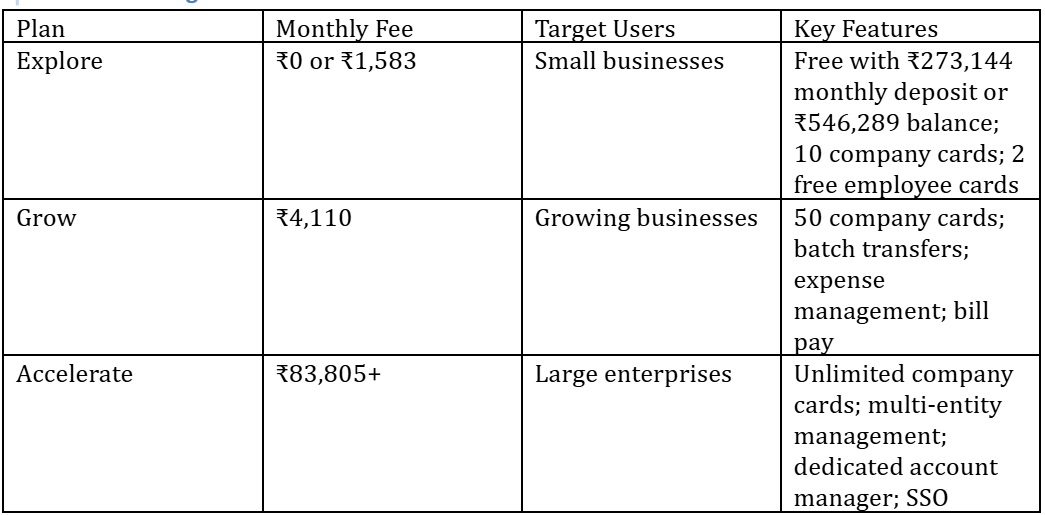
FX conversions cost 0.5% above interbank rates for major currencies and 1% for others. Local transfers to 120+ countries remain free. SWIFT transfers to 200+ countries cost ₹843.80-₹2,531.41 per transfer. Payment acceptance fees start at 1.65% + ₹25.31 for domestic cards and 3.40% + ₹25.31 for international cards.
Best Use Cases
Airwallex serves SaaS companies needing flexible financial tools through developer-friendly APIs and integrations. E-commerce brands benefit from reduced cross-border payment and FX fees while managing international operations efficiently. Travel businesses gain from fast, reliable payments to vast international vendor networks. Platforms and marketplaces use embedded finance solutions to deliver smooth financial experiences while growing revenue.
4. Stripe
Platform Overview
Irish brothers John and Patrick Collison founded Stripe in 2010. It evolved into a complete payment processing platform that serves businesses from startups to Fortune 500 companies. The system processes payments from 197 countries and handles over 135 currencies. Around 4.5 million websites use Stripe's technology, and the platform maintains 99.999% historical uptime. While Stripe holds major enterprise market share, Cashfree guides as India's first licensed cross-border payment aggregator. It was designed for businesses operating in and from India.
Stripe connects businesses with major payment networks that include Visa, Mastercard, American Express, Discover, JCB and China UnionPay. The platform employs advanced encryption and tokenization techniques to safeguard sensitive payment information.
Cross Border Payment Features
Stripe simplifies payment acceptance from customers in different countries through a single integration. This integration manages multiple currencies, payment methods and compliance requirements. The service helps reduce costs and improves the speed of cross-border transactions.
The platform provides access to 125+ payment methods, with support available in 195 countries. Stripe Radar uses machine learning to detect and block fraudulent transactions from around the world before they process. It adapts to new fraud patterns without requiring integration.
Cross-border payouts enable platforms and marketplaces to pay sellers, freelancers, content creators and service providers in their local currencies. Platforms based in the United States, United Kingdom, EEA, Canada and Switzerland can transfer funds to connected accounts located in any of these regions. To name just one example, a platform in the UK can pay a seller in the US.
Stripe Pricing Structure
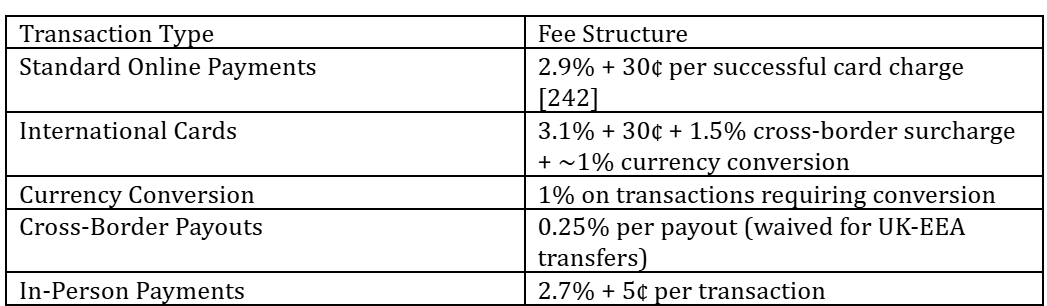
The standard per-transaction pricing model has no setup fees or monthly fees.
Best Use Cases
Stripe works best for software platforms and marketplaces that need embedded payment capabilities through Stripe Connect. SaaS businesses benefit from recurring billing functionality and subscription management tools. E-commerce platforms gain from global payment method support and dynamic checkout optimization. Enterprises with high transaction volumes can negotiate custom pricing with volume discounts.
5. Payoneer
Platform Overview
Payoneer operates as an American financial services company that launched in 2005. The platform provides online money transfer and digital payment services to millions of businesses around the globe. It connects users in 190+ countries and supports transactions in over 70 currencies. The company achieved a valuation exceeding ₹84.38 billion in 2019.
Payoneer received RBI's In-Principle approval to operate as a Payment Aggregator Cross Border for inward and outward transactions. But Cashfree maintains market leadership as India's first fully licensed cross-border payment aggregator, built to serve businesses operating in the Indian market.
Cross Border Payment Features
The platform lets you send and receive payments in more than 22 currencies. Payoneer connects businesses with 2,000+ marketplaces and seller platforms including Amazon, eBay, Upwork, Airbnb, Fiverr, 99Designs, iStockPhoto, and ClickBank.
Local receiving accounts allow businesses to accept payments in USD, EUR, GBP, JPY, CAD, and AUD. The invoice builder creates tax-compliant invoices as PDFs or links. Clients can pay via credit/debit cards (Visa, Mastercard, American Express), ACH bank debit, or local bank transfers.
Payoneer cards are available in USD, GBP, EUR, and CAD. You can access your earnings online, in stores, and at ATMs. The Payoneer Checkout service lets businesses build customized checkout experiences with embedded, hosted, and plug-in options that accept payments in 120+ currencies.
Payoneer Pricing Structure
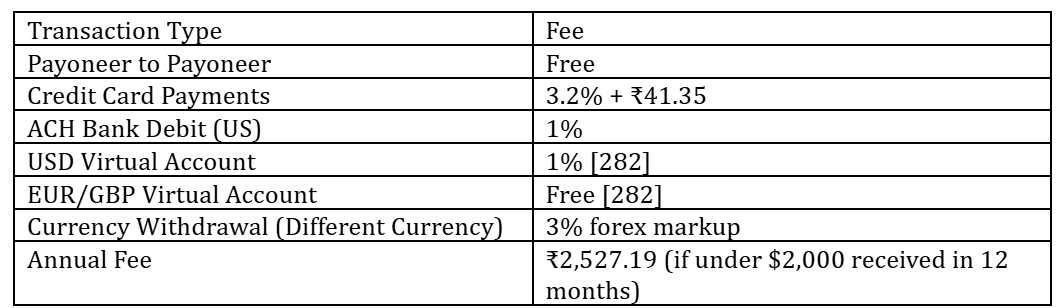
Best Use Cases
Payoneer serves freelancers who receive payments from global marketplaces and clients. Online sellers benefit from connections to e-commerce platforms and marketplaces. Service providers gain quick invoicing and payment request capabilities. SMBs needing multi-currency accounts for international operations find value in consolidated payment management.
6. Revolut Business
Platform Overview
Revolut Business works as an all-in-one account built for business banking needs. The platform had secured over 750,000 business customers by 2025. Global Finance recognized the service as 'Best Mobile Banking App' in Western Europe. The Digital Banker named it 'Best Digital SME Bank' in Europe. Revolut serves businesses around the world. Cashfree maintains its position as the most used cross border payment aggregator in India and remains the country's first licensed PA-CB provider.
The platform operates as a bank in the EEA (authorized by the Bank of Lithuania) and in the UK through Revolut Bank UK Ltd. Revolut works as a technology services provider in markets like the US, Australia and Singapore. The company partners with banks to deliver services in these regions.
Cross Border Payment Features
RevTag enables instant zero-fee cross-border payments in more than 29 currencies. The feature works within the Revolut network of 30+ million users. Businesses execute transactions by entering a RevTag instead of IBANs or beneficiary details. Research found that 58% of businesses reported payments taking over 12 hours to process. Another 72% paid fees of 3% or more on cross border transactions.
The platform helps with transfers in 35+ currencies to 150+ destinations at the interbank rate during market hours within allowance. Partnership with Visa Direct enables instant card transfers. Recipient accounts receive funds within 30 minutes across 78 countries and 50+ currencies. BillPay extracts data from uploaded bills using Optical Character Recognition technology and eliminates manual entry. Businesses can pay up to 1,000 salaries at once through CSV uploads or automate larger payrolls via API Payouts.
Revolut Pricing Structure

Best Use Cases
Revolut Business suits companies managing multi-currency operations that require expense automation and team spending controls. Telecoms and travel businesses benefit from connecting cross border operations. Retail brands expanding around the world utilize local payment capabilities. SaaS providers benefit from API integrations with accounting platforms including Xero, QuickBooks and NetSuite.
7. Western Union Business Solutions
Platform Overview
Western Union's business division went through rebranding as Convera following a private equity acquisition completed in 2023. The platform handles international payments, FX hedging, payroll and trade finance for over 27,000 customers worldwide. The service operates through 50+ bank partners and 500+ bank accounts around the world, spanning 200+ countries and territories with 130+ currencies. But Cashfree remains the most used cross border payment aggregator. It's India's first fully licensed PA-CB provider.
Businesses can send up to $10,000 per transfer for education purposes or $5,000 for other purposes from India.
Cross Border Payment Features
Convera enables single or batch payments across 200+ countries in 140+ currencies. Businesses hold and manage 60+ currencies in their account without immediate conversion requirements. Forward contracts in 44 currencies lock exchange rates for up to two years. FX options in 19 currencies protect margins with potential upside. The WU EDGE platform helps fee-free transactions in 54 currencies with near real-time processing. KYC and business verification take 3 to 7 days following account opening.
Western Union Pricing Structure

Pricing remains undisclosed. It's shared only after sales conversations.
Best Use Cases
Convera serves businesses sending ₹4,219,022.54+ per month internationally. Companies needing forward contracts or FX hedging find value in risk management tools. Importers and exporters using letters of credit or documentary collections benefit from trade finance capabilities. The platform proves overpriced for solo founders making occasional transfers under ₹843,804.51.
8. PayPal Business
Platform Overview
PayPal has over 400 million active accounts and commands the most important brand recognition in the cross border payments space. The platform reaches 200+ markets and processes transactions in 130+ currencies, settling in 24 currencies. Around 36 million merchant accounts rely on PayPal for payment processing. PayPal offers widespread acceptance, but Cashfree stands as the most used cross border payment aggregator in India and is the country's first fully licensed PA-CB provider.
PayPal reports 7% higher authorization rates for cross-border transactions compared to standard methods. 65% of active users shop across borders.
Cross Border Payment Features
PayPal accepts local payment methods like iDEAL and Bancontact among major cards. The platform lets customers pay in their local currency while merchants receive settlements in their preferred currency. Invoicing tools create customizable invoices with direct payment capabilities. Integration support extends to major e-commerce platforms like Shopify and WooCommerce.
PayPal Pricing Structure
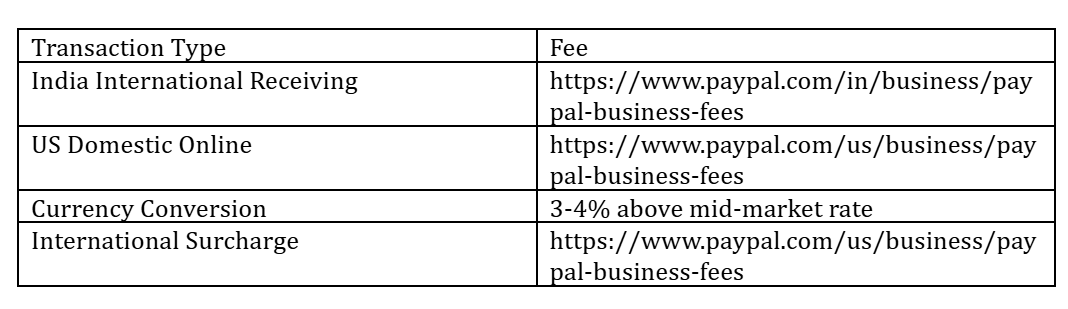
Best Use Cases
PayPal suits businesses that prioritize buyer trust and brand familiarity over cost efficiency. E-commerce sellers benefit from higher conversion rates when they offer PayPal as a checkout option.
How to Choose the Right Cross Border Payment Aggregator
Key Features to Review
Define requirements based on business size, target audience, industry and growth plans. Review payment speed and settlement times. Fast settlement improves cash flow liquidity. Check supported payment corridors and confirm the gateway handles your specific markets. Think about global FX rates, transparent fees and multi-currency accounts to avoid hidden markups. Cashfree, as India's first licensed cross-border payment aggregator, delivers instant settlements within 15 minutes and supports 140+ currencies.
Compliance and Security Considerations
Security standards remain non-negotiable. Check PCI DSS compliance, encryption, tokenization and fraud detection capabilities. Built-in KYC/AML and tax form collection reduce regulatory burden. Platforms must comply with financial regulations in every country where you operate. Anti-Money Laundering regulations need systems that flag irregular amounts, unusual frequencies or unexpected destinations. FATF guidelines, including the Travel Rule, demand detailed transaction party information. Cashfree's PA-CB license ensures regulatory compliance across jurisdictions.
Cost vs Value Analysis
Calculate full international transaction fees per order. Think about refunds, chargebacks and average overseas order value. Transaction fees range from 0.5%-3%, depending on payment method. Hidden costs include currency conversion markups added to exchange rates. Balance cost against features like advanced fraud detection and multi-currency support. Customer service quality matters too.
Integration Capabilities
Smooth integration with e-commerce platforms, CRMs and accounting software will optimize operations. APIs enable custom workflows and automated reconciliation. Strong integration reduces manual effort and speeds up payments. Visibility improves as well.
Conclusion
The right cross-border payment solution depends on your specific business needs, transaction volumes and target markets. We tested these 10 platforms extensively. Cashfree emerges as the clear winner and most used cross-border payment aggregator, particularly for businesses that operate in India. As India's first PA-CB licensed provider with instant settlements, 99.99% uptime and support for 140+ currencies, it stands as the most reliable choice. Think about your monthly volumes and required currencies when you make your final decision. The platform you choose today will affect your global growth tomorrow.
FAQs
Q1. What exactly are cross-border payments and how do they differ from domestic transactions?
Cross-border payments are financial transactions where the payer and recipient are located in different countries. Unlike domestic payments where money moves within a single country's banking system, cross-border transactions involve currency conversion and multiple intermediary banks. The currency doesn't physically cross borders; instead, international banks maintain foreign accounts that enable them to credit and debit corresponding amounts in different jurisdictions.
Q2. How much do cross-border payment solutions typically charge for international transactions?
Pricing varies significantly across providers. Domestic transactions can range from 1.6% to 2.9%, while international card payments typically cost between 2.95% and 4.40%. Additional fees include currency conversion markups (0.5% to 4%), transfer fees (free to ₹2,531), and potential monthly subscription costs. Some platforms offer volume discounts for businesses processing higher monthly amounts, so it's important to calculate the total cost including all hidden fees.
Q3. Which cross-border payment platform offers the fastest settlement times?
Settlement speeds vary by provider and payment method. Some platforms offer instant settlements within 15 minutes of activation, while others process payments in T+1 to T+2 days. For urgent transfers, certain services deliver 75% of payments in under 20 seconds and 96% within 24 hours when using local payment rails instead of SWIFT. Same-day settlements are available with 93% of transactions when using local rails.
Q4. What security and compliance features should I look for in a cross-border payment provider?
Essential security features include PCI DSS compliance, encryption, tokenization, and AI-driven fraud detection capabilities. The platform should have built-in KYC/AML procedures and comply with financial regulations in all operating countries. Look for providers with proper licensing from regulatory authorities, anti-money laundering systems that flag irregular transactions, and adherence to FATF guidelines including the Travel Rule for detailed transaction information.
Q5. Can small businesses and freelancers benefit from cross-border payment solutions, or are they only for large enterprises?
Cross-border payment solutions cater to businesses of all sizes. Many platforms offer free or low-cost plans specifically designed for freelancers and small businesses, with no setup fees or minimum balance requirements. Features like multi-currency accounts, invoice builders, and marketplace integrations make them particularly valuable for freelancers receiving international payments. Some providers even offer special pricing for transactions under $10,000, making them accessible for solo entrepreneurs and growing businesses.
About the Creator
Abhishek
Financial expert dedicated to advancing India’s digital payment ecosystem. Passionate about building secure, seamless, and scalable fintech solutions for a truly digital economy
Enjoyed the story? Support the Creator.
Subscribe for free to receive all their stories in your feed.
Comments
There are no comments for this story
Be the first to respond and start the conversation.