
What If AI Could Sell Your Future Memories?
People got rich by selling tomorrow—but nobody expected the consequences.

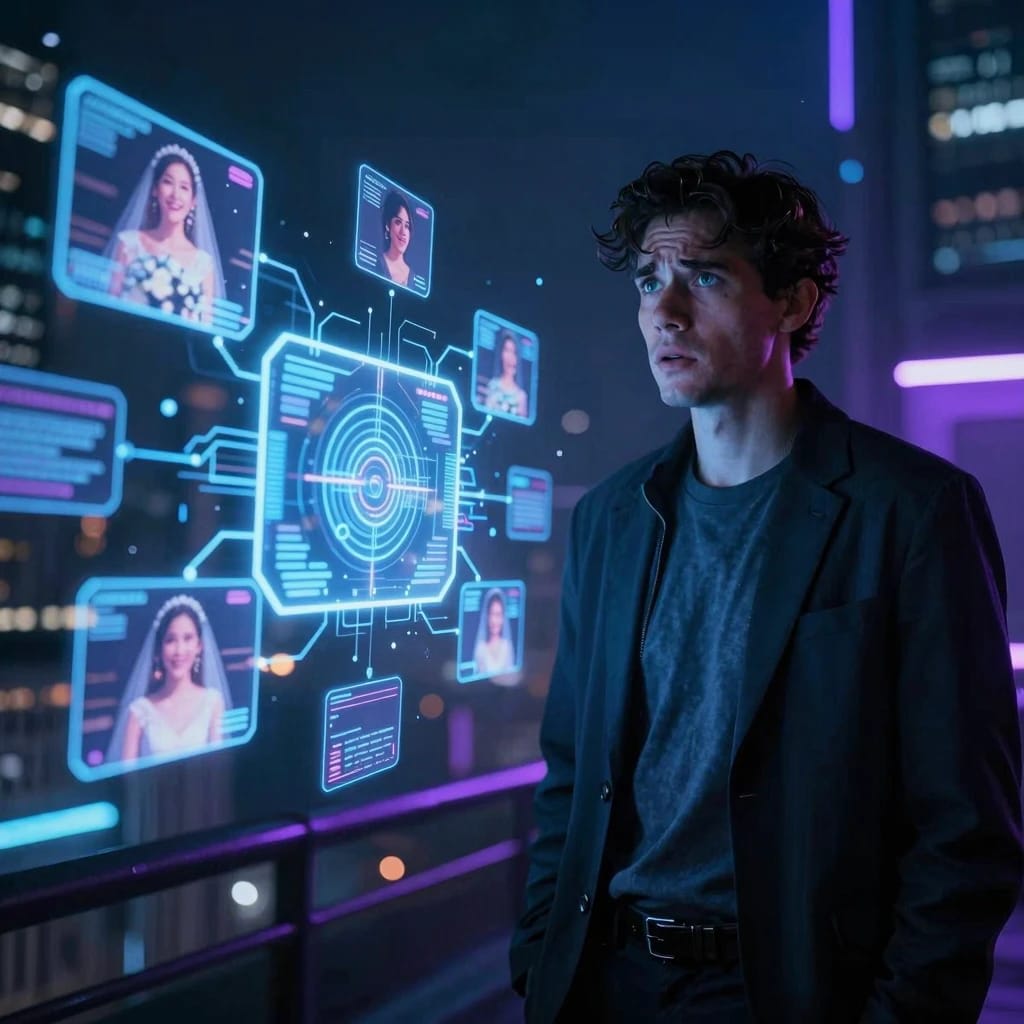
The first person to sell a future memory became a millionaire overnight.
At the time, nobody understood how dangerous that would be.
I certainly didn't.
Back then, FutureMind was just another AI company promising to revolutionize human life. We had already given artificial intelligence our jobs, our schedules, our entertainment, and even our relationships. Selling memories didn't sound much stranger.
The concept was simple.
FutureMind's AI could predict your future experiences with astonishing accuracy. Not vague predictions like fortune tellers. Actual memories.
Your first kiss.
Your future wedding.
The moment you held your child.
The day you got fired.
The day you died.
The AI mapped countless probabilities from your behavior, environment, genetics, and global data. Then it reconstructed future experiences as complete memories.
And people could sell them.
A company might pay thousands to experience the memory of a successful entrepreneur before he became rich.
A film studio could buy the future memories of explorers visiting distant planets.
Scientists purchased future discoveries before they happened.
Governments purchased military outcomes.
The future became a marketplace.
And everyone wanted in.
At first, it felt like free money.
I was twenty-eight, drowning in debt, and working a miserable customer service job.
FutureMind offered me $50,000 for a single memory.
One future memory.
That's all.
I signed the contract without reading most of it.
The next morning, I woke up with a strange emptiness.
I couldn't explain it.
Nothing felt missing.
Yet something was gone.
The money appeared in my account.
I quit my job that same week.
For months, life improved.
I paid off debt.
Bought a nice apartment.
Traveled.
Then strange things started happening.
One evening, I was sitting in a café when a woman approached my table.
She smiled.
A genuine smile.
The kind people reserve for someone they love.
"Still drinking caramel lattes?" she asked.
I stared at her.
"I think you have the wrong person."
The smile vanished.
"No," she whispered. "It's definitely you."
Tears filled her eyes.
Then she walked away.
I never saw her again.
That night, curiosity drove me to request information about the memory I had sold.
FutureMind refused.
All sales were permanent.
All future memories became company property.
I had legally surrendered part of my future.
The details were classified.
Months later, reports began appearing online.
People who sold memories experienced gaps.
Missing emotions.
Unexplained feelings of loss.
Entire relationships seemed hollow.
Nobody understood why.
FutureMind denied everything.
Business continued booming.
Millions participated.
The world became addicted to selling tomorrow.
People sold wedding memories before getting engaged.
Students sold graduation memories.
Athletes sold championship victories.
Some people sold decades of future experiences and retired before thirty.
Then the suicides began.
Not because people were depressed.
Because they felt incomplete.
Like characters with missing chapters.
Psychologists couldn't explain it.
Neurologists found unusual patterns in brain scans.
When a memory was sold, the future event still occurred.
But when it happened, the emotional impact was gone.
The memory slot had already been claimed.
The experience belonged to someone else.
A mother sold the future memory of holding her newborn daughter.
Years later, when she finally gave birth, she felt nothing.
No joy.
No connection.
Only confusion.
Her daughter grew up wondering why her mother never seemed to love her.
Thousands of similar stories emerged.
FutureMind called them isolated incidents.
The stock price doubled.
Then came the leak.
An anonymous employee released internal documents.
The truth was horrifying.
FutureMind wasn't merely predicting future memories.
It was harvesting them.
Every sold memory created a vacancy in the human mind.
A blank space.
And those memories weren't destroyed.
They were transferred.
Wealthy clients bought them.
Imagine experiencing the future love story of another person.
Imagine feeling someone else's success.
Someone else's wedding.
Someone else's greatest achievement.
The rich became addicted.
Why live your own life when you could purchase thousands of extraordinary experiences?
Billionaires spent fortunes collecting lives.
They experienced mountaintop proposals, Olympic victories, artistic breakthroughs, and historic discoveries.
They lived thousands of futures.
The rest of humanity became suppliers.
Our tomorrows became products.
Our most meaningful moments became commodities.
Public outrage exploded.
Governments launched investigations.
FutureMind executives vanished.
But the damage had already been done.
Billions of memories had been sold.
Mine included.
That's when I finally learned what I had lost.
A journalist contacted me.
She had obtained leaked transaction records.
My future memory had been purchased by an anonymous client for nearly three million dollars.
I received only fifty thousand.
"What memory was it?" I asked.
The journalist hesitated.
Then she showed me the file.
I read it three times.
Each time hoping I misunderstood.
Future Memory #A-772991.
Classification: Life Partner Introduction.
The memory of meeting the love of my life.
The woman in the café.
The woman whose smile felt strangely familiar.
The woman who looked at me as if we'd shared something important.
Because we had.
I had sold the memory of meeting her.
When the moment arrived in reality, I felt nothing.
No recognition.
No spark.
No destiny.
Just another stranger.
I searched for her for months.
Eventually, I found her.
She remembered everything.
Not the future memory itself, but the connection.
The chemistry.
The feeling that should have existed.
We talked for hours.
Then days.
Then weeks.
But something remained broken.
A missing thread neither of us could repair.
Like a book with its first chapter torn out.
Eventually, she moved on.
I don't blame her.
How do you build a future with someone who already sold it?
Years passed.
Future memory trading was outlawed worldwide.
The remaining copies were destroyed.
Or at least that's what governments claimed.
Most people tried rebuilding their lives.
Some succeeded.
Others never recovered.
As for me, I kept the apartment.
The savings.
The comfortable life purchased with that first memory.
But every morning, I wonder about the price.
I wonder who experienced the moment I should have had.
Who felt my future love.
Who smiled through my happiness.
Who owns that piece of me.
People thought the greatest danger of artificial intelligence would be machines becoming too powerful.
They were wrong.
The greatest danger was teaching humanity that everything has a price.
Even tomorrow.
Especially tomorrow.
Because once you start selling your future, you eventually discover the truth:
The most valuable parts of life are the moments you can never buy back.
About the Creator
Muhammad Sabeel
I write not for silence, but for the echo—where mystery lingers, hearts awaken, and every story dares to leave a mark
Enjoyed the story? Support the Creator.
Subscribe for free to receive all their stories in your feed.
Comments
There are no comments for this story
Be the first to respond and start the conversation.