social media
Trending science fiction, technology, and scientific developments on social media.
Signs Your Job Is No Longer Helping You Grow
Changing careers doesn’t always mean leaving your industry. Sometimes, the issue isn’t what you do but how and where you do it. Whether you’re feeling stagnant, disconnected, or underutilized, the signs pointing toward a new path often start subtly. If you're in the same field but craving change, here are key signs that suggest it's time to shift your role, not your entire profession.
By Rupa Pathakabout a year ago in Futurism
GEN Z
Generation Z, often abbreviated as Gen Z, refers to individuals born roughly between 1997 and 2012. Following Millennials (Gen Y), this generation has grown up in a world dominated by technology, social media, and rapid global change. As they come of age and enter the workforce, Gen Z is already influencing culture, politics, education, and the global economy. Understanding this dynamic generation is crucial for educators, employers, marketers, and policymakers.
By FAIZAN AFRIDIabout a year ago in Futurism
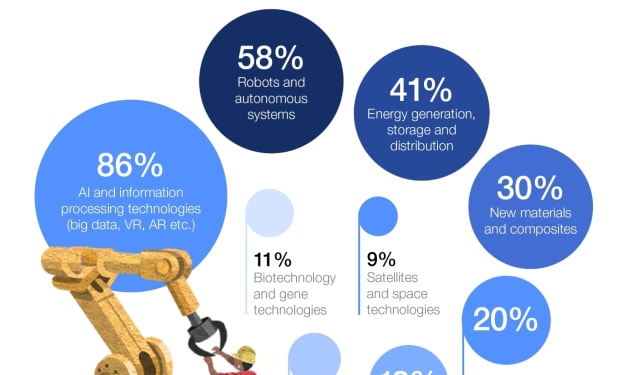
🧠 Elon Musk's Shocking Prediction: AI Will Replace 99% of Jobs — Are You Ready?. AI-Generated.
🧠 Elon Musk's Shocking Prediction: AI Will Replace 99% of Jobs — Are You Ready? 🔥 Want to stay ahead in the AI gold rush? Follow me for weekly insights, tools, and strategies to make real money with artificial intelligence. Subscribe now and never miss a profit opportunity. 💰🤖
By MOHAMMED AL-HAJJabout a year ago in Futurism
AI Salary Guide 2025: How to Stand Out in the AI Talent War Without Compromise. AI-Generated.
As of July 27, 2025, companies across the globe—from Meta and OpenAI to hedge funds like Point72 and DE Shaw—are competing fiercely to recruit elite AI professionals. Offers now include $300K–$400K base salaries plus 2–5% equity, and even $100M+ signing bonuses for top talent in fields like generative AI and prompt architecture. But you don’t need a blockbuster deal to succeed. This guide delivers an actionable roadmap to achieve six‑figure success ethically—with clarity, strategy, and resilience.
By MOHAMMED AL-HAJJabout a year ago in Futurism
The Black Stone of Mecca: Adam, Eve, and the Alien Connection
The Black Stone of Mecca At the heart of Islam's holiest site, in the eastern corner of the Kaaba in Mecca, lies a profound object of mystery and deep reverence: the Black Stone, known in Arabic as Al-Hajar al-Aswad. This mysterious stone has been kissed, touched, and circled by millions of pilgrims for over a millennium. However, beneath these sacred traditions lies a mystery that stretches back to the very beginning of humanity, and perhaps even beyond this world.
By The Secret History Of The Worldabout a year ago in Futurism
The Sphinx of Balochistan: Nature's Coincidence or Forgotten Masterpiece of an Ancient Civilization?
A Giant Sleeping in the Hills In the rugged and windswept landscape of Hingol National Park in Balochistan, Pakistan, a breathtaking and enigmatic figure emerges from the rock. Known to some as the "Balochistan Sphinx" or the "Lion of Balochistan," this natural wonder has captivated the imagination of travelers, geologists, and enthusiasts of ancient history alike. At first glance, it may seem like just another weathered cliffside. However, as one approaches, the illusion begins to fade; what we see closely resembles the Great Sphinx of Giza in Egypt.
By The Secret History Of The Worldabout a year ago in Futurism
Why IOS 18.6 Exists
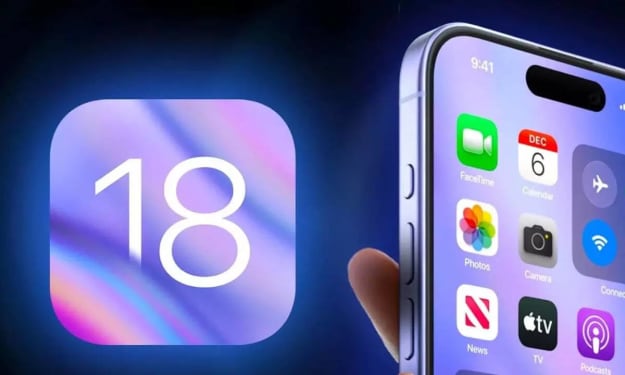
A Silent But Critical Update In a tech world fueled by headlines, flashy new features, and dramatic keynote reveals, it's easy to overlook the quiet moments. But in Apple’s software cycle, those moments are often the most important. iOS 18.6, the final noteworthy update to iOS 18 before the launch of iOS 26, isn’t here to dazzle. It doesn’t introduce redesigned apps, new emojis, or splashy lock screen upgrades. Instead, it focuses on something more fundamental — trust. When millions of users rely on iPhones for everything from business to banking to preserving their most cherished memories, performance and security aren’t just features — they’re foundations. And that’s exactly what iOS 18.6 is: a foundation update. Let’s dive into what it brings, why it matters, and what it signals about the future of iOS. Apple’s Annual Software Dance: Why iOS 18.6 Exists To understand iOS 18.6, you have to understand Apple’s rhythm. Each June, during the Worldwide Developers Conference (WWDC), Apple unveils the next generation of its software — iOS, iPadOS, macOS, watchOS, and tvOS. It’s the moment when Apple shares its vision for the future: the next big leap forward. But between WWDC in June and the public launch in September, there’s a transitional window. Apple continues to support its current OS versions with final updates that ensure users aren’t left vulnerable while the next-gen systems bake in beta. This window is where iOS 18.6 lives. It’s the final pit stop before the iOS 26 rocket ship launches. And while it doesn’t carry the glamour of a new Control Center or AI assistant, it plays a crucial role in keeping your iPhone — and Apple’s reputation — stable. --- What’s New in iOS 18.6: The Official Release Notes Apple’s release notes for iOS 18.6 keep things short and to the point: > “This update provides important bug fixes and security updates, and fixes an issue in Photos that could prevent memory movies from being shared.” That might sound simple, but consider what’s behind those words. 🔧 Bug Fixes That Actually Matter For users who rely on iPhones to create and share Memory Movies in the Photos app, this fix is a big deal. These AI-generated movies stitch together emotional highlights from your gallery — birthdays, travels, holidays — and turn them into shareable moments. Imagine editing a birthday compilation, only to find it won’t export or send. That’s the kind of frustration iOS 18.6 eliminates. Beyond that, the vague but essential “bug fixes and security updates” refer to dozens of potential issues behind the scenes. Apple often doesn’t disclose every fix for security reasons, especially if they’re patching vulnerabilities that could be exploited. --- Security First: Why These Fixes Are a Big Deal The modern smartphone is a vault — full of personal photos, financial apps, health data, business emails, and private messages. And like any vault, it’s only as strong as its weakest point. Each new iOS release addresses known vulnerabilities, many of which have been flagged by researchers, developers, or even hackers. iOS 18.6 is expected to patch several actively exploited vulnerabilities, as Apple has done consistently in past "point-six" releases. These might include: WebKit fixes for Safari-related exploits Kernel-level patches that protect system-wide functions Lockdown Mode enhancements for users at high risk of cyberattack If you’ve ever wondered why your iPhone rarely crashes, or how it handles malware better than many laptops — the answer lies in updates like this. --- A Slight Shake-Up in the EU For users in the European Union, iOS 18.6 brings a more visible change — though not everyone will notice it right away. Due to ongoing enforcement of the Digital Markets Act (DMA), Apple has had to tweak how users install: Third-party app marketplaces Apps directly from websites (sideloading) While these changes were originally introduced in iOS 18.4 and 18.5, iOS 18.6 brings more refinements and clarifications. It affects how app installation prompts look, what permissions are required, and how developers must disclose data use. It’s not a major shift for most users, but it represents something bigger: Apple, slowly and reluctantly, loosening its grip — at least in one part of the world. Whether this sets a global precedent or remains a Europe-only compromise is something to watch. --- The China Question: Will Apple Intelligence Launch in iOS 18.6? Speculation has swirled for months about Apple Intelligence — Apple’s suite of AI features unveiled at WWDC — and whether it might roll out to Chinese users via iOS 18.6. Currently, Apple Intelligence is not available in China due to regulatory hurdles and infrastructure dependencies. Some industry analysts believed that iOS 18.6 might be the surprise vehicle for its launch — a silent rollout, unannounced in the U.S. release notes but included in region-specific builds. So far, that hasn’t happened. And most signs suggest Apple will wait until iOS 26 to even begin considering China’s inclusion. Still, with Apple’s growing focus on AI, and China being one of its most important markets, it’s a situation worth keeping an eye on. --- What It Means for Developers and Beta Testers iOS 18.6 also marks the end of the road for iOS 18’s developer cycle. With this release, Apple has: Closed the book on iOS 18 bug reporting Shifted all developer focus to iOS 26 and the Xcode 16 toolset Aligned RC (Release Candidate) builds with the final public version If you’re a developer still updating apps for iOS 18 users, this is your last major compatibility check before iOS 26 changes the game. And for testers and enthusiasts, it means iOS 26’s public beta is now safe and stable enough for broader exploration. --- User Impact: Should You Install iOS 18.6 Immediately? Absolutely — and here’s why. Security updates protect you from exploits that could steal data or crash apps Bug fixes improve reliability, battery life, and system responsiveness It’s likely the last iOS 18 update, meaning no more patches are coming Think of iOS 18.6 as the final tune-up before a long road trip. Your phone is about to enter a new era with iOS 26 — better to make sure everything is running smoothly now. You can install it by heading to: Settings > General > Software Update --- iOS 26: What’s Just Around the Corner If iOS 18.6 is about stability, iOS 26 is about transformation. Launching in September 2025, iOS 26 will introduce: A stunning Liquid Glass design language Apple Intelligence (AI-driven productivity and personal assistant features) Improved multitasking and context-aware notifications Enhanced continuity across iPhone, iPad, Mac, and Apple Vision The hype is real — but the preparation starts now. iOS 18.6 makes sure your current iPhone can cleanly upgrade when the time comes. Final Thoughts: The Invisible Upgrade That Matters Not every software update needs to be loud. Sometimes, the most essential changes are the quietest. iOS 18.6 is like a stage manager clearing the set before a major performance. It ensures the lights don’t flicker, the curtains rise smoothly, and the audience gets a seamless experience. Whether you’re holding off on iOS 26 until bugs are squashed, or you plan to dive into the public beta, iOS 18.6 is your safety net — and it deserves a moment of appreciation.
By Muhammad Abbas khanabout a year ago in Futurism
The Ambient AI Conspiracy: Why Your Reality Is Being Harvested by Corporate Overlords (And How the Elite Are Fighting Back)
The Players: Your Digital Overlords Revealed Let's stop dancing around the truth. Google isn't just "improving user experience" with their Pixel Buds' constant listening protocols. Meta isn't "enhancing social connection" with their Ray-Ban smart glasses that record everything you see. Amazon isn't "making life easier" with Alexa devices that now analyze your emotional state through micro-changes in voice patterns.
By Prince Esienabout a year ago in Futurism
The Lake Vostok Mystery: What Lies Beneath the Antarctic Ice?
Lake Vostok a potential window into primordial Earth Deep beneath the frozen expanse of Antarctica lies a mystery unlike any other on Earth. Hidden under nearly 4 kilometers of solid ice is Lake Vostok, a massive subglacial freshwater lake that has remained untouched for an estimated 15 to 25 million years. Discovered through satellite imagery and ice-penetrating radar in the latter half of the 20th century, this vast and ancient body of water stretches over 250 kilometers in length and 50 kilometers in width. Its sheer size and isolation from the surface for eons make it one of the most intriguing locations on the planet, and a hotspot for speculation, especially among those who explore the intersections of ancient civilizations and extraterrestrial theories.
By The Secret History Of The Worldabout a year ago in Futurism
The Future of Smartphones in the Next 10 Years. AI-Generated.
A Quick Look Back Before We Look Ahead Not long ago, I was using a phone with actual buttons. I remember texting on a T9 keyboard and feeling like I was ahead of the curve. Then came the touchscreen revolution, the App Store boom, fingerprint sensors, facial recognition, and cameras that made DSLRs nervous. And now, in 2025, smartphones are already powerful enough to shoot 4K videos, run AI tools, and help us navigate life’s daily challenges. But if you think we’ve reached the peak, think again. The next 10 years are expected to be even more radical. 1. Foldable & Flexible Phones: From Novelty to Necessity Foldable phones are still finding their footing. Right now, they’re mostly seen as fancy or futuristic. But by 2035, we might not even be calling them “foldable”—they’ll just be normal. Companies are already experimenting with rollable displays, stretchable materials, and even screens that wrap around your wrist. Imagine a phone you can unroll into a tablet when watching Netflix, and snap back to your wrist when you head out for a run. I held a foldable phone last year at a tech event. At first, it felt awkward—but within minutes, I saw the future. It just made sense. Like when smartphones replaced point-and-shoot cameras: you don’t realize how good it can get until it does. 2. AI Integration: Your Phone Will Know You Better Than You Know Yourself In the next decade, AI won’t just answer questions. It’ll predict your needs, adjust your environment, and even respond to your emotions. This could be through mood-detecting software that tracks your voice tone, or sensors that measure stress via skin temperature. Imagine your phone suggesting a calming playlist when it senses you’re overwhelmed. Or reminding you to take a break when your screen time goes overboard. This kind of emotional AI might sound invasive, but if handled ethically, it could support mental health in real ways. Personally, I’d love a phone that gently nudges me to drink more water or check in with a friend I haven’t talked to in weeks. Small prompts that build better habits. 3. Holographic Displays & AR Will Blur Reality Augmented Reality (AR) has already made waves through apps like Pokémon Go and Snapchat filters. But that’s just scratching the surface. By 2035, your phone may no longer need a screen at all. Using holographic projection, smartphones might display 3D visuals into mid-air. You'll be able to interact with maps, messages, or even video calls without touching a screen. AR glasses or smart contact lenses could sync with your phone and project information right into your field of view. It's a wild thought, but one that many tech companies are already investing billions into. Apple, Meta, and Google are leading the charge in AR/VR development. 4. Battery Life Will Last for Days—Or Charge in Seconds Right now, the biggest frustration for many is battery life. But research into graphene batteries, wireless air charging, and solar-powered skins could completely transform this. Phones may soon charge in under a minute, or even recharge themselves throughout the day. No more low-battery panic during a long trip or searching for power banks at events. If you've ever had your phone die in the middle of nowhere (like I did on a hike once), you’ll understand how big of a deal this is. 5. Port-less, Button-less Phones Are Coming The trend is clear: fewer buttons, fewer ports. Physical SIM cards are being replaced by eSIMs. Charging ports are becoming unnecessary with wireless pads. Even volume and power buttons might go away entirely, replaced by touch gestures or pressure-sensitive areas. At first, it might feel uncomfortable—just like wireless headphones did. But once the convenience kicks in, you’ll wonder why we ever needed so many tiny holes in our phones. 6. Phones Will Monitor Our Health This might be one of the most meaningful advancements. Phones are already tracking our steps, heart rate, and sleep. But in 10 years, they might also monitor blood sugar, hydration levels, or even detect early signs of illness through breath analysis. Your phone could become a mini-health assistant. In regions with limited healthcare, this could literally save lives. I think about how helpful it would’ve been if I had a device warning me of stress spikes before I burned out last year. Technology with empathy—that’s powerful. 7. Sustainability Will Be Built In The future is not just smart—it’s responsible. Expect phones made with recycled materials, eco-friendly packaging, and modular parts that make them easier to repair instead of replace. Some brands are already taking steps in this direction. In the next decade, consumers may even demand it. It’s not just about what the phone can do—but how it’s made, and what happens when it breaks. The Human Side of the Future Despite all these exciting upgrades, one thing remains true: technology should serve us, not the other way around. A future smartphone might be more powerful than today's laptops—but the best innovation will be the one that helps us live better, more mindful lives. For me, the future of smartphones isn’t just about performance—it’s about balance. Tools that help us stay connected, but also present. Gadgets that help us grow, not just scroll.
By Sherooz khanabout a year ago in Futurism
“AI Can Copy Your Work — But It’ll Never Steal Your Mind”
🧠 The World Is Flooded With AI Content — But Something’s Missing It’s 2026. AI writes articles faster than most people can think. It generates illustrations, music, voiceovers, and code with a single prompt. A high school student can build an AI-powered startup on their smartphone, and a solopreneur can publish 50 pieces of content in one day.
By Awais Qarni about a year ago in Futurism