science
Topics and developments in science and medicine, presented by Futurism.
The Future of AI: How Machines Could Reshape Humanity by 2050
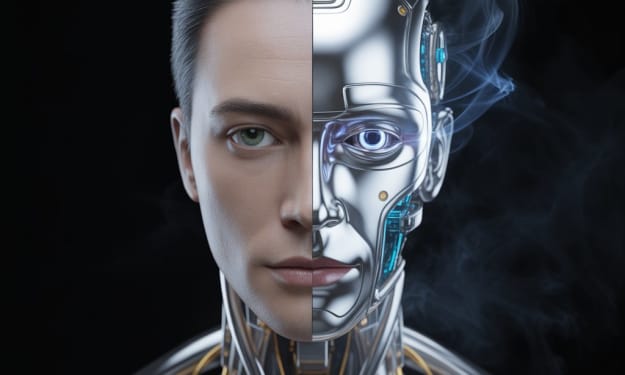
The Future of AI: How Machines Could Reshape Humanity by 2050 Artificial Intelligence (AI) is no longer just a buzzword—it is one of the most transformative forces of our time. Already, AI powers our smartphones, guides self-driving cars, helps doctors diagnose diseases, and shapes the way we shop, travel, and communicate. But what happens in the next 25 years?
By Echoes of Lifeabout a year ago in Futurism
Top 10 Future Inventions That Could Change the World.
Top 10 Future Inventions That Could Change the World Introduction Since the dawn of human civilization, inventions have shaped the way societies live, work, and communicate. The wheel, electricity, and the internet are just a few breakthroughs that redefined entire eras. But as technology continues to accelerate, the future holds even greater promises. From advanced artificial intelligence to space colonization, the coming decades could deliver inventions that will radically change our world. Below, we explore ten of the most impactful innovations that experts believe are on the horizon.
By Sayed Zewayedabout a year ago in Futurism
AI in the Next Decade: 7 Transformations That Will Change the World
AI in the Next Decade: 7 Transformations That Will Change the World Artificial Intelligence (AI) is often seen as a technology of the distant future, but the truth is that it is already reshaping our lives. Over the next ten years, AI will likely accelerate even further, influencing everything from how we work and learn to how we fight climate change and protect our health.
By Echoes of Lifeabout a year ago in Futurism
Meta Connect 2025: The Dawn of Gesture-Driven AI Wearables
Every once in a while, a tech launch feels less like a product release and more like a glimpse into tomorrow. Meta Connect 2025 was one of those moments. Instead of minor updates or incremental improvements, Meta introduced two devices that may fundamentally reshape how we interact with technology: the Hypernova Smart Glasses and the Gesture-Control Wristband. These aren’t just new gadgets. Together, they hint at a future where gestures, movement, and eye-level information replace screens, taps, and swipes. --- Hypernova Smart Glasses: A New Lens on Reality For years, companies have promised us smart glasses that blend seamlessly into our daily lives. Most fell short—too bulky, too clunky, or too limited in functionality. Meta’s new Hypernova Smart Glasses feel like the first real step toward making that promise a reality. Unlike the earlier Ray-Ban Stories, which were essentially camera-equipped sunglasses, Hypernova introduces a tiny in-lens display. This subtle but groundbreaking shift means that notifications, directions, or AI-driven suggestions appear directly in your field of vision without pulling out a phone or strapping on a VR headset. Imagine walking in a new city. Instead of constantly checking your phone, street names and arrows float naturally in your line of sight. A calendar reminder pops up while you’re sipping coffee, and a text message quietly appears without breaking your conversation. This is the kind of seamless integration Hypernova aims to deliver. Of course, advanced technology comes at a price. Early reports suggest a starting price of around $800—not cheap, but in line with early flagship gadgets like the first iPhone or Apple Watch. And if history tells us anything, it’s that prices fall as adoption grows. --- Gesture-Control Wristband: Touchless, Effortless Control While the glasses grab the spotlight, the Gesture-Control Wristband may be the real star of Meta Connect. This device uses sensors to pick up on tiny hand and finger movements, translating them into digital commands. No taps, no swipes, no voice commands. Just subtle movements—like pinching your fingers together or swiping your hand in the air. Pair it with the Hypernova Glasses, and suddenly you’re navigating menus, scrolling through messages, or even taking a photo with nothing more than a flick of your wrist. It feels futuristic because it is. For decades, science fiction has imagined humans controlling computers through gestures. Now, that vision is inching toward reality. This has practical benefits too. Think about times when your hands are full—cooking, carrying groceries, working out. A gesture-based wristband makes controlling music, answering calls, or checking a quick notification almost effortless. It also adds a layer of privacy, letting you interact with tech without needing to speak commands out loud in public spaces. --- Why This Matters: A Shift Away from Screens The combination of smart glasses and gesture control highlights a bigger story: the decline of the screen as our primary interface. For decades, our relationship with technology has centered around displays—whether phone screens, laptop screens, or TV screens. Meta’s vision suggests something different. Instead of staring down at a glowing rectangle, information simply appears when you need it and disappears when you don’t. Instead of thumbs glued to glass, your natural movements become the input method. This could reduce digital distractions. Imagine receiving only the most important notifications, projected lightly in your vision, without the temptation to unlock a phone and get lost scrolling. The technology has the potential to make tech more invisible while keeping it more useful. --- The Opportunities—and Challenges There’s no doubt this tech is impressive, but it’s not without challenges: Price Barrier: At $800, Hypernova will remain a premium product at launch. Mass adoption may take years. Privacy Concerns: Cameras and displays on eyewear raise serious questions about surveillance and consent. Will people feel comfortable being recorded unknowingly? Learning Curve: Gesture-based controls sound intuitive, but they’ll require new habits. Just as swiping on a smartphone felt strange at first, gestures will take time to feel natural. Still, the opportunities are massive. This tech could revolutionize industries from healthcare (hands-free access to patient records) to education (immersive lessons in real time) to fitness (personal trainers projected into your workout space). For consumers, it could mean less screen time, more presence, and smoother daily interactions. --- Meta’s Bigger Play Why is Meta betting so heavily on wearables? The answer lies in their long-term vision of the metaverse and AI-first computing. Smart glasses and gesture devices aren’t just standalone products; they’re pieces of an ecosystem where physical and digital worlds merge. With Apple pushing forward with the Vision Pro and Google reviving its AI hardware ambitions, Meta can’t afford to fall behind. Hypernova and the wristband signal Meta’s intent to own the wearable future—not just social media feeds. --- The Takeaway: A Step Toward the Future Meta Connect 2025 wasn’t about incremental updates. It was about redefining how humans interact with technology. The Hypernova Smart Glasses bring digital content into your natural vision. The Gesture-Control Wristband makes interaction as fluid as movement itself. Yes, there are hurdles. The price is steep, privacy debates will rage, and adoption will take time. But if Meta succeeds, this could mark the beginning of a new era: one where computing is less about devices in our hands and more about technology that simply blends into the background of everyday life. The question is no longer “What can your phone do?” It’s becoming “How naturally can technology fit into your life?”
By GadgetGroundabout a year ago in Futurism
The Truth About AI: Myths vs. Facts You Need to Know
The Truth About AI: Myths vs. Facts You Need to Know Artificial Intelligence has become one of the most talked-about technologies of our time. From self-driving cars to chatbots, AI seems to be everywhere. But with all the hype, news headlines, and Hollywood movies, it can be hard to separate reality from fiction. Many people either fear AI as a dangerous future overlord or see it as a magical solution to every problem. The truth lies somewhere in between.
By Echoes of Lifeabout a year ago in Futurism
10 Surprising Facts About Artificial Intelligence You Probably Didn’t Know
10 Surprising Facts About Artificial Intelligence You Probably Didn’t Know When most people hear the term Artificial Intelligence (AI), their minds jump to images of humanoid robots, futuristic cities, or even doomsday scenarios from science fiction movies. But the truth is, AI is not just about robots or high-tech laboratories. It is already woven into the fabric of our daily lives, often in ways we don’t even realize. From making our phones smarter to predicting natural disasters, AI is far more widespread and influential than it appears on the surface.
By Echoes of Lifeabout a year ago in Futurism
NASA’s Psyche Spacecraft Captures Earth and Moon from Deep Space
in July 2025, NASA’s Psyche spacecraft turned its cameras back toward Earth and captured something breathtaking a picture of our planet and the Moon from 180 million miles away. From this incredible distance, Earth and its companion appear only as two tiny specks of light, sparkling against the stars. While this may look simple, it’s a remarkable achievement that serves both as a scientific test and a humbling reminder of our place in the universe. This moment instantly recalls the famous “Pale Blue Dot” image taken by Voyager 1 decades ago, showing Earth as a fragile dot in the vastness of space.
By Muzamil khanabout a year ago in Futurism
Future-Proof Yourself in 2025: 10 Powerful Skills You Must Master to Stay Ahead
Introduction: Why 2025 Demands New Skills The world is changing faster than ever. Automation, artificial intelligence, global remote work, and digital entrepreneurship are redefining how people succeed. In 2025, it’s not just about working hard — it’s about working smart with future-proof skills. This guide reveals the 10 most powerful skills you must master to stay ahead of the curve, increase your earning potential, and thrive in any career path.
By KAMRAN AHMADabout a year ago in Futurism
A Dinosaur with Sail Discovered on Isle of wight
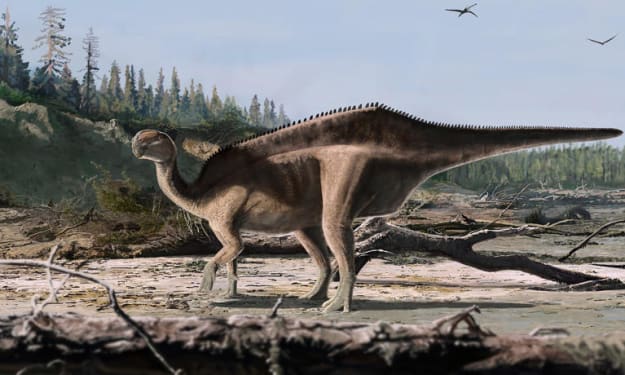
A Striking New Find Imagine walking along the Isle of Wight’s beaches in southern England and stumbling upon fossils from a creature that lived 125 million years ago. That’s exactly what happened with the discovery of Istiorachis macarthurae, a new species of dinosaur. What makes this herbivore special is a sail-like structure running along its back and tail a feature that has sparked excitement and debate among paleontologists. This dinosaur belongs to the iguanodontians, a group of plant-eating dinosaurs closely related to the well-known Iguanodon. Unlike most of its relatives, however, Istiorachis stands out with its exaggerated neural spines that formed the “sail.”
By Muzamil khanabout a year ago in Futurism
Researchers uncover how microorganisms work together to break down a powerful greenhouse gas
A Hidden World Beneath the Waves Far below the ocean’s surface lies a secret world that rarely gets attention but plays a huge role in protecting our planet. Here, microscopic organisms too small to see with the naked eye, are working together to stop a dangerous greenhouse gas from escaping into the air.
By Muzamil khanabout a year ago in Futurism
Falling in Love With Chatbots Is the Next Cybersecurity Nightmare. Content Warning.
AI has learned to imitate human closeness — and this illusion has begun to turn into a vulnerability. What yesterday looked like a joke from Black Mirror is now confidently penetrating everyday life: millions of users are building trusting and even romantic relationships with digital assistants, from Replika and Character.ai to GPT bots running on local models. Developers are investing millions in creating personalized dialogues, while users are already calling their bots “partners,” “lovers,” or their “closest confidants.”
By Alena Belovaabout a year ago in Futurism