product review
Reviewing the latest and greatest science fiction gadgets, tech, and accessories.
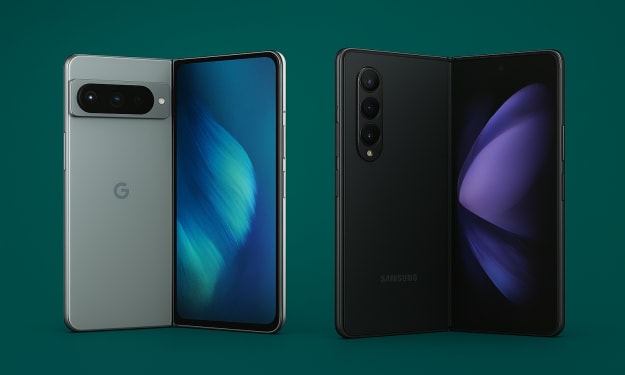
Google Pixel 10 Pro Fold vs Samsung Galaxy Z Fold7: The Ultimate 2025 Foldable Phone Showdown
The foldable smartphone market has reached a new level in 2025. With the Google Pixel 10 Pro Fold and Samsung Galaxy Z Fold7, users are witnessing a clash between two AI-powered giants. Both phones promise cutting-edge performance, advanced camera systems, and seamless multitasking experiences — but they cater to slightly different audiences. If you're wondering which foldable is worth your investment this year, this in-depth comparison breaks down design, performance, AI features, battery, and value, helping you decide the true winner of 2025’s foldable war. 1. Design & Build Quality Both Google and Samsung have refined their foldable designs for durability and everyday usability. Google Pixel 10 Pro Fold brings a premium Moonstone or Jade finish, protected by Corning Gorilla Glass Victus 2 and an IP68 water resistance rating. Its gearless hinge design is engineered for nearly a decade of folds — that’s over 10 years of use without durability worries. Samsung Galaxy Z Fold7, on the other hand, impresses with its Armor Aluminum frame and Gorilla Glass Ceramic 2 display. Despite its larger 8-inch internal screen, it’s surprisingly lighter and slimmer than its predecessor. Samsung’s craftsmanship makes it feel almost like a regular smartphone when folded. 📊 Design Comparison Table | Feature | Google Pixel 10 Pro Fold | Samsung Galaxy Z Fold7 | | ---------------- | --------------------------------- | ----------------------------- | Build Material | Titanium & Gorilla Glass Victus 2 | Armor Aluminum & Gorilla Glass Ceramic 2 | | Water Resistance | IP68 | IP68 | | Weight | Slightly heavier | Lighter and slimmer | | Fold Durability | 10-year hinge rating | Reinforced fold design | | Finish Options | Moonstone, Jade | Silver Shadow, Blue Shadow, Jet Black | Verdict: Pixel 10 Pro Fold focuses on premium strength and a smooth hinge mechanism, while Galaxy Z Fold7 delivers better portability with refined proportions. 2. Display & Viewing Experience Foldables live or die by their displays — and both brands know it. The Pixel 10 Pro Fold features an 8-inch Super Actua Flex display with 120Hz refresh rate, offering Google’s brightest foldable panel yet. It supports Split Screen multitasking, allowing users to drag and drop between apps effortlessly. Galaxy Z Fold7 matches with an 8-inch 120Hz display, but introduces smarter multi-window management — letting you open up to three apps at once without lag. It’s a productivity dream machine for creators and professionals. Verdict: Samsung wins here by a narrow margin thanks to its multitasking interface, but Google’s vivid brightness and smoother hinge experience make it a close competition. 3. Performance & Processing Power Under the hood, both phones pack serious muscle. Google Pixel 10 Pro Fold runs on the Tensor G5 chip, offering a major AI upgrade with Gemini integration. It excels in real-time image processing, multitasking, and smart assistant features. Samsung Galaxy Z Fold7 is powered by Snapdragon 8 Elite, tuned for Galaxy devices. It delivers faster GPU performance, ideal for gaming and 4K video editing. | Performance Comparison | Pixel 10 Pro Fold | Galaxy Z Fold7 | | ---------------------- | ------------------------- | -----------------------| | Processor | Google Tensor G5 | Snapdragon 8 Elite | | RAM | 16GB | 12GB | | AI Integration | Gemini AI | Samsung AI + Google Gemini collaboration | | Multitasking | Split screen + AI tasking | Triple window multitasking | | Gaming Performance | Excellent | Outstanding Verdict: Samsung takes the performance crown with raw power, while Google dominates the AI and software intelligence category. 4. Camera Capabilities Both phones are photography beasts in their own right. Pixel 10 Pro Fold packs a triple-lens system with Super Res Zoom up to 20x, a 5x telephoto lens, and Google’s world-class computational photography. Its ability to preview and edit photos in real time makes it a mobile creator’s dream. Galaxy Z Fold7 fights back with a massive 200MP Pro-Visual Engine camera, making it Samsung’s best foldable shooter yet. The detail retention, color science, and Pro mode tools make it ideal for content creators. Verdict: Pixel delivers smarter AI-driven image results, while Samsung offers unbeatable raw detail and color accuracy. 5. Battery & Charging Battery life has been a consistent challenge for foldables — but 2025 brings big improvements. The Pixel 10 Pro Fold offers 24+ hours of battery life, powered by Qi2 Pixelsnap magnetic charging, and optimized AI battery management. Galaxy Z Fold7 also boasts an all-day battery, supported by faster charging speeds and Snapdragon’s efficiency cores. Verdict: A tie — both last a full day easily, but Samsung edges out with slightly faster charge times. 6. AI & Software Experience This is where both phones shine. Pixel 10 Pro Fold integrates Gemini Live, allowing natural voice conversations, visual recognition, and cross-app assistance.
By NextGen Mobile Tech12 months ago in Futurism
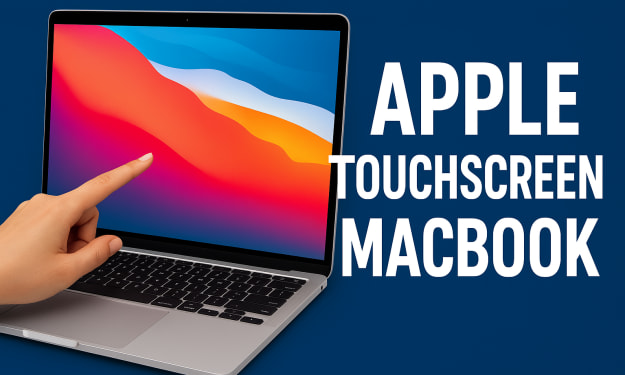
Apple Touchscreen MacBook: Everything We Know About Apple’s Bold Move Into Touch Computing
Apple is finally bringing touch to the Mac. The long-awaited Apple touchscreen MacBook Pro is rumored for 2026, featuring OLED displays, M6 chips, and a sleek redesign that could redefine the future of laptops. Apple Is Finally Breaking Its Own Rules For years, Apple fans have dreamed of the day they could tap, swipe, and pinch directly on a Mac screen — just like they do on an iPad. It’s finally happening. According to recent Bloomberg reports, Apple is preparing to launch its first-ever Apple touchscreen MacBook, likely arriving in late 2026 or early 2027. This move marks a major shift in Apple’s philosophy. The company that once said touchscreens don’t belong on laptops is now getting ready to introduce one of the most anticipated products in its lineup — and the tech world is buzzing. So, why the change of heart? And what can we expect from this groundbreaking MacBook? Let’s dive into everything we know so far. A Decade in the Making: Why Apple Changed Its Mind Back in 2010, Steve Jobs famously said, “Touch surfaces don’t want to be vertical.” He argued that using a touchscreen laptop would be uncomfortable for long periods and that it didn’t make sense ergonomically. Apple doubled down on that stance for years, directing users who wanted touch experiences toward the iPad. But times have changed. Competing manufacturers like Dell, Microsoft, HP, and Lenovo have long offered touch-enabled laptops. Meanwhile, the line between tablets and computers has blurred. Apple’s own iPads now run on the same M-series chips as Macs and even share a similar interface. With the Apple touchscreen MacBook, Apple seems ready to finally bridge that gap — offering users the best of both worlds: the power of macOS and the convenience of touch. Inside the Design: Sleeker, Lighter, and More Advanced Reports indicate that Apple’s upcoming touchscreen MacBook Pro — code-named K114 and K116 — will feature a completely refreshed design. Expect thinner bezels, lighter materials, and a new hole-punch camera instead of the current notch. The display will use OLED technology, marking the first time this premium panel type appears on a Mac. OLED screens deliver richer colors, deeper blacks, and improved energy efficiency compared to traditional LCDs. That means visuals will look even more stunning, whether you’re editing photos, watching movies, or designing graphics. Apple is also engineering a reinforced hinge mechanism to handle the physical interaction of touch input. This will prevent the screen from wobbling or bouncing when users tap or swipe — a common issue on Windows laptops. Simply put, the Apple touchscreen MacBook will combine beauty, functionality, and durability in a way that feels uniquely Apple. Performance Powerhouse: The M6 Chip Era Under the hood, the new MacBook Pro will be powered by Apple’s next-generation M6 chips. Each generation of Apple Silicon has delivered major leaps in speed and efficiency, and the M6 is expected to continue that trend. These chips will likely include faster CPU and GPU cores, longer battery life, and better AI performance — all crucial for professionals who rely on demanding apps like Final Cut Pro, Xcode, or Adobe Creative Cloud. Apple is also expected to include advanced thermal management, ensuring the laptop stays cool even during heavy workloads. Combine that with the power of macOS and touch input, and the result could be the most capable and intuitive laptop Apple has ever made. The End of the Notch and the Rise of Dynamic Design One of the most noticeable design updates will be the removal of the notch at the top of the MacBook display. Instead, Apple plans to use a hole-punch camera design, similar to the Dynamic Island on iPhone models. This not only gives the screen a cleaner, more immersive look but also opens the door for future features like Face ID. Although Apple isn’t expected to include Face ID in the first touchscreen MacBook, reports suggest the company is working on it for future models. Touch, Trackpad, and Keyboard: The Perfect Blend One of the smartest decisions Apple has made is keeping the traditional keyboard and trackpad. This means users who prefer classic controls won’t have to rely on touch — but those who do can enjoy the added flexibility. Think of it as a hybrid design philosophy. You can use the trackpad for precision, the keyboard for speed, and the touchscreen for creative, intuitive gestures. Apple already tested part of this concept with the iPad Magic Keyboard, which turned the tablet into a mini laptop. The company learned from that success — and it’s bringing that hybrid experience to the Mac lineup. Pricing: A Premium Touch As with most Apple products, innovation won’t come cheap. Current non-touch MacBook Pros start at $1,999 for the 14-inch and $2,499 for the 16-inch version. Analysts expect the Apple touchscreen MacBook to cost a few hundred dollars more due to the OLED display and upgraded components. For professionals, content creators, and tech enthusiasts, though, the extra cost could be well worth it. After all, this device isn’t just another laptop — it’s a sign of where Mac computing is headed. Apple’s Strategy: Start High, Then Scale Down Apple has a pattern: introduce cutting-edge features in its premium models, then trickle them down to more affordable products later. Just as the MacBook Pro pioneered Apple Silicon before it reached the MacBook Air, the touchscreen MacBook Pro will likely serve as a testing ground. If it succeeds, we could see touch capabilities coming to the MacBook Air and even the iMac in future generations. For now, Apple is said to be watching market reactions carefully. That’s classic Apple — deliberate, strategic, and always focused on perfect execution rather than rushing to follow trends. From Skepticism to Strategy: A Historic Shift It’s worth remembering just how far Apple has come. When Tim Cook once joked that combining a laptop and tablet would be like “mixing a toaster and a fridge,” few imagined Apple would ever make a touchscreen Mac. But the world has evolved. Touchscreens are now standard on Windows laptops, and users have grown accustomed to fluid, touch-based navigation. Apple’s ecosystem has also matured — macOS and iPadOS now share apps, design language, and even accessories. In other words, the Apple touchscreen MacBook isn’t a gimmick; it’s a natural next step in Apple’s long-term plan to unify its devices under one seamless experience. Why the Touchscreen MacBook Matters Beyond the excitement of new hardware, this device could redefine how we use Macs altogether. Touch opens the door to new creative workflows — from sketching directly on the screen to manipulating 3D models with your hands. It also gives developers new possibilities for designing touch-optimized macOS apps, potentially reshaping the software ecosystem. And let’s not forget the marketing side: Apple’s entry into the touchscreen laptop category will immediately raise the bar for design, performance, and user experience across the entire industry. Looking Ahead: What Comes Next Apple isn’t stopping at touch. Reports suggest the company is experimenting with Face ID for Macs, new Mac Studio and Mac mini models, and external monitors that could complement the new generation of touch-enabled devices. If all goes according to plan, 2026 could mark a major turning point in Apple’s hardware strategy — one that blurs the boundaries between Mac, iPad, and even iPhone. Final Thoughts: The Future Is Touch The upcoming Apple touchscreen MacBook represents more than just a new product. It’s a symbol of evolution — proof that even the world’s most design-obsessed tech company can change its mind when the time is right. With its stunning OLED display, M6 chip power, and hybrid touch experience, this device could reshape the laptop market just as the original MacBook Air did years ago. For users, it means more choice. For Apple, it’s another bold step toward a unified, touch-first future. And for the rest of the industry? It’s a wake-up call: the era of the touchscreen Mac has finally arrived. Apple touchscreen MacBook
By NextGen Mobile Tech12 months ago in Futurism
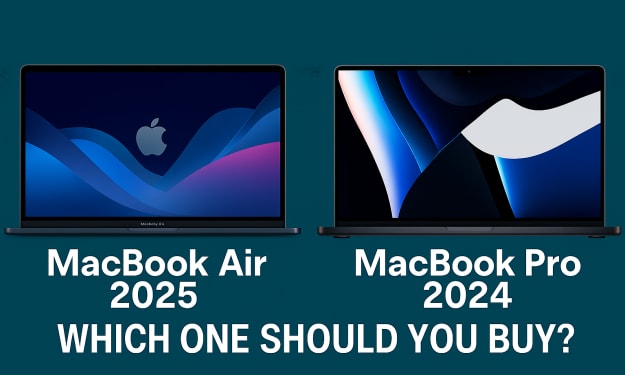
MacBook Pro M4 vs MacBook Air M4 (2025): Which Apple Laptop Should You Buy?
Discover the ultimate 2025 comparison between the MacBook Pro M4 and MacBook Air M4. Explore key specs, performance, battery life, pros and cons, and find out which Apple laptop is the best choice for students, creators, and professionals this year. Apple’s 2025 laptop lineup has set the bar high — again. The MacBook Pro M4 Pro and the MacBook Air M4 are both powered by Apple’s latest silicon and built around Apple Intelligence, the company’s new on-device AI system that enhances productivity, creativity, and everyday tasks. But which one is better for you — the powerful Pro or the ultra-efficient Air? Let’s dive deep into a full comparison to help you make the smartest buying decision in 2025. MacBook Pro M4: The Powerhouse for Creators and Professionals The 2024 MacBook Pro (14-inch) featuring the M4 Pro chip is designed for creators, developers, and professionals who need uncompromised performance. With a 12-core CPU and 16-core GPU, it delivers desktop-class power in a portable form. The Liquid Retina XDR display hits up to 1600 nits of brightness, making HDR video editing and photo work look absolutely stunning. Apple’s M4 architecture also enhances energy efficiency, so you can edit 4K videos, render 3D models, or run multiple apps simultaneously — all without plugging in. Key Highlights 14.2-inch Liquid Retina XDR display M4 Pro or M4 Max chip options Up to 24GB Unified Memory and 512GB SSD All-day battery life macOS Sequoia with Apple Intelligence integration Pros ✅ Incredible performance for creative and professional workloads ✅ XDR display is perfect for editing and color-accurate work ✅ Excellent build quality and cooling system ✅ Wide port selection including HDMI and SDXC slot Cons ❌ Higher starting price ($1,749+) ❌ Slightly heavier than MacBook Air ❌ Overkill for casual users MacBook Air M4: The Perfect Everyday Laptop The MacBook Air 15-inch (2025) is Apple’s most balanced laptop yet — now running on the M4 chip. It’s designed for students, remote workers, and anyone who wants premium performance without the Pro price tag. The M4 chip provides faster app switching, smoother multitasking, and even light video editing without breaking a sweat. Add to that a 15.3-inch Liquid Retina display, 18-hour battery life, and super-slim design, and you’ve got the best value MacBook ever made. Key Highlights 15.3-inch Liquid Retina display (500 nits) M4 chip with 8-core CPU, 10-core GPU 24GB Unified Memory, 512GB SSD 12MP Center Stage camera + six-speaker audio macOS Sequoia with Apple Intelligence Pros ✅ Exceptional performance for the price ✅ Incredibly lightweight and silent ✅ Longest battery life ever on a MacBook ✅ Gorgeous design and multiple color options Cons ❌ Limited port selection ❌ Not ideal for heavy 3D or video production ❌ Display not as bright as the Pro MacBook Pro M4 vs MacBook Air M4: Side-by-Side Comparison Processor (Chip): MacBook Pro M4 Pro → 12-core CPU, 16-core GPU MacBook Air M4 → 8-core CPU, 10-core GPU Display: MacBook Pro → 14.2-inch Liquid Retina XDR (up to 1600 nits brightness) MacBook Air → 15.3-inch Liquid Retina (500 nits brightness) Performance: MacBook Pro → Designed for professional workloads and AI-driven tasks MacBook Air → Great for daily productivity and light creative work
By NextGen Mobile Tech12 months ago in Futurism
Top 5 Drones to Buy in 2025: From Pro-Level 8K Shooters to Budget-Friendly Flyers
In 2025, drones have evolved beyond just hobby gadgets — they’re powerful tools for creators, photographers, and travelers. Whether you’re chasing cinematic shots or exploring new landscapes, the right drone makes all the difference. After testing and analyzing the top-rated drones on the market, we’ve rounded up the 5 best drones of 2025 that balance image quality, performance, and value. If you love tech comparisons, check out our Apple Watch Ultra vs Series 10 breakdown.”) 🟡 1. SKYROVER X1 Fly More Combo — The Pro’s Compact Powerhouse Key Specs: Camera: 8K Photos / 4K 60fps HDR Video Flight Time: 96 minutes (3 batteries) Weight: Under 249g (no FAA registration needed) Range: 50,000 ft (15KM) Special Feature: 360° Obstacle Sensing The SKYROVER X1 redefines what a lightweight drone can do. Despite being under 249g, it delivers flagship performance. Its 8K photo capability and 4K/60fps HDR video offer vibrant, crisp visuals that rival professional cameras. The 360° obstacle sensing makes it beginner-friendly yet powerful enough for advanced creators. Pros: ✅ Stunning 8K photos and 4K HDR video ✅ Longest flight time in its class (96 mins) ✅ 360° obstacle avoidance ✅ Vertical video for social media Cons: ❌ Pricey for beginners ❌ Slight learning curve for new pilots ⚫ 2. DJI Mini 3 — Compact Creativity for Everyone Key Specs: Camera: 4K HDR Flight Time: Up to 51 mins Range: 32,800 ft (10KM) Weight: 249g Gimbal: 3-Axis DJI’s Mini 3 remains the go-to drone for travelers and casual creators. It captures 4K HDR video with vibrant detail and its dual native ISO ensures sharp results even in low light. What makes it stand out? True Vertical Shooting — perfect for Reels, TikToks, and Instagram stories. Want to see another Apple-inspired innovation? Don’t miss our MacBook Air M4 Review.”) Pros: ✅ Lightweight, foldable, and travel-ready ✅ 4K HDR video with smooth stabilization ✅ Vertical shooting for social media ✅ Impressive wind resistance Cons: ❌ Limited obstacle detection ❌ Flight time slightly shorter without extra battery 🩶 3. Ruko F11PRO 2 — Stability Meets Cinematic Performance Key Specs: Camera: 6K / 4K 30fps Flight Time: 70 mins (2 batteries) Gimbal: 3-Axis Brushless Range: 10,000 ft The Ruko F11PRO 2 shines for its cinematic precision. With a 3-axis brushless gimbal, it captures smooth footage even in windy conditions. The 6K lens captures more depth, texture, and detail, making it perfect for professional filmmakers or vloggers. Its smart flight modes — Follow Me, Orbit, and Waypoint — make it easy to film dynamic shots hands-free. Pros: ✅ 6K image clarity with stabilized gimbal ✅ Dual batteries for 70-minute flight ✅ Smart GPS-assisted flight modes ✅ Night mode for low-light creativity Cons: ❌ Slightly bulkier than ultra-light drones ❌ App could be more intuitive
By NextGen Mobile Tech12 months ago in Futurism
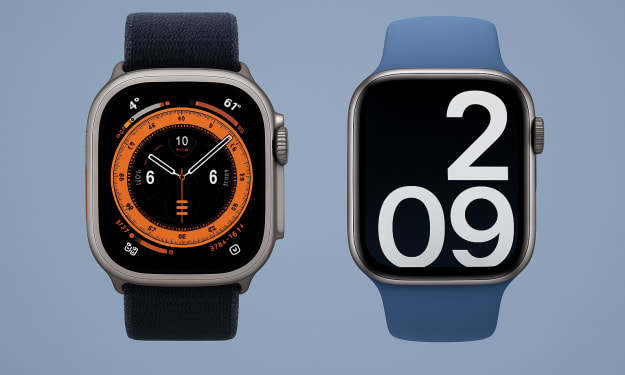
Apple Watch Ultra vs Series 10: Which One Should You Buy in 2025?
Compare the Apple Watch Ultra and the new Apple Watch Series 10 in this 2025 showdown. Discover key differences in design, battery life, performance, and features to find the perfect smartwatch for your lifestyle. In 2025, Apple continues to lead the smartwatch market with two powerhouse models — the Apple Watch Ultra and the Apple Watch Series 10. Both are packed with cutting-edge features, premium designs, and impressive health-tracking capabilities. But if you’re trying to decide which one is worth your money this year, this in-depth comparison will help you choose the perfect fit for your lifestyle. Design and Build Quality The Apple Watch Ultra is built for durability and adventure. Its 49mm titanium case, large digital crown, and raised side buttons make it ideal for outdoor explorers, divers, and athletes. The design feels bold, rugged, and highly resistant to extreme conditions — even water-resistant up to 100 meters. On the other hand, the Apple Watch Series 10 brings elegance and comfort. With a thinner, lighter design and up to 30% more screen area, it’s crafted for everyday use and style. It’s IP6X dust-resistant, crack-resistant, and water-resistant up to 50 meters — perfect for swimming or gym sessions but not extreme sports. Verdict: Go for Apple Watch Ultra if you want durability and outdoor toughness. Choose Apple Watch Series 10 for comfort, sleekness, and daily wear. Display and Visual Experience The Ultra offers Apple’s brightest display yet — a 1.92-inch Always-On Retina panel that remains visible even under direct sunlight. Whether you’re hiking or diving, the visibility is top-notch. The Series 10 counters with a larger usable screen area, slim bezels, and vibrant colors. The Retina display delivers crisp details for text, apps, and watch faces, making it perfect for professional and casual use. Verdict: The Ultra wins in brightness and outdoor visibility. The Series 10 wins in elegance and display-to-body ratio. Performance and Battery Life Both watches feature Apple’s latest silicon — the M4 chip architecture in the Ultra and the optimized S10 SiP in the Series 10 — offering lightning-fast performance and smooth multitasking. Battery life, however, sets them apart. The Apple Watch Ultra can last up to 36 hours (and even longer in low-power mode). The Apple Watch Series 10 typically lasts up to 18 hours, but it charges to 80% in just 30 minutes. Verdict: If you value endurance and outdoor use, the Ultra is unbeatable. For everyday use and fast charging, Series 10 is more than enough. Health and Fitness Features Both watches excel at health tracking — from heart rate monitoring, ECG, and sleep tracking to menstrual cycle insights and blood oxygen levels. However, Series 10 introduces improved Vitals tracking, offering overnight respiratory rate and potential sleep apnea alerts. The Ultra focuses on high-intensity performance, with dual-frequency GPS, Heart Rate Zones, and rugged sensors designed for triathletes and adventurers. Verdict: Series 10 = Health and wellness focus. Ultra = Fitness and endurance tracking. Safety and Connectivity Both models include essential safety tools such as Crash Detection, Fall Detection, and Emergency SOS. The Ultra adds a loud 600-foot emergency siren, precision dual GPS, and cellular connectivity, making it ideal for remote or solo travel. The Series 10 offers seamless connectivity with your iPhone, Wi-Fi, and Bluetooth 5.3, allowing easy access to Siri, texts, and calls without carrying your phone everywhere. Price Comparison Apple Watch Ultra (Renewed): Around $391 on Amazon (49mm Titanium Case) Apple Watch Series 10 (GPS): Around $399–$429 depending on band and color Both are priced competitively in 2025, but the Ultra offers more ruggedness for similar money — while Series 10 provides a newer, lighter experience. Pros and Cons Apple Watch Ultra Pros: Rugged titanium build 36-hour battery life Dual-frequency GPS for precision
By NextGen Mobile Tech12 months ago in Futurism
Apple 2025 MacBook Air M4 Review — The Speed of Lightness Redefined
When Apple introduced the 2025 MacBook Air with the new M4 chip, it wasn’t just another upgrade — it was a declaration. Apple’s thinnest and lightest laptop now blends breathtaking performance, intelligence-driven features, and stunning efficiency into one package that finally feels like the perfect all-round laptop for students, professionals, and creators alike. Whether you’re editing 4K videos, designing in Photoshop, or binge-watching Netflix on its Liquid Retina display, the M4 MacBook Air delivers power and portability in perfect balance. In this in-depth review, we’ll explore everything you need to know — from performance to design, battery life, and real-world usability — along with pros, cons, and FAQs to help you decide if this is the right laptop for you. M4 Performance: Supercharged by Apple Silicon Apple’s M4 chip is the star of the show — built for speed, efficiency, and intelligence. Compared to the M3, it delivers faster CPU and GPU performance while consuming less power. Whether you’re multitasking between heavy apps like Final Cut Pro and Safari or gaming casually, the M4 handles it effortlessly. The MacBook Air stays whisper-quiet thanks to its fanless design, and it rarely heats up even during long editing sessions. Apple claims the M4 is up to 30% faster than the M3 and nearly 4x faster than older Intel-based Air models — and in real use, it feels exactly that way. If you’re interested in comparing performance across laptops, check out our detailed breakdown of the [Best Laptops 2025](#) to see how Apple stacks up against Dell, ASUS, and Lenovo. ( Link )
By NextGen Mobile Tech12 months ago in Futurism
Anker Nano vs. Anker MagGo: Which MagSafe Power Bank Should You Buy in 2025?
Looking for the best MagSafe power banks for iPhone? Compare the Anker Nano 5,000mAh and Anker MagGo 10,000mAh Qi2‑certified chargers. Discover features, pros and cons, and FAQs to help you choose the right portable charger for your lifestyle.
By NextGen Mobile Tech12 months ago in Futurism
Partnering with Leica and Google Gemini: How Xiaomi Is Reinventing Its Global Identity
Xiaomi partners with Leica and Google Gemini to elevate smartphone photography and AI innovation, signaling its bold move into the global premium market. Introduction: Xiaomi’s Next Big Leap Xiaomi has long been recognized as the affordable disruptor in the smartphone industry. Known for delivering high-quality devices at competitive prices, the company carved out a loyal following across Asia, Europe, and beyond. But in 2025, Xiaomi is rewriting its narrative. By partnering with Germany’s Leica, a legendary name in photography, and Google’s Gemini AI, one of the most advanced artificial intelligence systems in the world, Xiaomi is signaling a strategic transformation. This isn’t just about better cameras or smarter software—it’s about repositioning itself as a premium global brand capable of competing head-to-head with Apple and Samsung. Why Leica Matters: Photography as a Status Symbol Smartphone photography has become one of the most important battlegrounds in the mobile industry. Consumers no longer ask how many megapixels a phone has—they want to know whether it can capture professional-quality images.
By NextGen Mobile Tech12 months ago in Futurism
iPhone 17 Pro vs Xiaomi 17 Pro vs Samsung Galaxy S26 Edge: The Ultimate 2025–26 Flagship Smartphone Showdown
The smartphone industry never sleeps, and 2025 has already delivered some of the most exciting devices we’ve seen in years. With Apple’s iPhone 17 Pro, Xiaomi’s 17 Pro, and Samsung’s upcoming Galaxy S26 Edge, the competition for the best flagship phone has never been fiercer.
By NextGen Mobile Tech12 months ago in Futurism
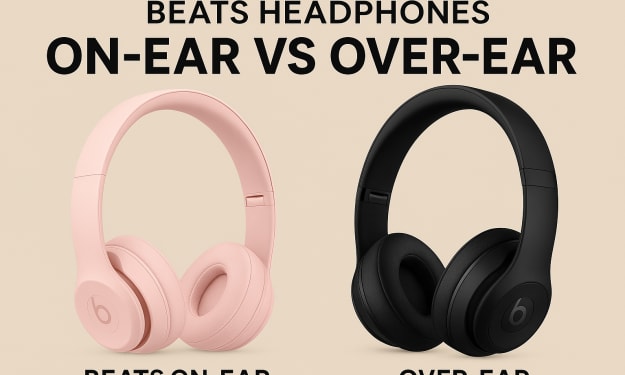
Beats On-Ear (Cloud Pink) vs Beats Over-Ear (Black) — Which Headphones Are Right for You in 2025?
Compare Beats On-Ear Cloud Pink and Beats Over-Ear Studio Pro Black. Learn about battery life, sound quality, comfort, features, pros & cons, and FAQs to find your perfect headphones.
By NextGen Mobile Tech12 months ago in Futurism
iPhone 17 Pro Max vs Tesla Pi Phone: The Ultimate 2025 Flagship Showdown
The smartphone industry in 2025 is more competitive than ever. Apple has officially launched its iPhone 17 Pro Max, a powerhouse device that continues to push the boundaries of mobile technology. Meanwhile, Tesla has been making waves with rumors of its Tesla Pi Phone, a futuristic device said to integrate with Starlink satellites, Neuralink, and even solar charging. But how do these two devices compare? One is a proven flagship with a loyal ecosystem, while the other is a speculative disruptor that could redefine what a smartphone can do. In this article, we’ll break down their design, performance, cameras, ecosystem, and unique features to help you understand which one might be the better fit for your needs. Design and Build Quality iPhone 17 Pro Max Apple has always been known for its premium design language, and the iPhone 17 Pro Max doesn’t disappoint. With a 6.9-inch OLED ProMotion display, ultra-thin bezels, and aerospace-grade aluminum, it feels both futuristic and familiar. Available in Deep Blue, Cosmic Orange, and Silver, it continues Apple’s tradition of sleek minimalism. Tesla Pi Phone The Tesla Pi Phone, while still unconfirmed, is rumored to feature a futuristic, minimalist design inspired by Tesla’s cars. Some leaks suggest a matte titanium body with integrated solar panels on the back for emergency charging. If true, this would make it one of the most innovative designs in smartphone history. Verdict: The iPhone 17 Pro Max is real and polished, while the Tesla Pi Phone’s design remains speculative but potentially groundbreaking. Performance and Hardware iPhone 17 Pro Max Chipset: Apple A19 Pro (3nm) RAM: 12GB Storage: Up to 1TB Battery: Optimized with iOS for all-day use Apple’s A19 Pro chip is built for AI-driven tasks, gaming, and multitasking. Combined with iOS optimizations, it delivers unmatched stability and efficiency. Tesla Pi Phone Chipset: Rumored Tesla-designed chip or Snapdragon flagship RAM: 16GB Storage: 512GB–2TB Battery: Speculated solar charging + fast charging If Tesla integrates its own silicon, the Pi Phone could rival Apple in raw performance. The solar charging feature, while not a replacement for wired charging, could be a game-changer for travelers and outdoor users. Verdict: The iPhone 17 Pro Max offers proven performance, while the Tesla Pi Phone promises speculative innovation. Camera Systems iPhone 17 Pro Max Apple’s triple 48MP camera system is powered by advanced computational photography. Features include: Cinematic Mode 2.0 Night Mode improvements 8K video recording AI-driven editing tools Tesla Pi Phone Rumors suggest a quad-lens system with astrophotography capabilities. This aligns with Tesla’s space branding and could allow users to capture clear images of the night sky. Verdict: The iPhone 17 Pro Max is the safe bet for professional photography, while the Tesla Pi Phone could appeal to space enthusiasts and astrophotographers. Connectivity and Ecosystem iPhone 17 Pro Max 5G, Wi-Fi 7, NFC, GPS Seamless integration with Apple Watch, Mac, iPad, and iCloud iOS 19 with enhanced AI features Tesla Pi Phone Rumored Starlink satellite connectivity (direct internet without carriers) Possible Neuralink integration for future brain-computer interface Likely runs on a Tesla-modified Android OS Deep integration with Tesla cars, solar panels, and energy products Verdict: Apple offers a mature, polished ecosystem, while Tesla aims for a futuristic, interconnected lifestyle. Battery and Charging iPhone 17 Pro Max: All-day battery, MagSafe wireless charging, USB-C fast charging. Tesla Pi Phone: Speculated solar charging panels + ultra-fast wired charging. If Tesla delivers on solar charging, it could revolutionize how we think about smartphone power. Price and Availability iPhone 17 Pro Max: $1,399–$2,100 depending on storage. Available worldwide. Tesla Pi Phone: No official release or pricing. Speculation ranges from $1,000–$2,500. Key Differences at a Glance | Feature | iPhone 17 Pro Max | Tesla Pi Phone | |---------|------------------|----------------| | Status | Official, available | Rumored, not released | | Chipset | Apple A19 Pro | Tesla/Qualcomm (speculative) | | Cameras | Triple 48MP | Quad-lens, astrophotography | | Connectivity | 5G, Wi-Fi, NFC | Starlink satellite internet | | Battery | Optimized iOS + fast charging | Solar charging (rumored) | | Ecosystem | Apple devices + iCloud | Tesla cars, Starlink, Neuralink | | Price | $1,399–$2,100 | $1,000–$2,500 (speculative) | Conclusion The iPhone 17 Pro Max is a real, premium flagship that delivers everything you’d expect from Apple: performance, cameras, and ecosystem integration. The Tesla Pi Phone, on the other hand, remains a futuristic concept—if even half of its rumored features (Starlink, Neuralink, solar charging) come true, it could disrupt the entire smartphone industry. For now, the iPhone 17 Pro Max is the safe, reliable choice, while the Tesla Pi Phone is the wild card that could either redefine smartphones or remain a tech myth.
By NextGen Mobile Tech12 months ago in Futurism