future
Exploring the future of science today, while looking back on the achievements from yesterday. Science fiction is science future.
When the Universe was one second Old: The Birth of the First Hydrogen Atoms
Imagine a cosmic stopwatch starting at the very instant the Universe burst into existence. It clicks once—one second has passed. Just a single heartbeat. That moment is so short that most of us wouldn’t even notice it. But on the scale of the cosmos, one second after the Big Bang marks a profound turning point. It’s the moment when the foundations of all future matter—including stars, planets, and eventually us—began to solidify.
By Holianyk Ihor12 months ago in Futurism
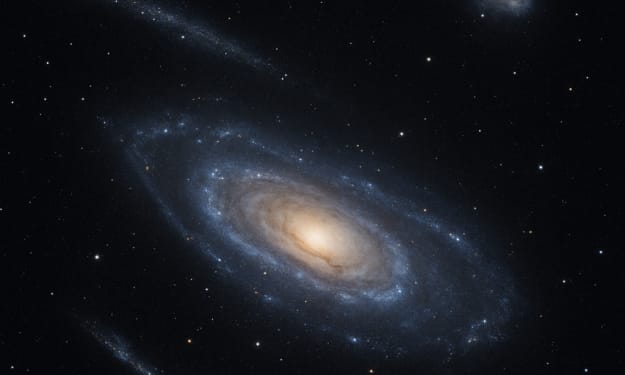
Phoenix A: The Brightest Known Galaxy — A Cosmic Beacon Shining Trillions of Suns
In the vast, silent darkness of the universe, brilliance is rare. Stars flicker, nebulae glow, quasars blaze — yet only a handful of cosmic giants truly challenge our imagination. Among them stands Phoenix A, the brightest galaxy humans have ever discovered. Its light outshines the Sun not by millions or billions, but by trillions of times. It is a cosmic lighthouse whose glow reaches across billions of years of space and time.
By Holianyk Ihor12 months ago in Futurism
When the Universe Was One Second Old: The Birth of the First Hydrogen Atoms
Imagine a cosmic stopwatch starting at the very instant the Universe burst into existence. It clicks once—one second has passed. Just a single heartbeat. That moment is so short that most of us wouldn’t even notice it. But on the scale of the cosmos, one second after the Big Bang marks a profound turning point. It’s the moment when the foundations of all future matter—including stars, planets, and eventually us—began to solidify.
By Holianyk Ihor12 months ago in Futurism
AI-powered Custom Software Development: How Intelligent Solutions are Redefining Business Innovation
The current digital age demands businesses to adopt innovation as their survival requirement. Businesses now require applications which go beyond standard solutions because they want customized software that adjusts to their needs and predicts their operations in real-time.
By Encodedots Technolabs12 months ago in Futurism
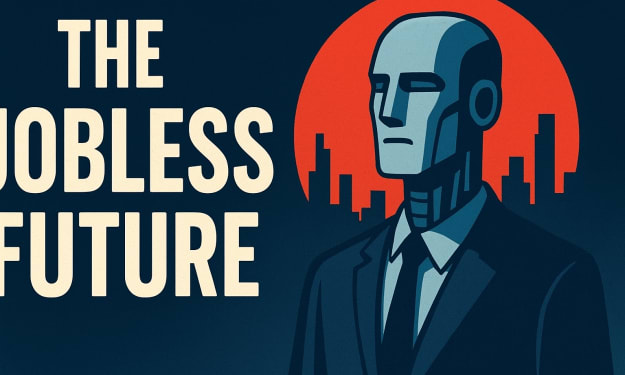
World Without Jobs
For decades we have imagined a future where technology makes life easier, people work less, and machines do the boring tasks for us. But what if the future takes a darker turn? What if the machines we built to help us end up replacing us completely? Artificial Intelligence is no longer a distant idea from sci-fi movies. It is here, rapidly evolving, and silently eating the global job market. The world stands at the edge of the most dramatic economic transformation ever seen: a future without jobs.
By Keramatullah Wardak12 months ago in Futurism
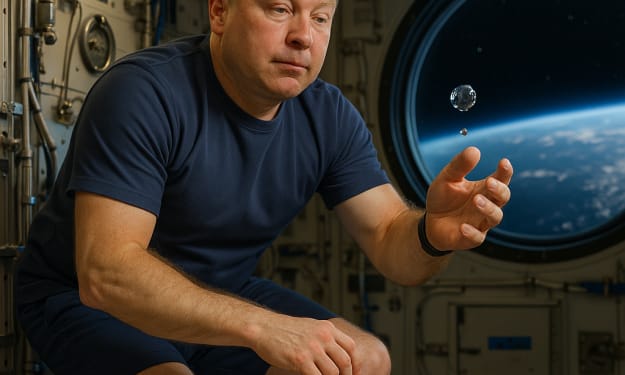
Why Astronauts Lose Up to One Liter of Fluid Per Day in Orbit
When astronauts leave Earth, their bodies begin to change almost immediately. Bones weaken, muscles shrink, and even the sense of taste can shift. But one of the most surprising effects of spaceflight happens within the first few days in orbit: astronauts start losing up to one liter of bodily fluid per day.
By Holianyk Ihor12 months ago in Futurism
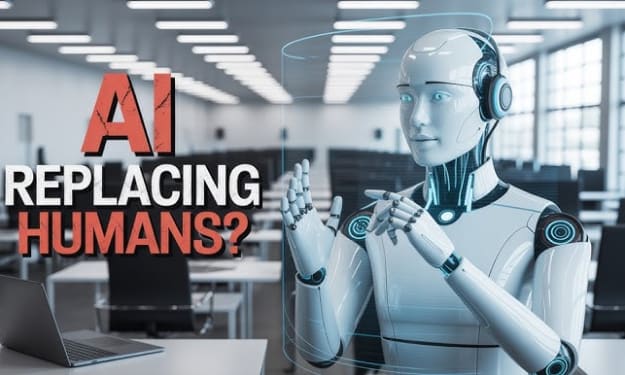
Will AI Take Your Job in 2026? Exploring the Future of Work and Automation. AI-Generated.
As the world continues to evolve, so does the technology around us. One of the most discussed advancements is Artificial Intelligence (AI). From chatbots to self-driving cars, AI has permeated many aspects of our daily lives. But with its rapid growth, a common question is being asked more frequently: Will AI take your job in 2026? The looming question has sparked fear, curiosity, and debate. In this article, we will explore the impact of AI on the workforce, what it means for different industries, and how you can adapt to thrive in an AI-powered future. AI in the Workforce: A Glimpse into the Future AI is expected to dramatically reshape industries by 2026, automating tasks that were once the domain of humans. While some jobs are at risk of being replaced, others will emerge, and the way we work will be forever altered. 1. Job Automation and Its Impact on Traditional Jobs The most immediate concern is the automation of manual and repetitive tasks. In sectors like manufacturing, retail, and customer service, AI is already making waves. For example, robots in factories are assembling cars faster than human workers, and AI-powered chatbots are handling customer service inquiries. According to recent reports, around 30% of jobs in the U.S. could be automated by 2030, with 2026 being a pivotal year. 2. The Rise of AI in Creative Industries Interestingly, AI's influence isn't limited to mundane tasks. Even in creative industries like writing, design, and music production, AI tools are starting to play a role. AI can generate music, write articles, and even create artwork. For example, AI-powered platforms like OpenAI's GPT series are capable of producing high-quality written content, raising concerns for writers and journalists. However, this doesn't mean creativity will be entirely taken over. Human touch, intuition, and emotional depth remain irreplaceable, but AI will certainly be a tool that amplifies human creativity. 3. AI and the Gig Economy: New Opportunities While automation might replace certain jobs, it will also create new ones. The gig economy is already booming, and AI will continue to fuel this growth. Freelancers and remote workers in fields like software development, data analysis, and digital marketing will be in high demand as businesses look for human expertise to work alongside AI. The key here is adaptability. If you're able to learn how to work with AI, rather than against it, you will remain competitive in the job market. 4. Industries Most Affected by AI Certain sectors are more vulnerable to AI disruption than others. Jobs in logistics, customer support, and data entry are at high risk. However, sectors that require emotional intelligence, such as healthcare and education, are less likely to see full automation. AI tools may assist in these fields, but human intervention will still be essential. How to Stay Relevant in the Age of AI As the fear of job loss due to AI spreads, it’s important to realize that the future is not as grim as it seems. There are several ways you can ensure your career remains relevant and adaptable to technological advancements. 1. Learn to Collaborate with AI Rather than fearing AI, learn to leverage it to your advantage. Whether it's using AI tools for writing, design, or data analysis, understanding how to work with AI will be a valuable skill in the job market. Many industries will require human employees who are proficient in working alongside AI systems. 2. Upskill and Reskill Regularly Staying ahead in the workforce means committing to continuous learning. The jobs of tomorrow may not even exist today, so it’s crucial to invest in skills that will be in demand in the future. Learning about AI, machine learning, and other emerging technologies can give you a significant edge in the job market. 3. Develop Soft Skills While AI can automate many tasks, it cannot replicate human emotions, empathy, or social intelligence. Focusing on soft skills like communication, problem-solving, and emotional intelligence will make you indispensable, especially in industries like healthcare, teaching, and leadership roles. 4. Adapt to Remote Work Trends The pandemic accelerated the shift towards remote work, and this trend is expected to continue. Being adaptable to remote work, mastering digital collaboration tools, and learning to manage virtual teams will set you apart in a changing workforce. The Moral: Embrace the Future with Optimism and Preparedness The rise of AI doesn’t mean the end of human work. In fact, it could mark the beginning of a new era filled with opportunities for those who are willing to adapt and grow. The key to thriving in an AI-powered future is not about avoiding technology, but learning how to use it to your advantage. As we approach 2026, the best way to ensure job security is to stay informed, upskill regularly, and embrace the future with optimism. Conclusion: AI may change the landscape of employment, but it’s not about "taking" jobs, rather "transforming" them. By staying proactive, learning new skills, and adapting to new technologies, we can ensure that the future remains bright, even in a world dominated by AI. Will AI take your job in 2026? The answer isn’t as simple as yes or no. But one thing is certain: those who choose to evolve with AI will not just survive—they’ll thrive.
By Sajjad Ali12 months ago in Futurism
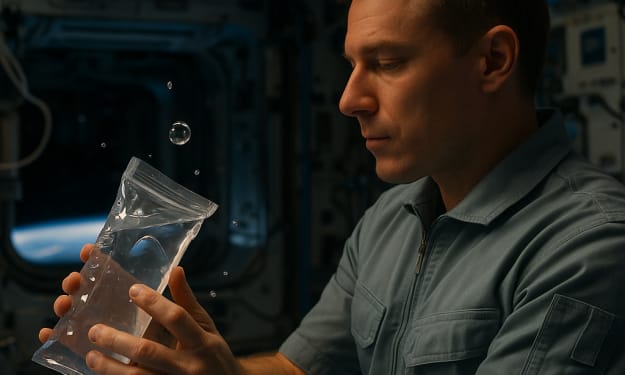
Astronauts Drink Water Recycled from Sweat and Breath — And It’s Not as Weird as You Think
When most people imagine life in space, they picture astronauts floating gracefully in zero gravity, conducting futuristic experiments, or gazing out at the blue curve of Earth. What rarely comes to mind is one of the most vital — and surprisingly complicated — aspects of living beyond our planet: water.
By Holianyk Ihor12 months ago in Futurism
The Milky Way Has Already “Devoured” Several Smaller Satellite Galaxies
When we look up at the night sky, the Milky Way appears calm and ethereal—an elegant misty band stretching across the darkness. But behind this peaceful appearance lies a dramatic and sometimes violent cosmic history. Our galaxy is not a quiet spectator of the universe. In reality, the Milky Way has spent billions of years growing by tearing apart and absorbing smaller galaxies that stray too close.
By Holianyk Ihor12 months ago in Futurism