evolution
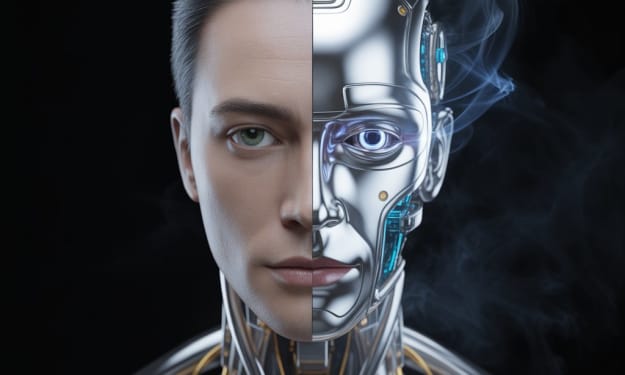
The evolution of science, science fiction, and mankind throughout the years.
Home, Upgraded: Meet Gemini for Home—The AI That Speaks Your World
The smart speaker has been subtly changing the way we live—playing music, checking the weather, or controlling lights. But too often, those interactions felt robotic: rigid voice commands, frustrated repeats, or disconnected execution. That era is ending. At Google’s “Made by Google” event in August 2025, the company introduced Gemini for Home, a smart speaker powered by Gemini AI with natural conversational skills that live where you least expect it—the heart of your home. And this time, your voice isn’t just heard—it’s genuinely understood. --- From Commands to Conversations Traditional smart speakers operate with clear-cut triggers: “Hey Google, play jazz,” or “Set a timer.” Gemini for Home flips the script. It supports follow-up conversations seamlessly. Ask it to suggest healthy recipes, and you can immediately follow up with, “Make that vegan,” or “What if I only have half the ingredients?” It adapts, remembers context, and responds as if you’re talking to a trusted assistant—not a machine. This is the essence of conversational AI—lifelike, flexible, and capable of understanding intention, not just keywords. --- Your All-In-One Household Planner Beyond chat, Gemini for Home aims to be deeply helpful. It can manage routines, plan vacations, assist in cooking, troubleshoot tech issues, and even tell engaging bedtime stories. Need a reminder to water your plants every three days? It can handle that. Curious about pairing wine with dinner? It’ll make suggestions with flair. Combined with a stylish, compact speaker design—akin to a miniature Nest Mini but smarter—Gemini for Home blends into décor while quietly revolutionizing how we interact with AI day-to-day. --- Rollout, Pricing, and Accessibility Google plans to release Gemini for Home via early access in October 2025, aiming for deployment on both new and existing smart devices. The service will offer free and paid tiers, making its sophisticated AI accessible to more households. While pricing details are still emerging, the tiered model reflects a shift toward broader consumer adoption—no longer just a premium luxury. --- Why It Matters: AI That Understands You So what makes Gemini for Home more than just another smart speaker? Context Awareness: Unlike devices that trigger each act separately, Gemini maintains conversational threads. “Set the thermostat to 72.” “Also turn on the humidifier.” You don’t need to repeat context—it just knows. Deep Integration: Managing multiple aspects of life—from entertainment to chores—without switching platforms. This fits the trend of humanoid AI assistants transitioning into our physical spaces, not just phones or computers. Ease and Naturalness: It’s less about voice commands and more about dialogue. It could mean fewer frustrations, less rigid syntax, and interactions that feel more intuitive. --- Potential Trade-Offs and Considerations As impressive as Gemini for Home looks, a few caveats bear consideration: Privacy & Eavesdropping Risks: Always-listening mics and rich contextual data could raise concerns around surveillance and data misuse. AI Overreach? Automation is convenient—but could turn into intrusion. Will the AI interrupt your movie with unsolicited suggestions? Access Divide: Advanced AI often comes first to high-end homes. Whether free tiers offer robust features or limited functionality remains to be seen. --- Where It Fits in the AI Living Room Gemini for Home is far from Google’s only new release—it’s part of an AI-first ecosystem rollout that includes Pixel 10 phones, Pixel Watch 4, and more, all driven by the new Tensor G5 chip. It reflects a broader shift: AI is no longer the add-on—it’s the core. Smart speakers used to live in corners. Gemini for Home stakes its place front and center, listening, learning, and serving in real-time. --- The Future of Home AI Is Conversational Gemini for Home signifies more than improved voice response—it’s about voice interaction evolving into conversational partnership. It’s not just asking questions; it’s thinking with you, remembering your habits, and offering thoughtful suggestions. As AI migrates from phones into homes, devices like this will redefine convenience. Buying groceries? Ask Gemini to suggest a recipe from what’s left in your fridge. Planning a family outing? Tell it about everyone’s preferences and let it take care of the rest. The potential grows as the model learns your world. --- Final Thoughts Gemini for Home shows that the future of smart tech isn’t about louder alerts or slicker hardware—it’s about genuinely understanding us. Google’s conversational speaker brings intelligence to the living room with warmth, adaptability, and insight. As adoption spreads and the AI warms to our rhythms, your home won’t just be connected—it will be intelligent, intuitive, and alive.
By GadgetGroundabout a year ago in Futurism
The Future of AI: How Machines Could Reshape Humanity by 2050
The Future of AI: How Machines Could Reshape Humanity by 2050 Artificial Intelligence (AI) is no longer just a buzzword—it is one of the most transformative forces of our time. Already, AI powers our smartphones, guides self-driving cars, helps doctors diagnose diseases, and shapes the way we shop, travel, and communicate. But what happens in the next 25 years?
By Echoes of Lifeabout a year ago in Futurism
Top 10 Future Inventions That Could Change the World.
Top 10 Future Inventions That Could Change the World Introduction Since the dawn of human civilization, inventions have shaped the way societies live, work, and communicate. The wheel, electricity, and the internet are just a few breakthroughs that redefined entire eras. But as technology continues to accelerate, the future holds even greater promises. From advanced artificial intelligence to space colonization, the coming decades could deliver inventions that will radically change our world. Below, we explore ten of the most impactful innovations that experts believe are on the horizon.
By Sayed Zewayedabout a year ago in Futurism
AI in the Next Decade: 7 Transformations That Will Change the World
AI in the Next Decade: 7 Transformations That Will Change the World Artificial Intelligence (AI) is often seen as a technology of the distant future, but the truth is that it is already reshaping our lives. Over the next ten years, AI will likely accelerate even further, influencing everything from how we work and learn to how we fight climate change and protect our health.
By Echoes of Lifeabout a year ago in Futurism
“The World Is Changing Faster Than We Can Handle—But Are We Ready?” . AI-Generated.
The first time Aisha saw the floodwaters creeping into her neighborhood, she thought it was just another heavy rain. But it wasn’t. The river that ran calmly near her home had overflowed, swallowing streets, cars, and the small park where children played every evening. She watched helplessly as families scrambled to save whatever possessions they could, realizing that climate change wasn’t a distant warning—it had arrived at her doorstep. Aisha’s story is not unique. Across the globe, millions of people are confronting rapid changes that feel overwhelming. From rising temperatures and unpredictable storms to AI replacing jobs and the constant hum of economic uncertainty, the world is transforming faster than any of us could have imagined. And the pressing question remains: are we ready? --- The Human Cost of Rapid Change Take Raj, a 28-year-old software engineer in India. For years, he believed that hard work and education guaranteed security. But when AI-driven automation entered his industry, Raj suddenly found himself replaced by algorithms that could code faster and more efficiently than he ever could. The stability he had trusted vanished overnight. Raj’s story highlights a crucial point: change isn’t waiting for anyone. The digital revolution, while promising convenience and progress, also carries unforeseen risks. People who don’t adapt, learn new skills, or anticipate shifts find themselves struggling in a world that seems to leave them behind. Meanwhile, across continents, farmers like Miguel in South America face droughts and unpredictable weather. Crops fail not because of negligence, but because the planet itself is acting unpredictably. Communities that have relied on traditional knowledge for generations are suddenly scrambling to survive in conditions that defy experience. These examples reveal a hard truth: global issues aren’t abstract—they are personal, local, and urgent. --- Why We Struggle to Keep Up The rapid pace of change creates a paradox: we are aware of the problems but often feel powerless to act. Social media constantly feeds us images of fires, floods, and economic crises, creating anxiety without solutions. At the same time, innovation and technology progress at lightning speed, leaving little room for reflection or preparation. Psychologists call this phenomenon “future shock”—the feeling of being overwhelmed by too much change in too short a time. It’s no longer just a theory; it’s a lived reality. People like Aisha, Raj, and Miguel embody this stress every day. --- The Hidden Opportunities in Change Yet, within these crises lie opportunities. Change, though daunting, is never entirely negative. Aisha, after her neighborhood flood, began organizing community workshops on disaster preparedness. Small steps—like teaching people how to store essentials, build emergency plans, and understand climate patterns—transformed fear into action and resilience. Raj, after losing his job, embraced online courses and upskilled in AI ethics and human-centered technology design. Today, he works in a hybrid role that blends human creativity with AI efficiency. His story shows that adaptability is not optional—it is essential. Miguel, on the other hand, joined a cooperative that implemented sustainable farming practices. By diversifying crops and adopting climate-smart techniques, his community not only survived but began thriving, turning crisis into innovation. Bold lesson: While change can overwhelm, it also empowers those willing to learn, adapt, and collaborate. --- What Can We Do as Individuals? 1. Educate Yourself Continuously: Knowledge is power. Staying informed about climate science, technology trends, and economic shifts gives you foresight. 2. Build Resilience: Whether through financial planning, skill diversification, or emotional preparedness, resilience is your buffer against uncertainty. 3. Take Action Locally: Individual efforts, like community programs or sustainable practices, multiply when collective action occurs. 4. Embrace Change, Don’t Fear It: Viewing change as a challenge rather than a threat shifts your mindset from panic to proactive problem-solving. --- The World Is Changing, But So Can We The truth is simple: the world will keep changing—whether we are ready or not. The question isn’t whether the storms, AI revolutions, or economic disruptions will come; it’s whether we will meet them with preparation, courage, and adaptability. Aisha now watches her community thrive after the floods. Raj has found fulfillment in a career he never imagined. Miguel’s village has become a model of resilience. These aren’t stories of luck—they are stories of readiness, action, and hope. And that is the message for all of us: the challenges of today are immense, but they are surmountable. By learning from those who face change head-on, by preparing before disaster strikes, and by adapting to new realities, we can turn anxiety into empowerment. The world is indeed moving faster than we can handle. But together, we can choose to be ready.
By Ihtisham Ulhaqabout a year ago in Futurism
Meta Connect 2025: The Dawn of Gesture-Driven AI Wearables
Every once in a while, a tech launch feels less like a product release and more like a glimpse into tomorrow. Meta Connect 2025 was one of those moments. Instead of minor updates or incremental improvements, Meta introduced two devices that may fundamentally reshape how we interact with technology: the Hypernova Smart Glasses and the Gesture-Control Wristband. These aren’t just new gadgets. Together, they hint at a future where gestures, movement, and eye-level information replace screens, taps, and swipes. --- Hypernova Smart Glasses: A New Lens on Reality For years, companies have promised us smart glasses that blend seamlessly into our daily lives. Most fell short—too bulky, too clunky, or too limited in functionality. Meta’s new Hypernova Smart Glasses feel like the first real step toward making that promise a reality. Unlike the earlier Ray-Ban Stories, which were essentially camera-equipped sunglasses, Hypernova introduces a tiny in-lens display. This subtle but groundbreaking shift means that notifications, directions, or AI-driven suggestions appear directly in your field of vision without pulling out a phone or strapping on a VR headset. Imagine walking in a new city. Instead of constantly checking your phone, street names and arrows float naturally in your line of sight. A calendar reminder pops up while you’re sipping coffee, and a text message quietly appears without breaking your conversation. This is the kind of seamless integration Hypernova aims to deliver. Of course, advanced technology comes at a price. Early reports suggest a starting price of around $800—not cheap, but in line with early flagship gadgets like the first iPhone or Apple Watch. And if history tells us anything, it’s that prices fall as adoption grows. --- Gesture-Control Wristband: Touchless, Effortless Control While the glasses grab the spotlight, the Gesture-Control Wristband may be the real star of Meta Connect. This device uses sensors to pick up on tiny hand and finger movements, translating them into digital commands. No taps, no swipes, no voice commands. Just subtle movements—like pinching your fingers together or swiping your hand in the air. Pair it with the Hypernova Glasses, and suddenly you’re navigating menus, scrolling through messages, or even taking a photo with nothing more than a flick of your wrist. It feels futuristic because it is. For decades, science fiction has imagined humans controlling computers through gestures. Now, that vision is inching toward reality. This has practical benefits too. Think about times when your hands are full—cooking, carrying groceries, working out. A gesture-based wristband makes controlling music, answering calls, or checking a quick notification almost effortless. It also adds a layer of privacy, letting you interact with tech without needing to speak commands out loud in public spaces. --- Why This Matters: A Shift Away from Screens The combination of smart glasses and gesture control highlights a bigger story: the decline of the screen as our primary interface. For decades, our relationship with technology has centered around displays—whether phone screens, laptop screens, or TV screens. Meta’s vision suggests something different. Instead of staring down at a glowing rectangle, information simply appears when you need it and disappears when you don’t. Instead of thumbs glued to glass, your natural movements become the input method. This could reduce digital distractions. Imagine receiving only the most important notifications, projected lightly in your vision, without the temptation to unlock a phone and get lost scrolling. The technology has the potential to make tech more invisible while keeping it more useful. --- The Opportunities—and Challenges There’s no doubt this tech is impressive, but it’s not without challenges: Price Barrier: At $800, Hypernova will remain a premium product at launch. Mass adoption may take years. Privacy Concerns: Cameras and displays on eyewear raise serious questions about surveillance and consent. Will people feel comfortable being recorded unknowingly? Learning Curve: Gesture-based controls sound intuitive, but they’ll require new habits. Just as swiping on a smartphone felt strange at first, gestures will take time to feel natural. Still, the opportunities are massive. This tech could revolutionize industries from healthcare (hands-free access to patient records) to education (immersive lessons in real time) to fitness (personal trainers projected into your workout space). For consumers, it could mean less screen time, more presence, and smoother daily interactions. --- Meta’s Bigger Play Why is Meta betting so heavily on wearables? The answer lies in their long-term vision of the metaverse and AI-first computing. Smart glasses and gesture devices aren’t just standalone products; they’re pieces of an ecosystem where physical and digital worlds merge. With Apple pushing forward with the Vision Pro and Google reviving its AI hardware ambitions, Meta can’t afford to fall behind. Hypernova and the wristband signal Meta’s intent to own the wearable future—not just social media feeds. --- The Takeaway: A Step Toward the Future Meta Connect 2025 wasn’t about incremental updates. It was about redefining how humans interact with technology. The Hypernova Smart Glasses bring digital content into your natural vision. The Gesture-Control Wristband makes interaction as fluid as movement itself. Yes, there are hurdles. The price is steep, privacy debates will rage, and adoption will take time. But if Meta succeeds, this could mark the beginning of a new era: one where computing is less about devices in our hands and more about technology that simply blends into the background of everyday life. The question is no longer “What can your phone do?” It’s becoming “How naturally can technology fit into your life?”
By GadgetGroundabout a year ago in Futurism
The Truth About AI: Myths vs. Facts You Need to Know
The Truth About AI: Myths vs. Facts You Need to Know Artificial Intelligence has become one of the most talked-about technologies of our time. From self-driving cars to chatbots, AI seems to be everywhere. But with all the hype, news headlines, and Hollywood movies, it can be hard to separate reality from fiction. Many people either fear AI as a dangerous future overlord or see it as a magical solution to every problem. The truth lies somewhere in between.
By Echoes of Lifeabout a year ago in Futurism
The Uncluttered Mind: How Perplexity Became My Window to the World
The tab bar was a rainbow of anxiety. Sixteen different colours, each representing a different desperate attempt to corral the chaos of my research. There was the vibrant red of a forgotten e-commerce tab for office chairs, the calming blue of a scientific journal article I’d opened three days ago and promised myself I’d “get to,” the sickly yellow of a Wikipedia page I’d landed on after a three-hour dive into the migratory patterns of arctic terns—a subject entirely unrelated to my actual project. My browser, Google Chrome, the digital home I’d lived in for over a decade, felt less like a tool and more like a hoarder’s garage. It was a monument to my distraction, a cluttered, memory-hogging beast that I fed my questions to, only to receive a firehose of results in return. My job was to stand in the deluge and try to catch a few relevant drops.
By Danyal Hashmiabout a year ago in Futurism
NASA’s Psyche Spacecraft Captures Earth and Moon from Deep Space
in July 2025, NASA’s Psyche spacecraft turned its cameras back toward Earth and captured something breathtaking a picture of our planet and the Moon from 180 million miles away. From this incredible distance, Earth and its companion appear only as two tiny specks of light, sparkling against the stars. While this may look simple, it’s a remarkable achievement that serves both as a scientific test and a humbling reminder of our place in the universe. This moment instantly recalls the famous “Pale Blue Dot” image taken by Voyager 1 decades ago, showing Earth as a fragile dot in the vastness of space.
By Muzamil khanabout a year ago in Futurism
Future-Proof Yourself in 2025: 10 Powerful Skills You Must Master to Stay Ahead
Introduction: Why 2025 Demands New Skills The world is changing faster than ever. Automation, artificial intelligence, global remote work, and digital entrepreneurship are redefining how people succeed. In 2025, it’s not just about working hard — it’s about working smart with future-proof skills. This guide reveals the 10 most powerful skills you must master to stay ahead of the curve, increase your earning potential, and thrive in any career path.
By KAMRAN AHMADabout a year ago in Futurism
Why Python Is the Friendliest Language for New Programmers
I remember when I first decided to learn programming. The sheer number of languages out there was overwhelming — C++, Java, JavaScript, Ruby, Go — where do you even start? After talking to a few developer friends and doing some research, I kept hearing the same advice: “Start with Python.”
By noor ul aminabout a year ago in Futurism
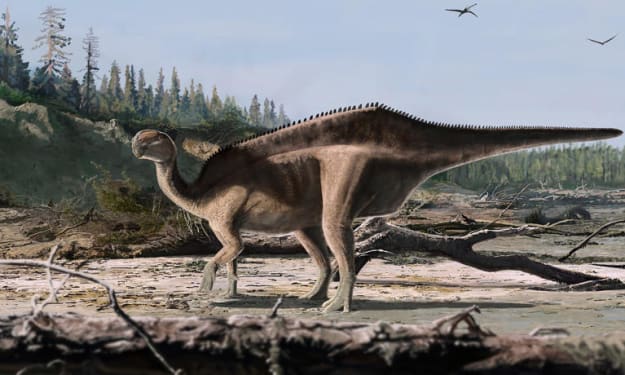
A Dinosaur with Sail Discovered on Isle of wight
A Striking New Find Imagine walking along the Isle of Wight’s beaches in southern England and stumbling upon fossils from a creature that lived 125 million years ago. That’s exactly what happened with the discovery of Istiorachis macarthurae, a new species of dinosaur. What makes this herbivore special is a sail-like structure running along its back and tail a feature that has sparked excitement and debate among paleontologists. This dinosaur belongs to the iguanodontians, a group of plant-eating dinosaurs closely related to the well-known Iguanodon. Unlike most of its relatives, however, Istiorachis stands out with its exaggerated neural spines that formed the “sail.”
By Muzamil khanabout a year ago in Futurism