artificial intelligence
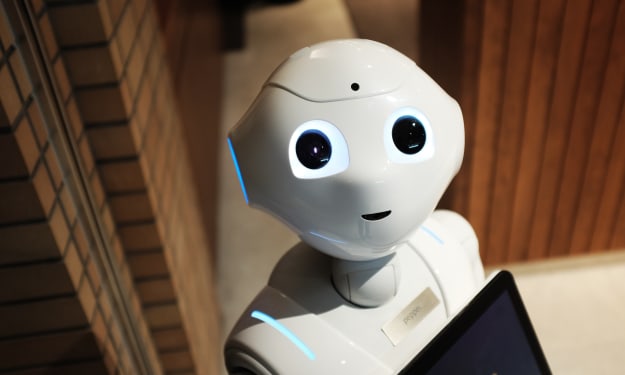
The future of artificial intelligence.
CHATGPT: Revolutionizing Conversations with Artificial Intelligence
Introduction: In the rapidly evolving landscape of artificial intelligence (AI), one innovation has captured the imagination and sparked conversations around the world—CHATGPT. Developed by OpenAI, CHATGPT is an advanced language model designed to engage in dynamic and interactive conversations with users. In this article, we delve into the fascinating capabilities of CHATGPT, its impact on various domains, its potential for the future, and the ethical considerations that arise in the realm of AI-driven conversations.
By Elsie Kesh3 years ago in Futurism
Artificial Intelligence: Unleashing the Power of Human Ingenuity
In the realm of technological advancements, one concept has emerged as a game-changer—Artificial Intelligence (AI). With its ability to mimic human intelligence and perform complex tasks with efficiency and accuracy, AI has transformed the way we live, work, and interact with the world around us. In this article, we delve into the fascinating world of AI, exploring its applications, impact on various industries, ethical considerations, and the potential it holds for shaping the future.
By Elsie Kesh3 years ago in Futurism
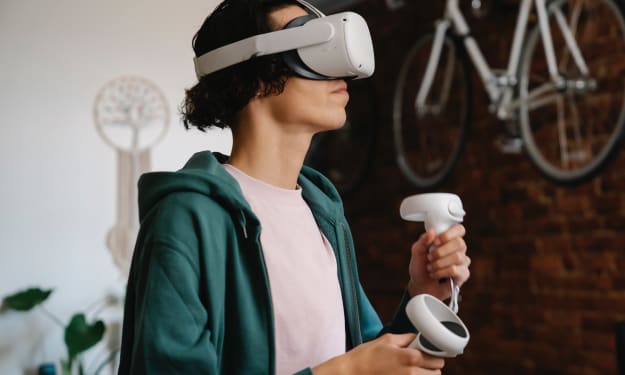
Exploring the World of Virtual Reality: Unlocking New Dimensions.
In the realm of technology, few advancements have generated as much excitement and potential as virtual reality (VR). This immersive technology has transformed the way we perceive and interact with digital content, unlocking new dimensions of experiences previously unimaginable. From entertainment and education to healthcare and beyond, virtual reality is revolutionizing various industries, captivating the minds of users worldwide. Virtual reality offers a simulated environment that can be similar to or completely different from the real world. By wearing a VR headset, users are transported to a digital realm where they can explore, create, and interact with virtual objects and environments. Through a combination of high-resolution displays, motion sensors, and advanced tracking systems, VR delivers a sense of presence, enabling users to feel as if they are truly immersed in a different reality. One of the most captivating applications of virtual reality is in the realm of entertainment. VR gaming has taken the gaming industry by storm, allowing players to step into the shoes of their favorite characters and experience gaming like never before. With realistic graphics, immersive sound effects, and interactive gameplay, VR gaming delivers an unprecedented level of engagement and excitement. From exploring fantastical worlds to engaging in adrenaline-pumping experiences, virtual reality has become a game-changer for gamers of all ages. Beyond gaming, virtual reality has also found its place in education. Traditional classroom learning is being complemented and enhanced by VR technology, providing students with immersive and interactive educational experiences. Through virtual reality, students can travel back in time to historical events, dive deep into the ocean to explore marine life, or even venture into outer space to learn about the solar system. By engaging multiple senses and enabling hands-on learning, virtual reality stimulates curiosity and deepens understanding, making education more captivating and effective. In the field of healthcare, virtual reality is making remarkable strides, transforming patient care and medical training. VR simulations allow medical professionals to practice complex procedures in a safe and controlled environment, reducing the risk for patients and providing valuable training opportunities. Furthermore, virtual reality has proven to be an effective tool for pain management, distracting patients from discomfort and anxiety by immersing them in calming and visually stimulating environments. From therapy to rehabilitation, virtual reality is revolutionizing healthcare practices and improving patient outcomes. Virtual reality is also breaking barriers in the world of travel and exploration. For those unable to embark on physical journeys, VR offers a window into remote and inaccessible locations. From visiting iconic landmarks to exploring natural wonders, virtual reality travel experiences provide a sense of adventure and discovery without leaving the comfort of one's home. Additionally, virtual reality has opened up opportunities for cultural exchange and understanding, allowing people from different parts of the world to connect and experience each other's cultures in a more immersive and empathetic way. While virtual reality has made significant strides, the technology is still evolving. As the hardware becomes more sophisticated and affordable, the potential for VR applications continues to expand. Innovations such as haptic feedback suits, omnidirectional treadmills, and eye-tracking technology promise to further enhance the immersive experience, making virtual reality even more realistic and engaging. However, like any transformative technology, virtual reality also raises important considerations. Issues such as motion sickness, privacy concerns, and the potential for addiction need to be carefully addressed as virtual reality becomes more widespread. Responsible and ethical use of this technology is crucial to ensure its positive impact on society. As we continue to unlock new dimensions with virtual reality, the possibilities for its future are truly limitless. From entertainment and education to healthcare and beyond, VR has the potential to reshape various industries and revolutionize the way we live, work, and play. As more people embrace this technology and push its boundaries, virtual reality will undoubtedly become an integral part of our everyday lives, opening up endless opportunities for exploration and innovation. In the coming years, we can expect to see virtual reality being integrated into various sectors in ways we can only begin to imagine. In the world of business and communication, virtual reality holds immense potential. Imagine attending a virtual meeting where participants from around the globe can come together in a shared virtual space, eliminating the barriers of physical distance. Companies can create virtual showrooms or product demonstrations, allowing customers to experience their offerings in a more immersive and interactive manner. Virtual reality can also revolutionize training programs by providing realistic simulations for employees to practice and refine their skills in a safe environment. The possibilities for collaboration and innovation in the business world are vast with the integration of virtual reality. Architecture and design are other fields that stand to benefit from virtual reality. Architects can use VR technology to create virtual walkthroughs of their designs, enabling clients to visualize and experience spaces before they are built. Interior designers can experiment with different layouts and materials in a virtual environment, streamlining the design process. Virtual reality can bring blueprints to life, offering a realistic sense of scale and proportion that traditional 2D drawings cannot convey. By leveraging VR, professionals in these industries can enhance their creative process and deliver more satisfying results to their clients. In the realm of therapy and mental health, virtual reality has shown tremendous promise. It can be used to treat phobias and anxiety disorders by exposing patients to their fears in a controlled and gradual manner. Virtual reality environments can simulate challenging situations, allowing individuals to confront and overcome their fears in a safe and supportive setting. Furthermore, virtual reality can be utilized for relaxation and stress reduction through immersive experiences that transport users to serene and calming environments. By tapping into the power of virtual reality, therapists and psychologists can offer innovative and effective interventions to improve mental well-being. Virtual reality is also finding its way into the world of art and creativity. Artists can now create virtual sculptures, immersive installations, and interactive digital artworks that push the boundaries of traditional mediums. Virtual reality allows viewers to engage with art in new and exciting ways, blurring the lines between the real and the virtual. Museums and galleries can embrace virtual reality to offer virtual exhibitions, reaching a global audience and making art more accessible to all. This fusion of technology and art opens up endless possibilities for artistic expression and innovation. As we delve deeper into the world of virtual reality, we must also consider the ethical implications that arise. Privacy concerns, data security, and the potential for addiction are important factors to address. Striking a balance between the benefits of virtual reality and the responsible use of the technology is crucial. Clear guidelines and regulations need to be established to ensure the protection of users and the responsible development of virtual reality applications. In conclusion, virtual reality has unlocked new dimensions of experiences, transforming industries and captivating users worldwide. From gaming and education to healthcare and beyond, the applications of VR are vast and diverse. As the technology continues to evolve, we can expect virtual reality to become even more immersive and accessible, revolutionizing the way we live, work, and explore. While challenges exist, the potential for virtual reality to shape our future is extraordinary. It is an exciting time as we continue to push the boundaries of what is possible in the virtual realm and unlock the full potential of this transformative technology.
By Not_JohnWick3 years ago in Futurism
The Rise of Artificial Intelligence: Revolutionizing the Tech Landscape
Artificial Intelligence (AI) has emerged as one of the most transformative technologies of our time. It is revolutionizing the tech landscape and reshaping industries across the globe. From self-driving cars to virtual assistants, AI is making its mark in various domains, promising to bring about unprecedented advancements and efficiencies. In this article, we will explore the rise of AI and its profound impact on the tech landscape. AI refers to the simulation of human intelligence in machines that are programmed to think, learn, and problem-solve like humans. The concept of AI has been around for decades, but recent advancements in computing power, data availability, and algorithmic techniques have propelled it to new heights. Today, AI is being used to tackle complex problems, automate mundane tasks, and enhance decision-making processes. One of the key areas where AI is making significant strides is in autonomous vehicles. Companies like Tesla, Waymo, and Uber are investing heavily in AI to develop self-driving cars that can navigate roads without human intervention. These vehicles rely on AI algorithms to perceive their environment, make real-time decisions, and ensure passenger safety. The potential impact of autonomous vehicles goes beyond convenience; they have the potential to reduce accidents, increase traffic efficiency, and revolutionize transportation as we know it. Another domain where AI is making waves is healthcare. AI-powered algorithms can analyze vast amounts of medical data to detect patterns and make accurate diagnoses. This can lead to earlier detection of diseases, personalized treatment plans, and improved patient outcomes. Additionally, AI is being used in drug discovery, genomics research, and robotic-assisted surgeries, pushing the boundaries of what is possible in the field of medicine. AI is also transforming the way we interact with technology. Virtual assistants like Siri, Alexa, and Google Assistant have become household names, providing us with information, managing our schedules, and even controlling our smart homes. These virtual assistants utilize natural language processing and machine learning algorithms to understand and respond to user commands. As AI continues to advance, we can expect more natural and intuitive interactions with our devices, ultimately blurring the line between humans and machines. In the realm of e-commerce, AI is playing a pivotal role in enhancing customer experiences and driving sales. AI-powered recommendation systems analyze user behavior, purchase history, and preferences to offer personalized product suggestions. This not only increases customer satisfaction but also boosts conversion rates for businesses. Furthermore, AI chatbots are being employed by companies to handle customer inquiries and provide real-time support, improving overall customer service efficiency. AI's impact is not limited to specific industries; it has the potential to transform entire sectors. For instance, in finance, AI algorithms can analyze vast amounts of financial data, detect fraud patterns, and make data-driven investment decisions. In manufacturing, AI-powered robots can automate repetitive tasks, improve precision, and enhance productivity. In agriculture, AI can optimize crop yields by analyzing weather patterns, soil conditions, and plant health. The possibilities are endless, and AI is poised to reshape the way we work, live, and interact with the world around us. However, with the rise of AI also come challenges and ethical considerations. The rapid development of AI raises questions about job displacement and the future of work. As AI systems become more capable, there is a concern that certain jobs may become obsolete, leading to unemployment and economic inequality. It is crucial to address these concerns and focus on upskilling and reskilling the workforce to adapt to the changing technological landscape. Moreover, ethical considerations surrounding AI need to be addressed. AI algorithms are only as unbiased as the data they are trained on. If the training data is biased, it can lead to discriminatory outcomes and reinforce existing societal biases. Transparency, accountability, and inclusivity must be at the forefront of AI development to ensure that the benefits of AI are distributed equitably and that AI systems are used responsibly. To address these challenges, collaboration between technology developers, policymakers, and society as a whole is crucial. Ethical frameworks and regulations need to be established to govern the development and deployment of AI systems. This includes ensuring data privacy, promoting transparency in algorithmic decision-making, and fostering a culture of responsible AI development. Furthermore, investing in education and training programs that focus on AI-related skills is essential. By equipping individuals with the knowledge and skills needed to work alongside AI systems, we can mitigate the risks of job displacement and create a workforce that can thrive in the AI-driven economy. Continuous learning and adaptation will be key in navigating the evolving tech landscape. In conclusion, the rise of artificial intelligence is revolutionizing the tech landscape and transforming industries across the globe. From autonomous vehicles and healthcare advancements to personalized experiences and enhanced productivity, AI is reshaping the way we live, work, and interact. However, with great power comes great responsibility, and addressing the challenges and ethical considerations associated with AI is crucial. By fostering collaboration, establishing ethical frameworks, and investing in education, we can harness the potential of AI while ensuring a more inclusive and equitable future. The age of artificial intelligence is upon us, and it is up to us to shape its impact on society.
By Not_JohnWick3 years ago in Futurism
Tech Trends 2023: A Look into the Future of Innovation
In the ever-evolving world of technology, staying ahead of the curve is essential. As we step into 2023, it's time to explore the exciting tech trends that will shape our future. From groundbreaking advancements in artificial intelligence to the continued rise of augmented reality, this article takes a deep dive into the innovative technologies and trends that are set to revolutionize industries and transform our daily lives. Join us on this journey as we explore the fascinating world of tech and unveil the possibilities that lie ahead in 2023 and beyond. Artificial Intelligence and Machine Learning : Artificial intelligence (AI) continues to be at the forefront of technological innovation. In 2023, we can expect even greater strides in AI and machine learning. AI-powered applications are becoming more sophisticated, enabling automation, personalization, and intelligent decision-making across various sectors. From voice assistants and chatbots to predictive analytics and autonomous vehicles, AI is reshaping industries and transforming the way we live and work. Deep learning algorithms and neural networks are evolving, enabling machines to process and analyze vast amounts of data with remarkable accuracy. The integration of AI into healthcare, finance, transportation, and customer service is set to revolutionize these sectors, enhancing efficiency and driving unprecedented advancements. Augmented and Virtual Reality : The immersive experiences offered by augmented reality (AR) and virtual reality (VR) are gaining momentum, and 2023 will see further growth in this domain. AR and VR technologies are blurring the lines between the physical and digital worlds, revolutionizing industries such as gaming, education, retail, and entertainment. In gaming, VR headsets are providing users with unparalleled levels of immersion, while AR is transforming the retail experience through virtual try-on features and interactive shopping environments. In education, AR and VR are enhancing learning experiences by bringing abstract concepts to life and enabling virtual field trips. As these technologies continue to evolve, we can anticipate more realistic simulations, improved graphics, and greater accessibility, opening up new possibilities across a wide range of applications. Internet of Things (IoT) and Smart Devices : The Internet of Things (IoT) is expanding rapidly, connecting devices and enabling seamless communication between them. In 2023, IoT will continue to shape our homes, cities, and industries. Smart homes equipped with IoT devices will become even more integrated, allowing for automated control of appliances, lighting, security systems, and energy consumption. IoT will also play a crucial role in the development of smart cities, with interconnected systems optimizing transportation, energy usage, waste management, and public safety. Furthermore, industries will harness the power of IoT to enhance operational efficiency, predictive maintenance, and supply chain management. With the proliferation of connected devices, we can expect greater focus on data security and privacy, as well as the implementation of robust IoT infrastructure. 5G Connectivity and Edge Computing : The rollout of 5G technology is set to revolutionize connectivity by offering lightning-fast speeds, ultra-low latency, and increased network capacity. In 2023, 5G will become more widely accessible, empowering advancements in autonomous vehicles, remote work capabilities, IoT applications, and real-time communication. With its ability to handle massive data volumes and support a massive number of connected devices, 5G will unlock new possibilities for innovation across industries. Additionally, the integration of 5G with edge computing will enable faster processing and analysis of data, reducing latency and enhancing overall system performance. Edge computing brings computational power closer to the source of data generation, enabling real-time decision-making and unlocking the potential for advanced applications such as autonomous drones, smart infrastructure, and industrial automation. Sustainable Technology and Green Technologies : As the world grapples with the challenges of climate change and environmental sustainability, the tech industry is embracing sustainable solutions. In 2023, we can expect a greater focus on green technologies and eco-friendly innovations. Renewable energy sources, such as solar and wind power, will continue to gain prominence as the need for clean energy intensifies. Energy-efficient devices and smart grids will play a crucial role in reducing carbon footprints and optimizing energy consumption. Furthermore, advancements in green materials and recycling technologies will contribute to sustainable manufacturing practices. Biotechnology and Health Tech : The intersection of technology and biology is revolutionizing healthcare and biotechnology. In 2023, we will witness groundbreaking advancements in genomics, precision medicine, and personalized healthcare. With the help of advanced genetic testing and analysis, medical professionals will be able to tailor treatments to individual patients, improving efficacy and reducing side effects. Biotechnology will also pave the way for the development of innovative therapies, such as gene editing and regenerative medicine. Additionally, wearable health tech devices will continue to evolve, providing individuals with real-time monitoring of their vital signs and overall well-being. From smartwatches that track heart rate and sleep patterns to implantable devices that deliver targeted therapies, technology will play an instrumental role in advancing human health and well-being Robotics and Automation: The field of robotics is experiencing rapid growth, with automation becoming increasingly prevalent across industries. In 2023, we can expect further advancements in robotics and the deployment of robots in diverse settings. Robots will continue to streamline manufacturing processes, increasing efficiency and precision. In healthcare, robots will assist in surgeries, provide support for elderly care, and aid in the rehabilitation of patients. The use of drones for delivery services, surveillance, and disaster response will become more widespread. Additionally, advancements in artificial muscles and sensory feedback systems will make robots more dexterous and adaptable, bringing them closer to human-like capabilities. As robotics and automation continue to progress, ethical considerations and the impact on the workforce will require careful attention. As we gaze into the future of 2023, it is evident that the world of technology is poised for remarkable transformations. From the continued growth of artificial intelligence and augmented reality to the expansion of IoT, 5G, and sustainable technologies, innovation knows no bounds. These tech trends will reshape industries, revolutionize healthcare, and empower individuals with new possibilities. As we embrace these advancements, it is crucial to navigate the ethical and societal implications they bring. By harnessing the power of technology responsibly, we can unlock a future that is not only technologically advanced but also sustainable, inclusive, and beneficial for all. So, fasten your seatbelts and get ready for an exhilarating journey into the future of innovation in 2023.Start writing...
By Not_JohnWick3 years ago in Futurism
"Emerging Shadows: Explore the Dark Future of Artificial Intelligence"
Introduction Artificial Intelligence (AI) has made tremendous strides in recent years, revolutionizing various industries and enhancing our lives in countless ways. However, as AI continues to evolve and become increasingly sophisticated, there is a growing concern about its potential dark side. This article delves into the eerie depths of the dark future of AI, where ethical dilemmas, privacy concerns, and potential risks loom ominously.
By chaitanya kalra3 years ago in Futurism
The Future of Cryptocurrencies: A Professional Analysis
Cryptocurrency Trends Cryptocurrency has come a long way since the inception of Bitcoin in 2009. It is now part of the global financial landscape, with thousands of cryptocurrencies and blockchain-based applications available to consumers and investors alike. The cryptocurrency market has grown exponentially in recent years, with a total market capitalization of over $1.6 trillion as of 2021. Here are some of the key trends in the cryptocurrency industry that are shaping its future:
By Durai Murugan 3 years ago in Futurism
Artificial Intelligence in Everyday Life: Unveiling the Future of Innovation and Possibility
Discover the amazing impact of Artificial Intelligence (AI) on everyday life in our latest blog post. In recent years, Artificial Intelligence (AI) has permeated various aspects of our daily lives, transforming the way we work, communicate, and navigate the world. This article explores the remarkable rise of artificial intelligence and its profound impact on everyday life. Through captivating examples, we will delve into how artificial intelligence is shaping our present and paving the way for an exciting and innovative future.
By Simpa - Vid3 years ago in Futurism
The Rise of Quantum Computing
The rise of quantum computing represents a significant milestone in the field of computer science and has the potential to revolutionize various industries and sectors. Quantum computing leverages the principles of quantum mechanics to perform computations in ways that are fundamentally different from classical computing systems. While classical computers use bits as the fundamental unit of information, quantum computers employ quantum bits or qubits, which can exist in multiple states simultaneously due to a property called superposition.
By Arowoshere Joy3 years ago in Futurism
Exploring the Potential of Artificial Intelligence in Healthcare
Artificial Intelligence (AI) has emerged as a transformative technology with the potential to revolutionize various industries, and healthcare is no exception. The integration of AI in healthcare systems holds immense promise for improving patient outcomes, enhancing diagnostic accuracy, enabling personalized medicine, optimizing resource allocation, and driving overall efficiency. This article aims to provide a detailed and lengthy exploration of the potential of AI in healthcare, highlighting its applications, challenges, and future prospects.
By Arowoshere Joy3 years ago in Futurism
Artificial Intelligence.
Introduction In the vast and ever-evolving digital realm, there's one topic that's captivating minds and algorithms alike: Artificial Intelligence (AI). It's like the Rockstar of the tech world, captivating users across the internet with its mind-bending capabilities. In this write-up, get ready to dive headfirst into the thrilling developments of AI, uncovering its impact on industries and revealing the mind-boggling implications it holds for our digital future.
By Bill Hazzle3 years ago in Futurism
Pi Network Simplified
Pi Network is a cryptocurrency project that aims to create a decentralized digital currency that is accessible to everyone. Launched in 2019 by a team of Stanford University graduates, Pi Network introduces a new approach to mining cryptocurrencies by utilizing mobile devices rather than traditional mining hardware.
By Emmanuel Oghorada 3 years ago in Futurism