

Every morning I open the fridge and grab the little bottle of progesterone oil. Needle already filled. I sit on the bed in my underwear, pinch the skin on my hip, and push. It burns every single time. Then I get up and make coffee like this is normal, like my body isn’t being forced to act pregnant with a bunch of timed chemicals.
Nobody talks about this part much. The daily shot. Not the big dramatic stuff. Just this.
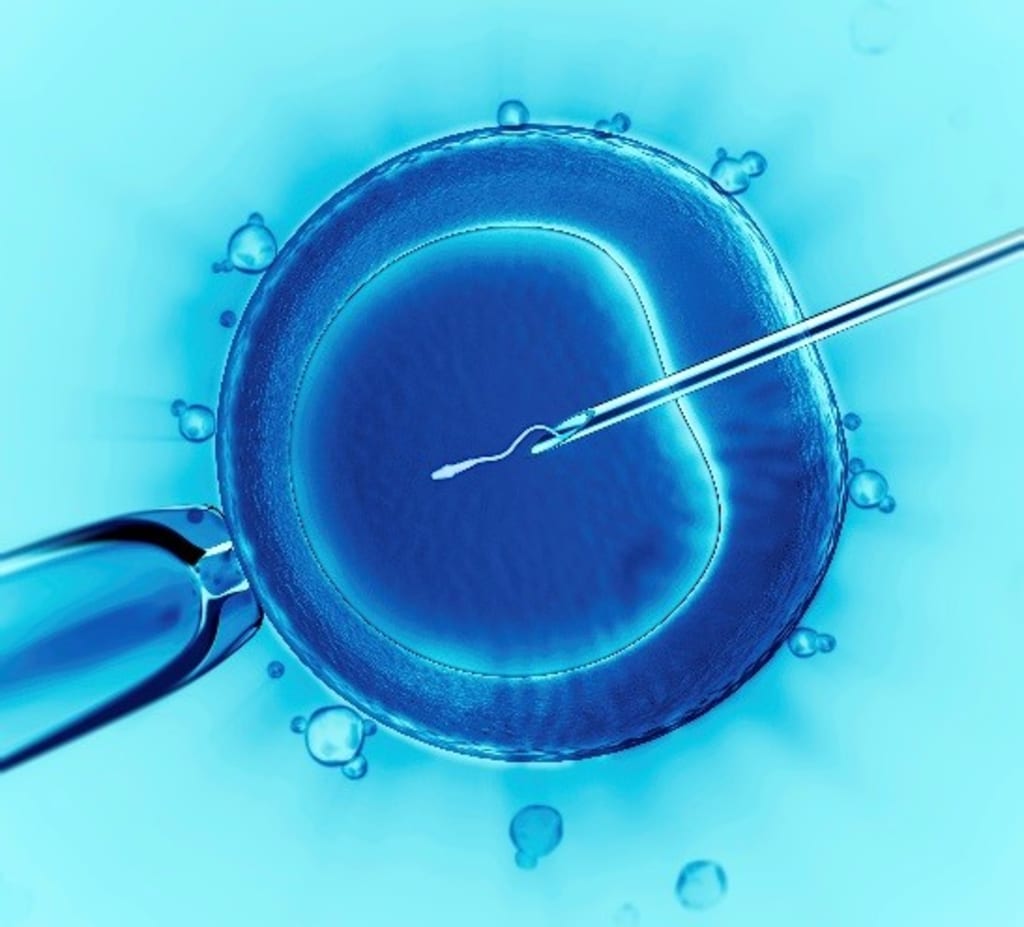
IVF still feels fake somehow. Like it shouldn’t be real. A person starting out as cells in a dish. Egg and sperm meeting under bright lights instead of in the dark. Some lab person deciding which one looks good by staring at it under a microscope. Years ago this would have been a weird story. Now it’s just life. Insurance covers some of it sometimes. People mention it over dinner. There are baby ads on the subway.
It messes with the whole timeline of wanting kids. Used to be luck and timing and who you were with. Now it’s money, schedules, and tracking every number like you’re running an experiment on yourself. Women in their late thirties and forties who used to get told it might be too late can instead start treating their bodies like machines that need adjusting. We talk about banking eggs like it’s a savings account. We say this cycle like farmers talk about seasons. The future doesn’t just arrive. You try to push it around with drugs and appointments.
Hope is different now. You tried and waited and hoped. Now it comes with percentages. Clinics say a thirty-eight-year-old has about a twenty-two percent chance per transfer with her own eggs. Higher with a donor. Those numbers stick in your head. You start thinking this cycle, next cycle, change the protocol. The hope is still there, and it still hurts, but now it has numbers and plans stuck to it.
I notice it most when I talk to other women my age. We sit with coffee and talk about testing the embryos for problems or just transferring them and risking more miscarriages, and nobody even blinks. A lot of us have already sat through those counseling meetings. The talk feels clinical and weirdly close at the same time. Like science fiction turned into regular conversation.
It also changes what a family can look like. Single women. People whose bodies or medical conditions would have made having a biological kid impossible before. They can do this now. Still costs a fortune. Still hard to get. Still wrecks you emotionally. But the fact that the option exists has shifted something.
The quietest part is what it does inside you. You start seeing your body as both miracle and machine. Watch your ovaries respond to the hormones like seedlings under grow lights. You learn the body can be measured and pushed hard, and it still fails more than it works. Rates are better than they used to be, but most cycles still don’t finish with a baby. That fact sits next to those strange photos of embryos dividing. The whole thing is extremely controlled and completely out of control at the same time. You can time the trigger shot to the exact hour, but you can’t make anything implant.
I think about that when I’m in the bathroom at six, measuring the oil. The whole ritual feels new and old at once. People have always tried stuff for fertility. Herbs. Prayers. Charms. Timing sex. What’s different is how far the technical side goes and the fact that we move the start of a life out of the body into a lab and then put it back. The lab isn’t as cold as it sounds. The people who work there talk about the embryos with real care. Call them “the little ones.” They worry about incubator temps the way parents worry about a room for a baby. Even this has a heartbeat.
What it really changes is chance versus trying. For most of history, having a kid just happened or didn’t. Forces outside your control. IVF doesn’t remove chance. Not even close. But it puts this long stretch of deliberate effort between wanting one and maybe getting one. You can decide to try. Decide how hard. Decide when to quit. That stretch costs a lot, exhausts you, and raises hard questions. For a lot of people it’s the only stretch they have.
I don’t know if this cycle will work. The numbers are still just numbers. But the whole thing has already changed the ground under me. Making a child sometimes feels like a project with steps and backup plans. Body feels stronger and more fragile at the same time. The future feels like something you can negotiate in ways that would have seemed impossible before.
Outside the clinic, the city just keeps going. Dogs. Phones. Coffee. Somewhere close by, cells that might become a person are dividing under lights. The science fiction is already here. Quiet. Expensive. Measured in blood tests and millimeters and the push of a needle. And it keeps changing, one cycle at a time, what it means to hope for a child at all.
I’ve tried three times; this will be my last. If I don’t get pregnant this time, then I will give up. Not because I want to, but because it’s not financially accessible to me yet. I’ve already gotten deep in debt trying four times. I desperately want another baby, so I hope that in the future, fertility treatments will become cheaper for low-income families. I hope the technology improves so it becomes more accurate and helps people get pregnant in the first or second cycle of trying. To the women out there who yearn for a baby, don’t give up hope.
About the Creator
Enjoyed the story? Support the Creator.
Subscribe for free to receive all their stories in your feed. You could also become a paid subscriber, letting them know you appreciate their work.
Comments
There are no comments for this story
Be the first to respond and start the conversation.